PHA says former Germantown Settlement properties will be reopened by 2029 — at great cost
PHA says its redevelopment plans will help the poorest Philadelphians. The high costs are attributed to federal regulations.
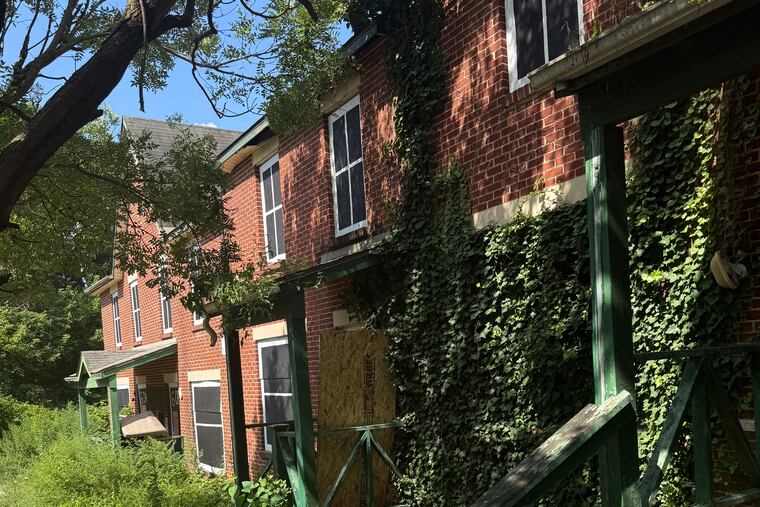
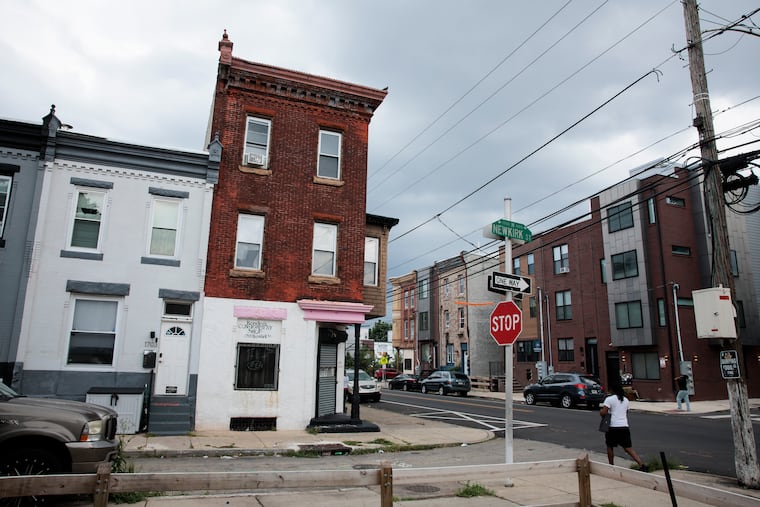
For over 15 years, dozens of properties once owned by disgraced nonprofit Germantown Settlement have sat derelict and mostly empty.
In 2024, the properties were given to the Philadelphia Housing Authority (PHA). This month the agency finally announced its plans: $84 million will be spent to gut and rehabilitate 113 units and build 40 apartments for seniors.
Most of the properties will be earmarked as rentals for very low-income Philadelphians at 30% of area median income, or roughly $32,000 for a family of three. The former Settlement buildings are a mix of rowhouses, duplexes, and small apartment buildings.
“I was shocked and dismayed by the conditions,” said Kelvin Jeremiah, CEO of PHA. “It’s going to cost a lot of money to get it back to habitable use.”
Some critics of the plans say the amount PHA plans to spend beggars belief. Spilt 153 ways, $84 million is almost $550,000 a property.
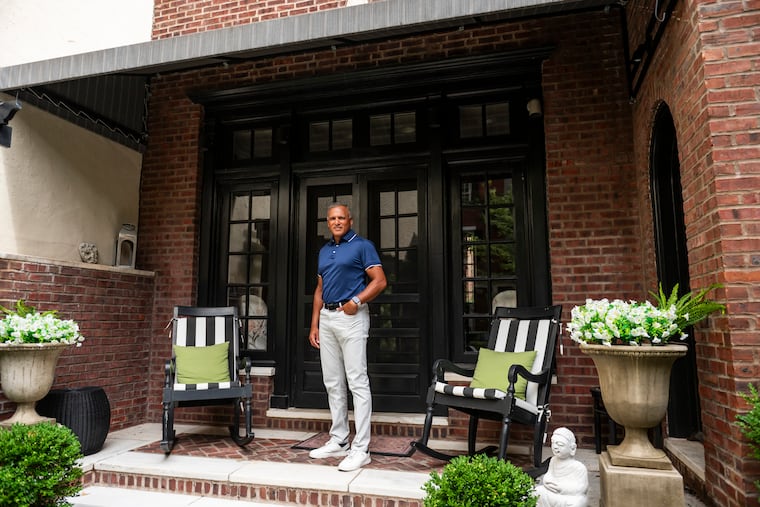
Longtime Northwest Philadelphia developer Ken Weinstein says his company could build new units at $284,000 a unit, and small developers who are active in the neighborhood can rehab houses for $152,000 apiece.
“We have limited government resources, and we have so many people that need subsidies to put a roof over their heads,” Weinstein said. “I don’t know why we wouldn’t stretch our dollars as far as possible.”
Weinstein emphasized that he thinks Jeremiah has been a transformative and innovative leader for PHA, but he doesn’t understand why the agency isn’t trying to get the properties back into productive use in a more cost-effective way.
He noted that PHA has sold scattered site single-family units it owns in the area to small developers for low-cost revitalization, with deed restrictions in place to keep them affordable in the long term.
Weinstein also points to PHA’s campaign to obtain struggling new apartment buildings as an example of its capacity for flexibility and cost sensitivity. Jeremiah has said the purchases are being made because they cut the agency’s costs in half in contrast to building new.
“I thought it was brilliant that PHA set out to buy existing apartment buildings at $200,000 a unit. That is a much better way to address the affordability issue in housing,” Weinstein said. “I don’t know why PHA would go out of their way to spend 2½-times that to rehab and newly construct in Germantown.”
The transfer of the former Germantown Settlement properties from the Redevelopment Authority to PHA was controversial in 2024. Some residents felt a community engagement campaign had been ignored. Many attendees had expressed a desire for more homeownership opportunities.
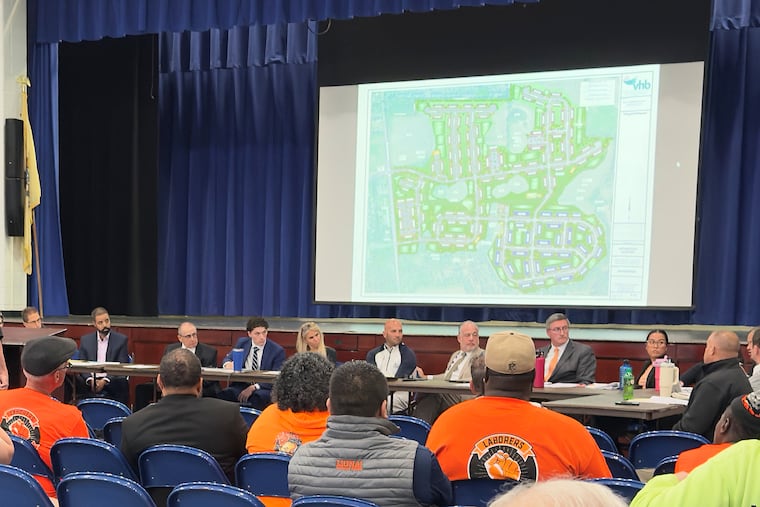
Jeremiah says that after a community meeting earlier this month, he is open to using 16 of the properties for affordable homeownership.
“We heard that they would like to see a more balanced community, and so we’re going to work through what that means,” Jeremiah said. “We are revisiting some of the suggestions that we heard from the community, and we are going to revise our plans.”
But Jeremiah says that sales to small developers for homeownership units, even with deed restrictions, would not help the poorest Philadelphians.
When PHA does sell scattered site homes for private redevelopment, the rebuilt houses primarily go to those making 60% of area median income or $64,000 for a family of three.
The lowest-income residents, who make half that, are the overwhelming majority of PHA’s tenants. They are not in a position to buy a home — even a subsidized and permanently affordable one.
“A mom and pop [developer] would be hard-pressed to maintain permanent affordability,” Jeremiah said.
Keeping the former Germantown Settlement properties as PHA-run rentals will guarantee a repository of affordable units no matter how this corner of Northwest Philadelphia evolves, he said.
“Some of our assets are in communities that are rapidly becoming unaffordable,” Jeremiah said. “Our assets in those communities ensure we are maintaining some level of affordability.”
Jeremiah himself has often criticized how much it costs PHA to build or gut rehabilitate projects, but he notes that the agency is restricted by a variety of federal regulations.
“The construction costs are untenable for us, but it’s driven by the regulatory requirements that we must adhere to,” he said. “I have no flexibility.”
Jeremiah estimates that the rehabilitation work will begin in 2027, after PHA hopefully secures Low Income Housing Tax Credits this year. Once begun, he expects the project to take 15 months, so at earliest the homes will be ready for habitation again in 2028.
Many of the former Germantown Settlement properties have fallen into ruin over the last 10 years, with copper wiring stripped out and mold or insect infestations harrowing their interiors.
The city demolished the Blakemore Apartments because of their poor condition. Its site is where PHA will build a new 40-unit building for seniors. (PHA received 121 of 140 of the expired nonprofit’s units, with the rest going to smaller developers.)
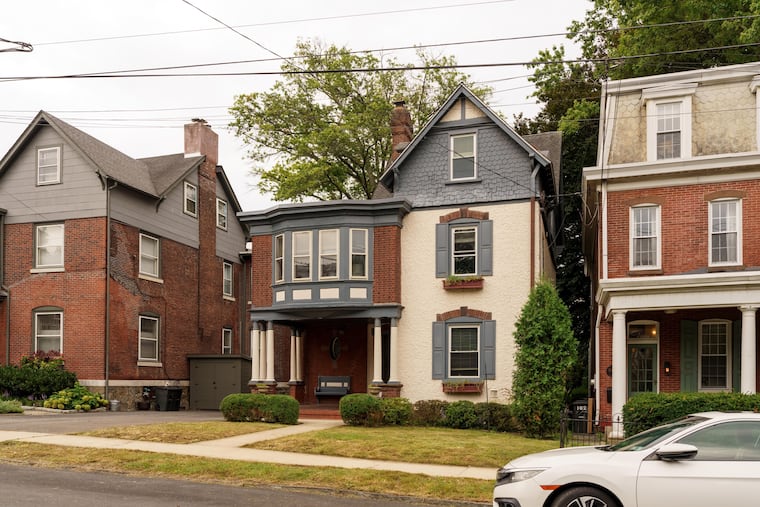
The former Germantown Settlement properties are heavily concentrated in two sections of East Germantown, creating pockets of dense vacancy near the intersection of Church Lane and Lena Street and on the 40th blocks of Wister and Garfield Streets.
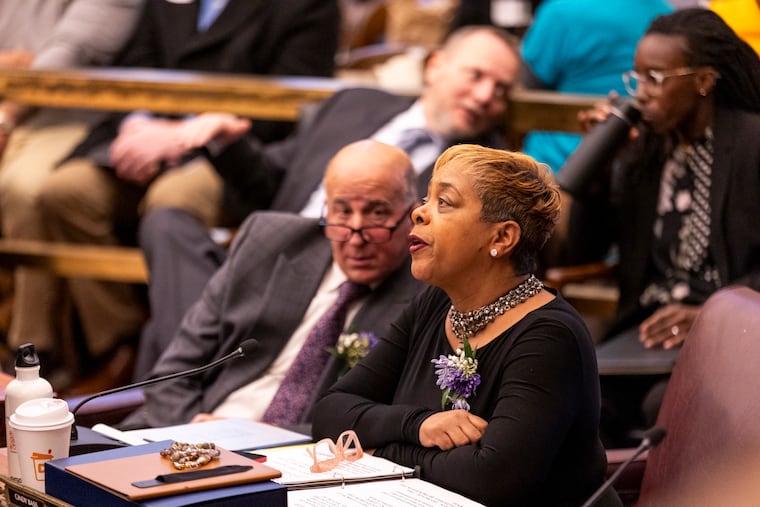
For Councilmember Cindy Bass, who represents the neighborhood, PHA is the right entity to redevelop these long troubled buildings.
“It’s very important to preserve affordable housing, and that’s what we’re doing here,” Bass said. “This is not for profit. This is for people.”