Post Brothers move forward on Piazza Alta in a sign that the construction slump may be easing
The Post Brothers’ push to add more apartments to Northern Liberties, which has seen an extraordinary building boom, suggests a thaw in the construction freeze.
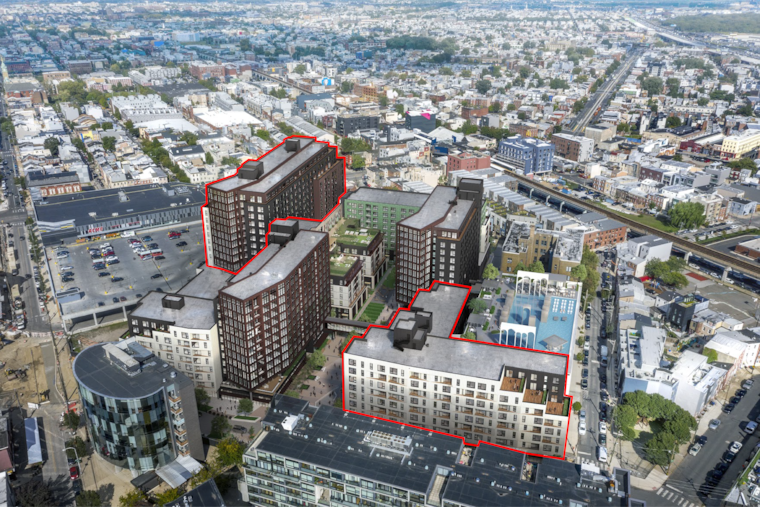
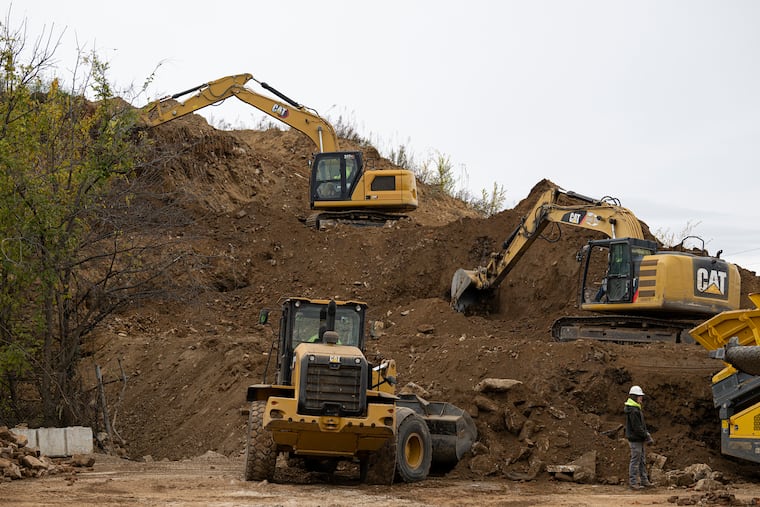
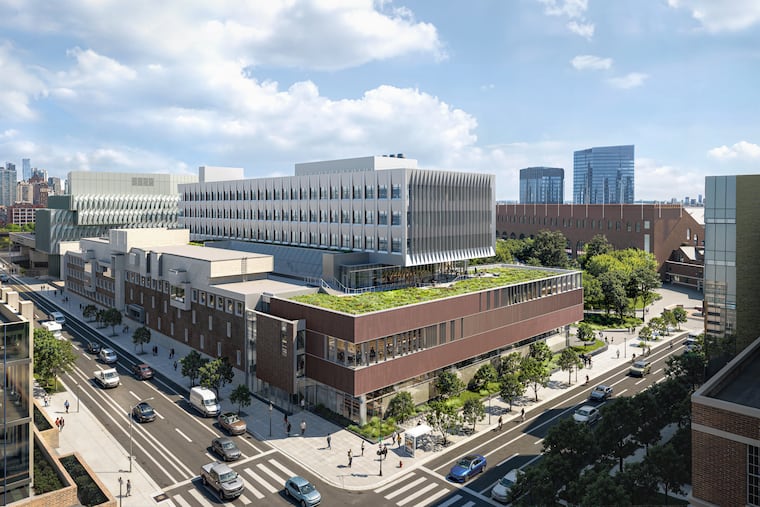
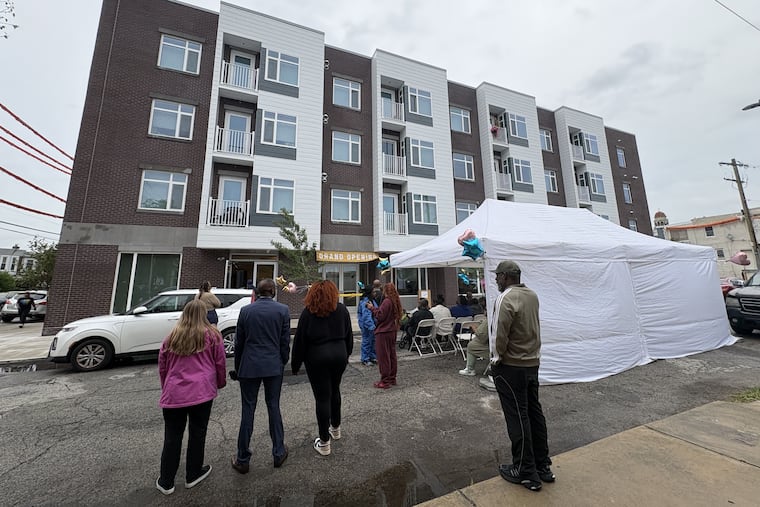
The Post Brothers are embarking on the second part of their gigantic Piazza Alta project in Northern Liberties, announcing Monday that they secured a $170 million construction loan for the 431-unit expansion of the development.
The first phase of the project featured 695 units and was completed in 2023. The developers decided to wait on continuing to build as interest rates soared and an abundance of apartments hit the market at the same time — especially around Northern Liberties and Fishtown.
But in the years since, housing construction has slowed, and the apartments built during the building boom have seen their vacancy rates falling. That’s why the Post Brothers are expanding Piazza Alta now, with a construction timeline for completion by the end of 2027.
These 431 units were permitted when Philadelphia’s 10-year property tax abatement was still in full effect. If construction doesn’t start soon, that tax break could be halved.
“The tax abatement is a factor, but it’s not the biggest factor. The biggest factor is just that the time is right,” said Michael Pestronk, CEO of the Post Brothers, which he runs with his brother, Matthew. “Institutional capital was not willing to invest in Philadelphia for the last year or two because there had been so many apartment deliveries. Now [they are] getting over those fears.”
The $170 million loan is from San Antonio-based Affinius Capital LLC. The units will be split across two buildings, one eight stories and the other 16 stories. The towers’ podiums, featuring ground-floor commercial space, were built during the first phase of Piazza Alta’s construction.
Two parking garages are already on offer for residents of the new project and the original Piazza, and no additional spaces will be built in this phase. Pestronk says Phase One is “pretty much full,” with occupancy over 95%.
The second phase will include 129 studio apartments, 229 one-bedrooms, 64 two-bedrooms, and nine three-bedrooms.
A range of types of apartments
Piazza Alta and the Post Brothers’ equally monumental project at Broad and Washington, on the border between Center City and South Philadelphia, are unusual in that they offer apartments that range from studios to three bedrooms.
Few multifamily developers in Philadelphia offer many larger, multibedroom units beyond areas like University City that cater to student roommates. Three-bedroom units are extremely rare in market-rate buildings.
Pestronk says that the second phase of Piazza Alta includes some three-bedroom units, but contrary to his predictions, those larger units have been slower to lease. The demand for studios, which he expected to slow as the large millennial generation ages, has remained high.
“A year and a half ago, I was definitely very worried about the small units because that’s where all the competition among the new supply is,” Pestronk said. “Then there’s very little competition for the big units, which should do well. And really, the opposite on both has manifested over the last year.”
Pestronk said he partly underestimated the number of Generation Z renters and millennials who are staying in smaller units longer. But he said he also may have overestimated the number of upper-income renters willing to stay in the city longer after they have children.
While some of the older inner-ring suburbs, especially in Montgomery County, are still largely unaffordable, more families than the developer expected are moving to South Jersey or to exurbs in Chester County and beyond. He thinks that could also be hurting the high-end condo market, which has struggled in Philadelphia since the pandemic.
“They’re staying in the city in bigger [apartments] less than we expected,” Pestronk said. “Part of that is just the desirability of the city for raising kids, the kind of kid amenities and certainly the schools, is affecting family formation in the city.”
Overall, the apartment market is doing well
Still, the apartment rental market as a whole is doing well, Pestronk says, as the apartment glut burns off. In recent months several projects that have sat on the drawing board for years have announced that construction will begin by year’s end.
In some cases, these developments also need to begin building to make use of the full 10-year property tax abatement that was halved in strength at the close of 2021. The decline in interest rates doesn’t hurt either.
“Even though there’s not really that much net job growth in our city, there’s still a backlog of demand for new housing,” Pestronk said, “and we’re still seeing the problems with the affordability of single-family homes in the suburbs.”