Water costs are rising faster than inflation — and sending bills soaring
Between 1998 and 2020, the average cost of water, sewer and trash collection services increased more than twice as much as the overall U.S. consumer price index, according to government data.
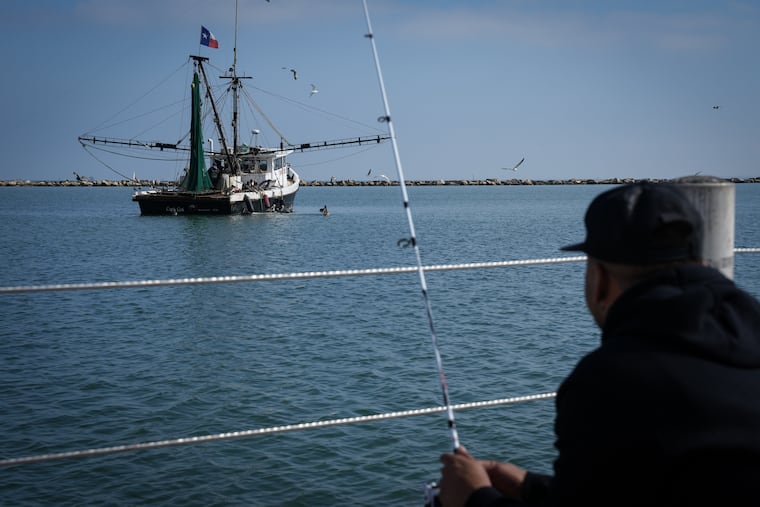
When the reservoirs that provide water to Corpus Christi, Texas, dropped to just a tenth of their full capacity, officials knew they needed to take drastic action. Forecasts projected the city, which had entered its fourth year of drought, could run out of water in a matter of months.
So the city council approved nearly half a billion dollars to seek out new water sources, including paying a contractor almost 40% more to speed up construction of a nearly $500 million groundwater project for which it didn’t yet have the necessary permits.
To fund this 11th-hour spending, residents will likely see their water rates double over the next few years, according to city manager Peter Zanoni — putting Corpus Christi among countless American communities whose water costs are on the rise as the planet warms.
As utilities cope with weather extremes by scrambling to repair their infrastructure and tapping new water sources, the cost is beginning to show up in residents’ bills. Between 1998 and 2020, the average cost of water, sewer, and trash collection services increased more than twice as much as the overall U.S. consumer price index, according to data from the Bureau of Labor Statistics.
“This drought has been punishingly severe,” Zanoni said. “And it led us to this position where … we have no choice.”
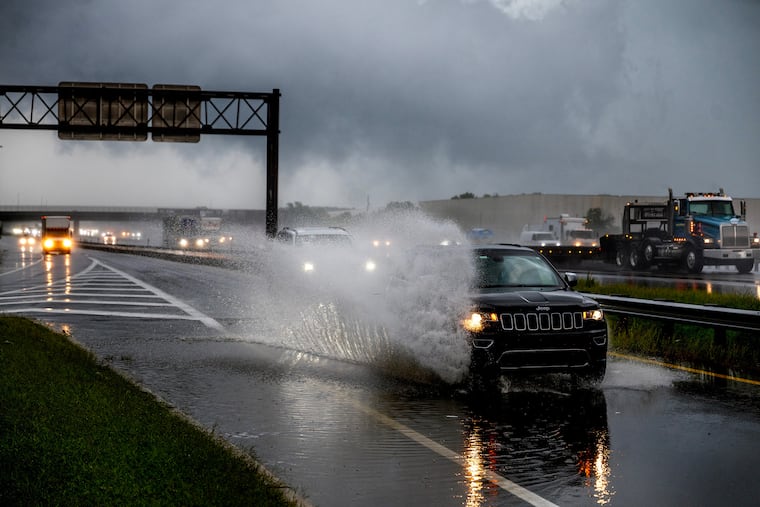
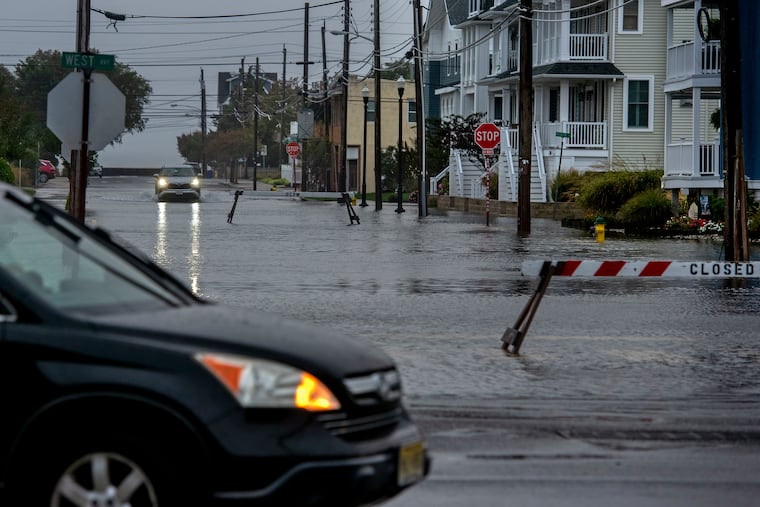
Across the country, damages driven by climate change have brought once-reliable utilities to their knees. Flooding from supercharged storms has ravaged the aging pipes that deliver water to cities from Seattle to Asheville, N.C. Longer and more intense droughts have triggered restrictions on water use from Florida to Colorado. Within 50 years, a 2019 Forest Service study found, the nation’s demand for water could periodically outstrip supply in nearly half of U.S. freshwater basins.
Water has long been one of the most affordable utility bills for American households, said Megan Bondar, a water utility analyst at the market research firm Bluefield Research. Most communities get their water from relatively close rivers, aquifers, and reservoirs, so the cost is not subject to global forces, such as wars or supply chain issues, that can send gas and food prices soaring. Water use is also fairly predictable, making it easier for utilities to plan investments and implement rate increases accordingly.
But climate change is increasingly battering utilities with weather — and costs — they did not plan for.
Extreme weather “is one of the most important emerging cost drivers we’re seeing,” Bondar said. “And it’s going to increase in importance as climate change only gets worse.”
Climate costs trickling to water prices
When Hurricane Helene tore through the mountains of western North Carolina in 2024, it caused nearly $3.7 billion worth of damage to the region’s water systems, according to a state needs assessment. In Asheville, some 3,000 feet of pipes were washed away, severing the city’s distribution system and cutting off water access to more than 100,000 people. At the same time, landslides washed huge amounts of sediment into local reservoirs, making the water too muddy to pass through a filtration system. Even with crews working around the clock, it took 53 days to restore drinkable tap water to the entire city.
Asheville Water was able to pay for repairs with a $10 million zero-interest loan from the Environmental Protection Agency, according to spokesman Clay Chandler. But now the utility needs $250 million — five times its annual operating revenue — to protect transmission lines and upgrade treatment systems.
“We can’t raise rates to the point where people can’t pay for their water service,” Chandler said. “But we need to give our system a fighting chance against the next extreme weather event.”
The utility is applying for a grant from the Federal Emergency Management Agency, he added. Yet federal funding for water infrastructure has declined dramatically over the last 50 years. According to the American Society of Civil Engineers, the U.S. government used to supply well over half of all capital investment in the water sector; today, that figure is below 10%.
Without federal support, utilities must raise rates to pay for improvements — a move that typically requires approval from local elected officials who may be reluctant to increase costs for their constituents.
A 2023 EPA report estimated that it would take $625 billion of investment over the next 20 years to meet the nation’s need for safe drinking water.
Delaying those upgrades can make utilities more vulnerable to hurricanes, heat waves, and other forms of extreme weather, said Renee Obringer, a civil engineer at Pennsylvania State University who researches how climate change affects critical infrastructure.
“The problem with climate change is that it’s just going to keep getting worse, and it’s going to exacerbate all these other issues,” she said.
Why water rates are outpacing inflation
In a recent analysis of 50 of the nation’s largest municipally owned water utilities, Bondar found that average water and sewage rates increased 5.1% between 2024 and 2025 — twice the pace of inflation.
Extreme weather is not the only contributor to higher water costs, Bondar said. Upgrading the nation’s aging infrastructure would require increased investment even if climate change wasn’t complicating matters. Overseas conflicts, such as Russia’s invasion of Ukraine and the ongoing war with Iran, can boost prices for the fuel needed to power water facilities and the chemicals required for treatment.
Yet her analysis found that many utilities are starting to cite climate impacts as justification for raising rates.
Amid a decades-long megadrought that has diminished aquifers and caused a catastrophic decline in river flows, residents of Southern California have seen rate increases of up to 17% over the last two years. Washington state’s King County, which includes Seattle, is considering a 12.75% sewage rate hike to deal with more severe rainstorms that are increasingly causing untreated waste to spill into local water bodies.
Several communities in the beleaguered Colorado River basin — where a record-low snowpack is exacerbating a long-brewing water crisis — have also imposed drought surcharges to encourage residents to conserve. For example, Denver announced last month that heavier water users must now pay an extra $1.10 to $2.20 for every 1,000 gallons they consume.
Higher rates and additional fees can help pay for wastewater re-use initiatives, desalinization plants and other conservation programs, Obringer said. But they can also cause economic hardship for those least able to afford it.
She pointed to a 2023 study in the journal Environmental Research Letters, which found that drought surcharges in Santa Cruz, Calif., caused water bills to exceed 4% of poor households’ annual income. And because lower-income people already tend to use the bare minimum amount of water — they may not have large lawns or swimming pools to fill, for example — they can’t curb usage to cope with rate hikes, Obringer said.
“No one wants to pay more for water,” said Zanoni, the Corpus Christi city manager. He noted that the city council last year rejected a planned project to turn seawater into drinking water over its $1.2 billion price tag.
But the relatively affordable reservoirs that currently provide most of the city’s water are no longer sufficient, he said — especially not with a booming industrial sector guzzling much of its supply. Now the council is considering a new, privately funded desalinization project, as well as drilling for groundwater and developing a new wastewater reuse project. In the meantime, residents are barred from watering their lawns and can only wash their cars on designated days of the week.
“We have to seriously invest in a more diverse, robust system,” Zanoni said. “More and more people are talking about how this may not just be the worst drought. But this could be the new normal.”