Amtrak can’t fully run its new fleet of next-gen trains in 2026 due to facility upgrade delays
Some of Amtrak’s new next-gen trains will sit idle in 2026 as facility upgrades are completed to maintain them.
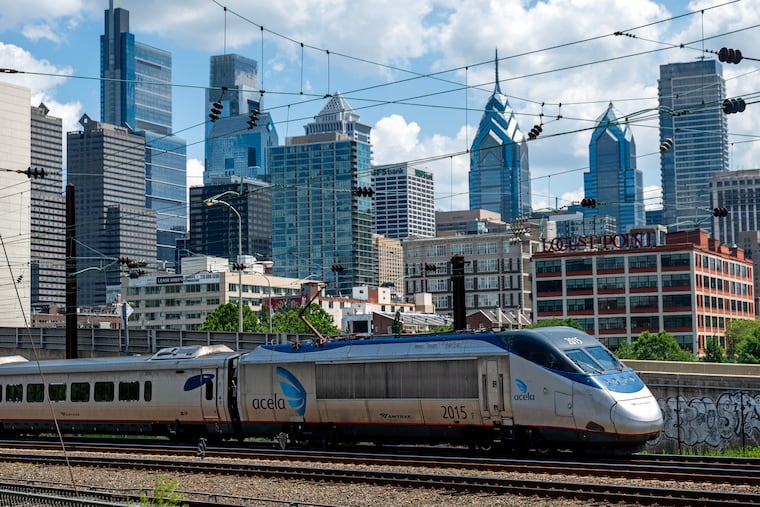
Some of Amtrak’s fleet of next-generation Acela and Airo trains will likely sit idle in 2026 as the national railroad company faces delays in upgrading maintenance facilities.
Amtrak is behind schedule on completing the necessary facilities upgrades to maintain its newest fleet of trains, inspectors told Amtrak in a new report. Delays in next-gen fleet rollouts, of which there have been several, cost the company millions in lost revenue.
Early missteps in planning, like starting its fleet upgrade efforts in 2010 but its facilities upgrades in 2016, led to a “schedule misalignment,” inspectors said in the report.
Amtrak is in the process of acquiring three fleets of trains from manufacturers — NextGen Acela, Airo, and Long Distance — to the tune of $8 billion. The national railroad corporation rolled out a handful of NextGen Acela trains in August. Airo trains are scheduled to roll out in 2026 and Long Distance trains in the early 2030s, according to Amtrak.
In a recent review of the NextGen Acela trains, The Inquirer lauded the train for its smoother, faster ride, comfortable seats, and above all, its cleanliness, but lamented its infrequency and cost as the older Acela trains on Keystone and Northeast Regional services still carry the bulk of trips for a cheaper ticket.
NextGen Acela and Airo trains offer faster travel with speeds of up to 160 mph and 125 mph, respectively, and modernized cabins featuring upgraded seats, improved Wi-Fi, and expanded dining options.
The latest report from the Amtrak Office of Inspector General details that under its current facility construction schedule, Amtrak will only be able to operate the first 24 out of 28 NextGen Acela trains and the first 12 out of the planned 83 Airo trains hitting the tracks in 2026.
Facilities in Philadelphia; Seattle; Boston; New York; Washington, D.C.; and Rensselaer, N.Y., are being upgraded to maintain this new fleet, which is the most substantial upgrade since Amtrak introduced the Acela in 2000. Amtrak broke ground on Philadelphia’s new $462 million facility in October 2024.
While the company began considering plans to replace its aging trains 15 years ago, Amtrak didn’t start addressing facility upgrades until 2016 for NextGen Acela and 2021 for Airo. Additionally, Amtrak took a targeted individual site approach to facility planning instead of an “overarching” one, according to inspectors.
Amtrak approved a new strategic fleet and facilities plan to align both efforts last month. However, inspectors found the company failed to appropriately define the scope of the six years of work that remains.
In the report, a senior Amtrak official described the current system as “building a house without ensuring the garage fits the vehicles.”
Amtrak officials agreed to implement a new management framework to streamline facility upgrade efforts by the end of March 2026.