Philadelphia gets $10 million to keep the Chinatown Stitch project moving forward after Trump cut funds
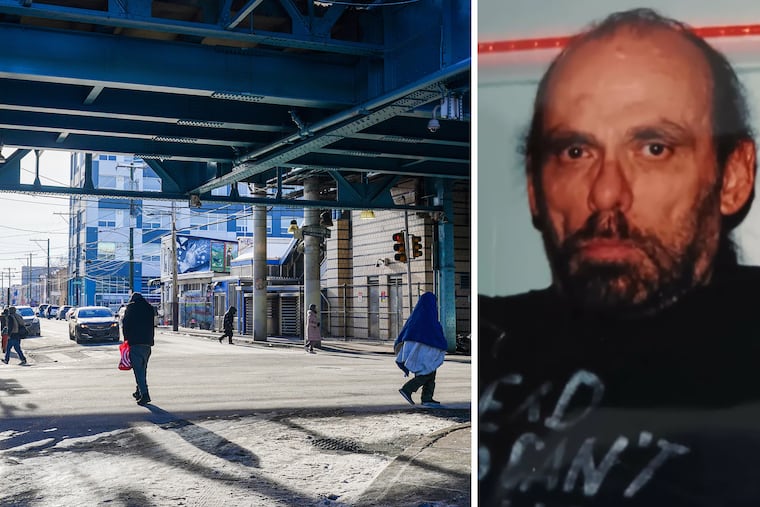
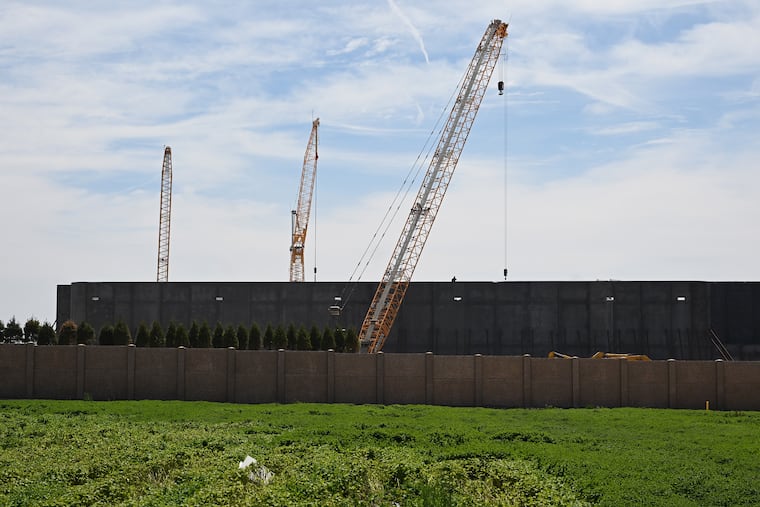
Construction of the Vine Street Expressway divided Philadelphia's Chinatown and has subjected the community to air and noise pollution.
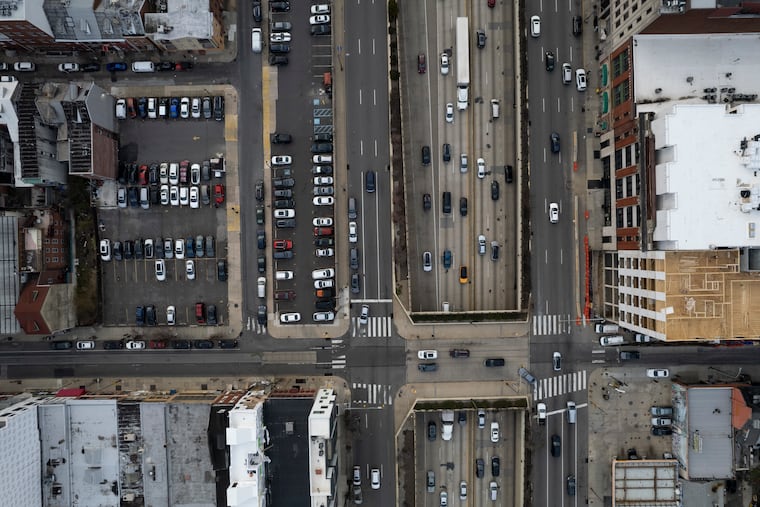
Regional planners on Thursday shifted $10 million in highway money to advance the Chinatown Stitch project to cap the Vine Street Expressway, which has been in limbo since the Trump administration pulled millions in promised federal construction funding.
Philadelphia will be able to pay for the I-676 cap’s final design after the Delaware Valley Regional Planning Commission unanimously approved the move.
“We’re thrilled,” said Christopher Puchalsky, director of policy and strategic initiatives in the city’s office of transportation and infrastructure.
“The counties had some good questions over the last few months, and it’s very satisfying they recognize the benefits of this … to help address some of the local impacts that this expressway has had on the community,” he said.
The city and DVRPC — which sets regional priorities for spending federal and state transportation infrastructure dollars — were facing an unprecedented situation.
The Chinatown Stitch project in 2024 was awarded a $159 million grant from a federal program to alleviate historic harms to communities from highway and freeway construction.
But congressional Republicans pushed through the massive “big beautiful” domestic policy and spending bill last July that killed most of the Neighborhood Access and Equity grant program in the Department of Transportation.
Already, $8.4 million of the city’s grant had been spent on preliminary engineering and design work. The rest was rescinded.
PennDot requested approval to tap $10 million in federal funds for improvements to national interstates and highways to help Philadelphia complete the design. The city has to come up with a $2.5 million local match.
It wasn’t just Philadelphia or the Chinatown Stitch project that got nixed. That legislation rescinded $3.2 billion that had been awarded but not yet spent through the Biden-era program, 55 projects across the nation aimed at mitigating the impact of highway projects on marginalized communities.
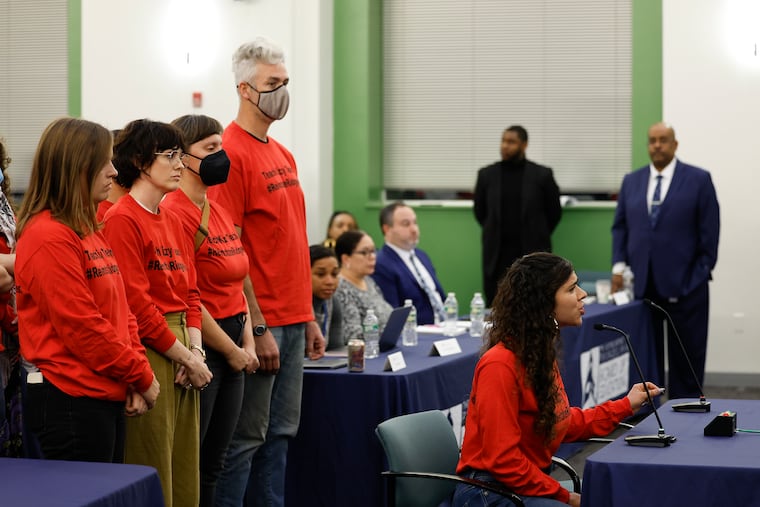
Board members did not discuss the proposal Thursday, but they had been wrestling with the idea for a couple of months.
“The benefit of this expressway has always been regional, and the responsibility to repair the harm of dividing the community should also be regional,” Montgomery County Commissioner Neil Makhija said during a Feb. 26 board meeting.
The expressway “carries our entire region’s workforce,” he said.
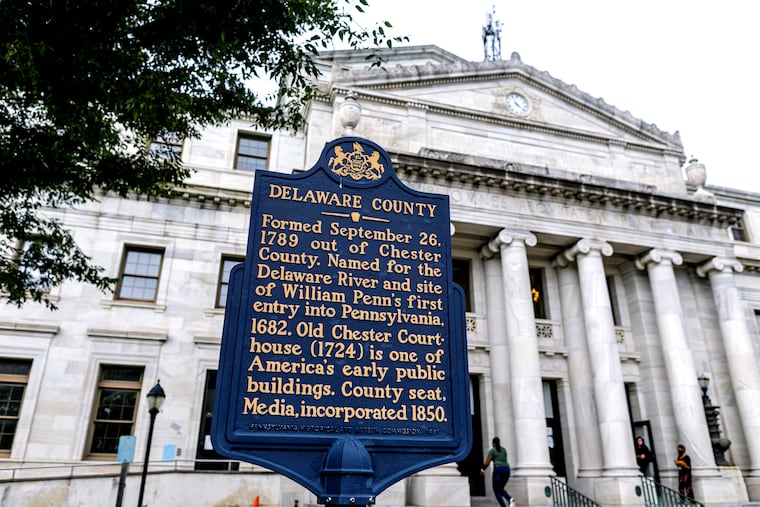
Chinatown “has regional significance for all of us,” Delaware County Councilmember Elaine Paul Schaefer, also a member of the board, said at the February meeting.
With a completed final design, the project will be “shovel ready, so that when construction funding comes, we can hit the ground running,” Puchalsky said Thursday. He said the work is projected to take two years.
The city anticipates getting federal environmental approval this spring, based on review of already completed studies and plans, he said.
Puchalsky said the final design preparation should begin this summer or fall.
Meanwhile, the search is on for sources of construction funding. City, county, and state officials are hoping that, for part of it, Congress restores last year’s funding cuts in a new transportation bill.