SEPTA and Amtrak are slowing down trains due to the heat
SEPTA and Amtrak are slowing trains due to extreme heat, with Amtrak also canceling multiple trains on Wednesday and Thursday.
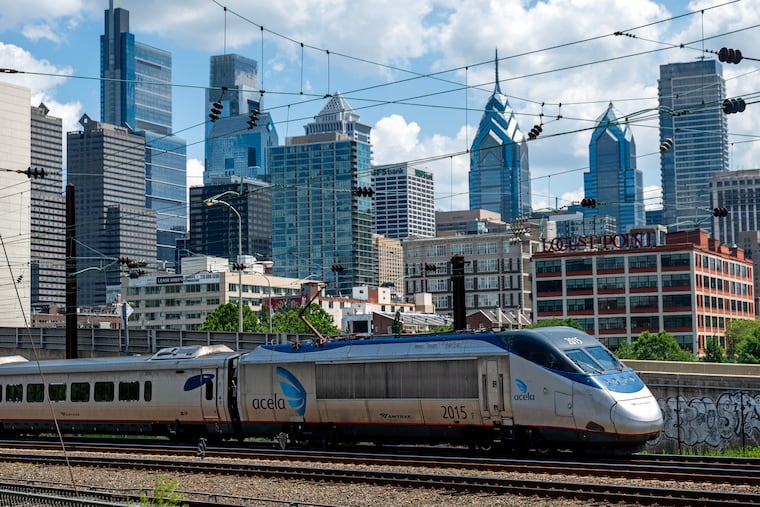
The Philadelphia region is under an extreme heat warning Wednesday, leading transit agencies to slow down trains to ensure safe travel amid a high of 98 degrees.
Amtrak and SEPTA were slowing trains down by 5 to 10 mph, and Amtrak was canceling some Acela and Northeast Regional train trips due to the heat, officials said.
Amtrak plans to reduce train speeds through Friday, in addition to canceling at least a dozen trains each day Wednesday and Thursday.
» READ MORE: Why your trains run slower in heat
“While these measures are intended to maintain safe and reliable operations, customers traveling during these hours should continue to monitor their train status for the latest updates,” an Amtrak spokesperson said.
SEPTA has not canceled trips, but it was operating trains at a slower speed, which could lead to delays of up to 15 minutes on Regional Rail and trolleys, SEPTA spokesperson Andrew Busch said. Subway lines were also running slower but were less affected since they are not exposed to direct sunlight as often as other services.
“Bringing speeds 5 to 10 mph slower from their top speed is not always very noticeable to customers, but it can cause some minor delays,” Busch said. “Extreme heat like this makes the tracks more susceptible to damage, and by slowing down the speeds you can help prevent that.”
In extreme heat, rails can begin to warp and eventually crack, creating dangerous circumstances. The wires that hang overhead to power the trains also begin to “sag” in extreme heat, Busch said. The heat also affects electrical equipment like signals and switches, similar to how many across the region can experience power outages in extreme heat.
When temperatures reach 88 degrees, all of these potential safety hazards intensify, Busch said. That is the threshold for when transit agencies begin monitoring their rail systems to see if adjustments are needed.
These safety measures are expected into Thursday and Friday as temperatures are expected to reach 96 and 92 degrees, respectively, according to the National Weather Service. Philadelphia has hit the 100-degree mark three times in 2026, just two shy of the record number for most 100-degree days, according to the weather service.
While the city has not declared a heat emergency, the Philadelphia Office of Homeless Services declared a “code red,” meaning additional outreach was being done to connect those in need to services.