Delaware commuters worry how they’ll get to Philly if SEPTA’s Wilmington line is cut
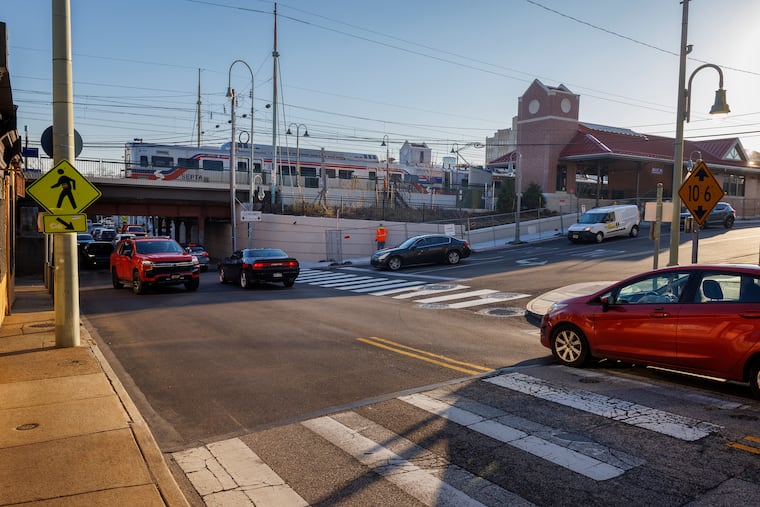
Delaware's concerns over looming cuts to SEPTA's Wilmington/Newark Regional Rail line show the broad regional effects of the transit agency's fiscal crisis.

Delaware commuters and public officials worry that they are about to become collateral damage in SEPTA’s funding crisis.
They’re working to preserve the Wilmington/Newark Regional Rail line, a critical interstate connection.
Days before 20% service cutbacks are locked in, Del. Gov. Matt Meyer, legislators, and the Wilmington City Council are lobbying Pennsylvania lawmakers and Gov. Josh Shapiro to solve an impasse over transit funding.
Delaware’s Department of Transportation is looking at possible replacements for lost service, including using state transit buses to take commuters to 30th Street Station in Philadelphia.
“Cutting service that stops in Delaware would undercut the economies and values of both of our states,“ Meyer, a Democrat, wrote in a recent letter to the SEPTA board pledging help.
Regional Rail reductions are set to begin Sept. 2 as part of an across-the-board retrenchment. Wilmington/Newark trains, carrying an average of about 4,300 weekday passengers, would run less frequently, leaving large gaps during midday hours, evenings, and weekends.
Other SEPTA commuter lines face the same fate. The transit agency says cuts will begin Aug. 24 if it does not receive millions in new state money by Thursday.
» READ MORE: Everything we know about how SEPTA could change on Aug. 24
Late last month, the Wilmington City Council addressed a letter to House and Senate leadership in Pennsylvania from both parties stressing the importance of the rail line to the state.
This week, Council member Coby J. Owens received a reply from House Minority Leader Jesse Topper (R., Bedford), who agreed on the benefits of mass transit but noted the “unsustainable model” of SEPTA operations.
“I must ask: Will the City of Wilmington or State of Delaware consider increasing your level of funding for SEPTA, to ensure the continued viability of the system including the Wilmington/Newark line? If not, why?” Topper said.
Owens can’t commit money himself, of course. He had been hearing from worried constituents who read or saw reports of pending cutbacks.
“I was blindsided by the fact that SEPTA has such deep financial issues because we’re not in those conversations,” Owens said.
“At the end of the day, we can all agree with the importance of investing in mass transit,” he said.
Furthermore, Wilmington/Newark is one of five Regional Rail lines that would be eliminated in January if SEPTA’s shortfall continues. The others: Paoli-Thorndale, Trenton, Chestnut Hill West, and Cynwyd.
» READ MORE: Close the Paoli/Thorndale line? Many say SEPTA is using the threat as leverage.
Those lines operate on Amtrak-owned tracks, and SEPTA says it could save $65 million in lease payments annually.
“From the outside, we’re hoping this gets resolved,” said John Sisson, CEO of Delaware Transit Corp., which runs the DART First State bus service.
“In the background, we’re developing plans for what happens if it doesn’t,” he said. Wilmington/Newark carries as many as 60,000 riders a month.
DART has been surveying riders at the four Regional Rail stations in the state to gauge interest in bus service to and from Philadelphia, while considering possible costs and stops in the city, Sisson said.
Delaware owns four coaches that run on the Wilmington line and could look to pay another railroad to operate limited service — but there are practical obstacles, he said.
SEPTA has a $213 million operating deficit, driven, it says, by underfunding and rising costs. For months, transit supporters have raised the alarm, and Democratic lawmakers have been increasing pressure on Senate Republicans to act.
Pennsylvania’s state budget is more than a month overdue. Transit funding is one of the issues holding up a deal among Senate Republicans, House Democrats, and Shapiro. Senate Republicans hold the balance of power.
Senate Majority Leader Joe Pittman (R., Indiana) and most Senate GOP members have resisted alloting more to SEPTA, saying they see the transit authority as mismanaged and needing to fight fare evasion and to improve public safety.
SEPTA receives $1 billion from the state annually, 67% of its operating budget.