Federal regulators want information from SEPTA on electric bus fire
The Trump administration has been skeptical of grants and tax incentives for green energy projects.
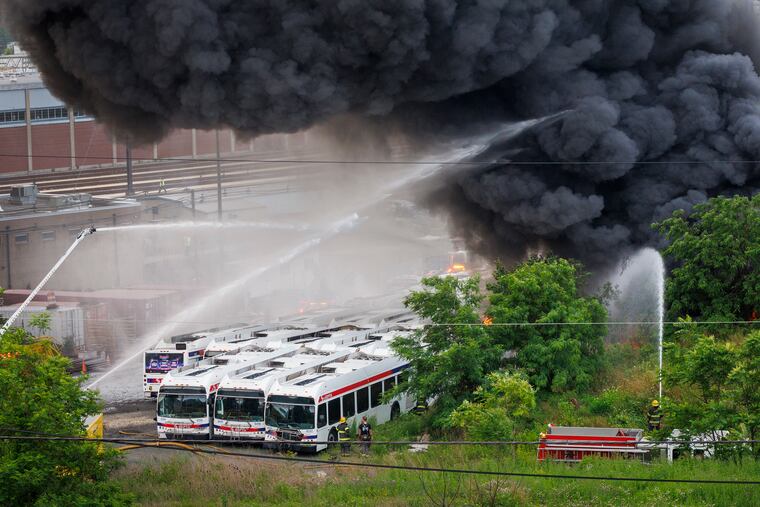
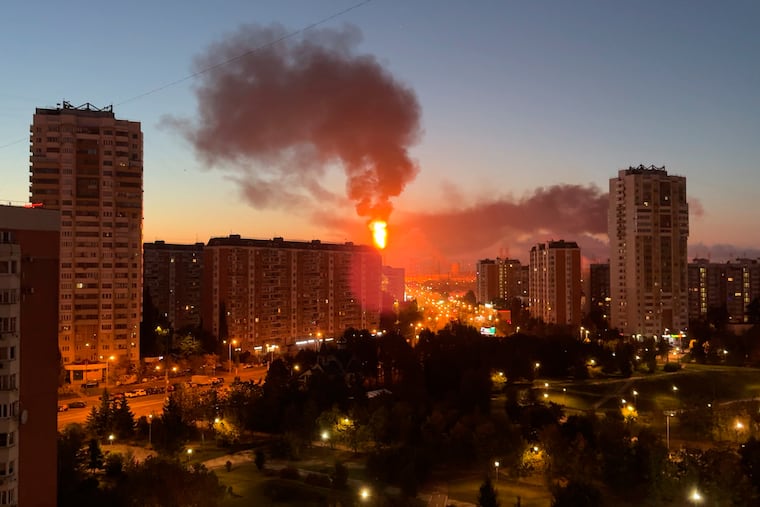
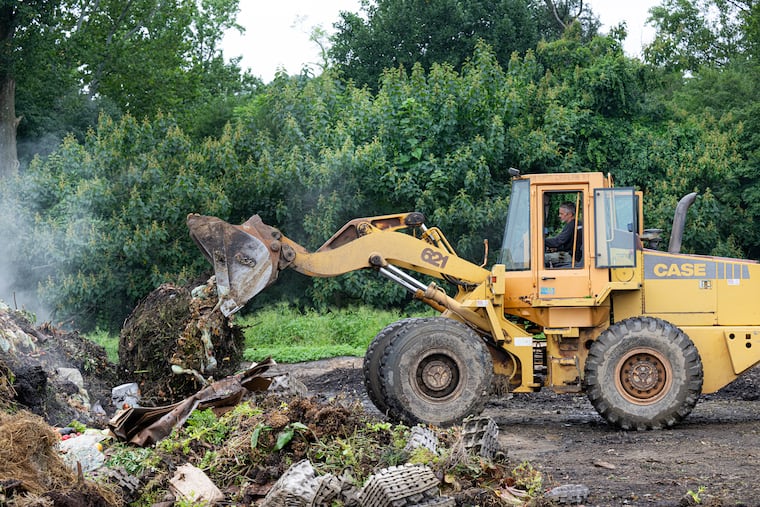
The Federal Transit Administration is conducting a safety inquiry on storage of decommissioned Proterra electric transit buses and has asked SEPTA for information about a June fire at its Roberts bus yard.
Fire officials traced the origin of the 3-alarm blaze to the lithium-ion battery in a mothballed Proterra bus.
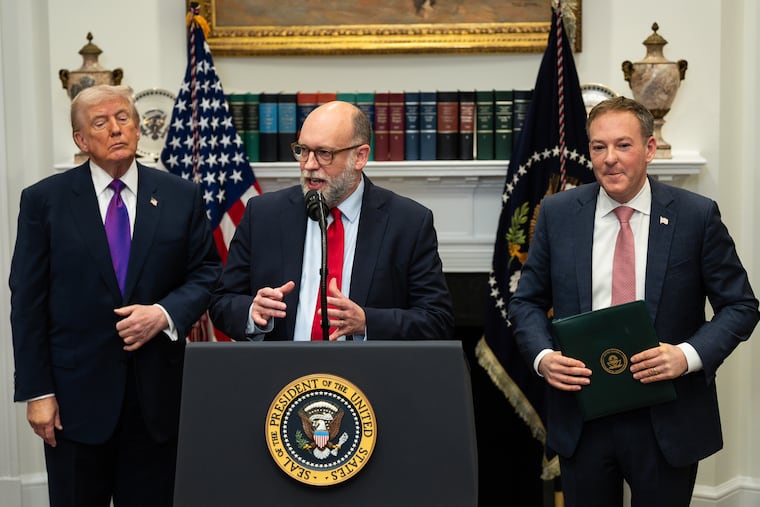
“How secure are these Proterra assets once retired and who holds proactive accountability when a ‘green’ initiative becomes a public safety hazard?” FTA Administrator Marc Molinaro asked in a Wednesday letter to SEPTA.
Proterra buses have been involved in at least five fires between 2015 and 2025, FTA said, including the June 5 blaze at SEPTA’s storage yard in the Tioga-Nicetown section.
Regulators want details on SEPTA’s procedures for storage and handling of buses with lithium-ion batteries — and any other safety measures it is taking.
”Whatever the FTA needs to have to be informed on this, we will certainly provide them,“ SEPTA General Manager Scott A. Sauer said.
All told, 40 decommissioned SEPTA buses were damaged, including 16 Proterra electric battery-powered buses.
A battery power pack in a sidelined electric bus ignited inside SEPTA’s Southern Bus Depot in November 2022, occupying Philadelphia fire crews for hours and halting the transit agency’s efforts to build a green fleet.
SEPTA bought 25 battery-electric buses from California-based Proterra in 2016, but all have been parked since 2020 after discovery of cracks in the vehicles’ chassis, lackluster performance, and battery life that is too short for city bus routes. They cost $24 million.
Performance issues and fires caused a number of transit agencies to stop using Proterra buses, slowing efforts to build electric fleets.
Proterra filed for Chapter 11 bankruptcy protection in August 2023 as it was facing lawsuits from some transit agencies over problems with zero-emission buses they had ordered from the company.
Sauer said SEPTA currently is working with a contractor to remove the buses from its property and dispose of the hazardous material in the batteries.
At the time of the storage-yard fire, the batteries were aboard the electric buses but had been disconnected, Sauer said. He added that was Proterra’s safety guidance.
SEPTA had been keeping its battery-electric buses as potential evidence in its litigation against Proterra. Officials were negotiating to get money back from the company when it entered bankruptcy. SEPTA then filed a claim with the bankruptcy court, which is pending.