Some SEPTA paratransit riders will lose service due to cuts
A small percentage of riders will lose paratransit because SEPTA's service cuts will push them outside eligibility boundaries.
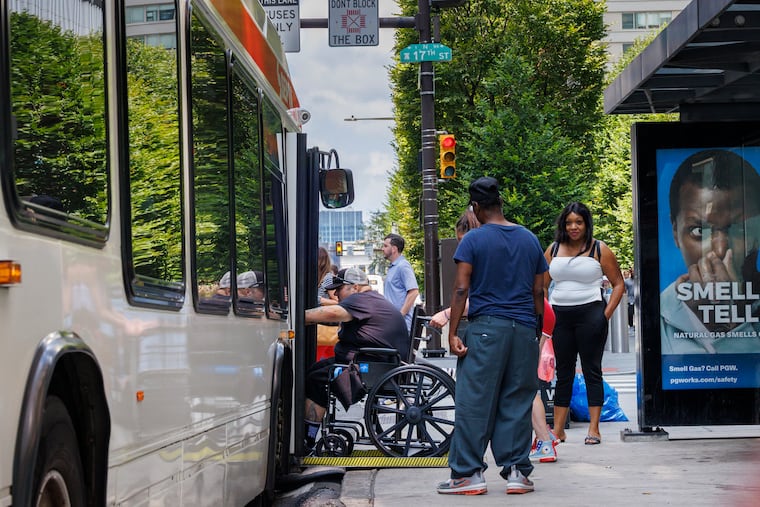
A small percentage of riders will lose SEPTA paratransit service because they will be pushed outside the service boundary by the transit agency’s deep cuts, said Cassandra West, chief of Access, SEPTA’s department for paratransit and the separate Shared-Ride Program for seniors.
SEPTA is scheduled to eliminate 32 bus routes and shorten 16 others in a 20% service rollback caused, the transit agency says, by an inadequate state subsidy and rising costs. The cuts begin on Sunday.
On Sept. 1, the $4.25 one-way base fare for both ADA paratransit and Shared-Ride services is scheduled to increase to $5.75.
SEPTA’s paratransit service is tied to its regular, fixed service. A person must be within ¾ of a mile of a bus or light-rail route to be eligible for the transportation program required by the Americans with Disabilities Act (ADA).
SEPTA provides about 4,000 rides on an average weekday on these services, 54% of them on Shared-Ride and 46% ADA paratransit.
The Shared-Ride Program is available to any Philadelphia resident age 65 or older for travel within the city or anywhere within three miles of the city border. Drivers provide limited assistance. State lottery proceeds help pay for the program.
West and her staff have been meeting with advocacy groups and human services agencies for months to get the word out, show people their options, and try to fill gaps in service that are likely with cutbacks.
“Accessible transit is a human service,” West said. A person with mobility issues needs transit to get to a medical provider or other help in order to use it, she said — not to mention other places.
Philadelphia is so dense with transit routes that it’s likely most will still be eligible for paratransit, SEPTA believes.
In the four collar counties, where routes are farther apart and there are rural areas, current SEPTA customers will be able to use county-level People With Disabilities (PWD) rides as an alternative.
West said there may be new demand for paratransit rides in Philadelphia as some customers with disabilities who have been using fixed service to get around may find alternate routes difficult to reach.