Real-time estimates of when a SEPTA bus or trolley will arrive are coming to a stop near you
Riders will finally be able to answer a pressing question: Where the heck is my bus?
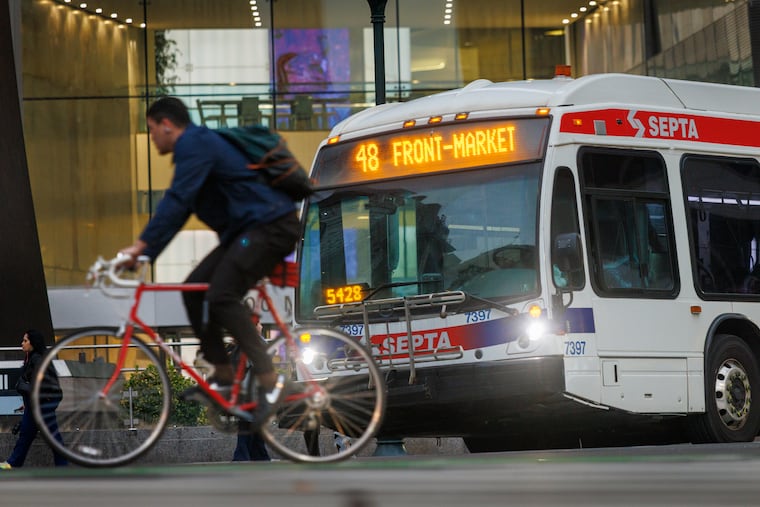
At last, SEPTA is about to deploy real-time displays at some Philadelphia bus and trolley stops so riders will be able to answer a pressing question: Where the heck is my bus?
They look like Kindle Paperwhites and will show schedules, arrival countdowns and service alerts in crisp lighted digital type. The units are small enough to hang on a bus stop pole, and they’ll run on solar power.
But these e-readers weigh 7 pounds. SEPTA says they are built to resist graffiti, scratching, vandalism, impacts, and storms.
“When we were planning the project and vetting the vendors, we made sure that they were well aware of the environment here in Philadelphia,” said Emily Duncan, special project manager in operations service support for SEPTA.
“They are prepared to be out in the elements — and that can include weather or, you know, fans of a team that might be wearing green.”
And yes, hitchBot, the globe-trotting robot mugged and dismembered on city streets in 2015, was mentioned.
“People better be nice to them. Abuse it, and you lose it,” said a half-joking Lex Powers, SEPTA’s chief of user experience.
The first 10 displays are scheduled to go out by the end of May for a testing period. SEPTA will be looking at how well they function, what riders think of them, and their survivability.
Officials are considering where to put the test models, and they want to hear location ideas from SEPTA riders. Plans also include opportunities for feedback once the devices are in operation, including QR codes at stops that provide a link to a survey.
SEPTA customers have long said they wanted more accessible and accurate information in real time. The agency awarded a contract for the real-time displays almost two years ago, but deployment has been delayed amid financial struggles.
Late last year, a group of frustrated street artists made a DIY real-time display, fixing a solar-powered e-reader with Route 64 bus arrival information at Broad Street and Washington Avenue in South Philadelphia.
“There’s been a lot of advocacy around this topic, and it speaks to how important this is to our riders that an artist would invest the time to do something like that,” Powers said. “We listen more than people think we do, and we want to be able to respond to the needs that we are hearing.”
While there are large-screen real-time displays at some bus shelters, especially in Center City, the smaller readers will be more accessible, needing only a pole and a small solar array.
In addition, each device is equipped with a text-to-speech button for blind and low-vision riders.
“The more we can provide information right where riders are, the better,” Powers said.