Getting ready for the snow and cold? Here are tips to prepare yourself, your house, and your car.
Since nowhere is safe from the cold, these tips can keep you from freezing and your property from damage.
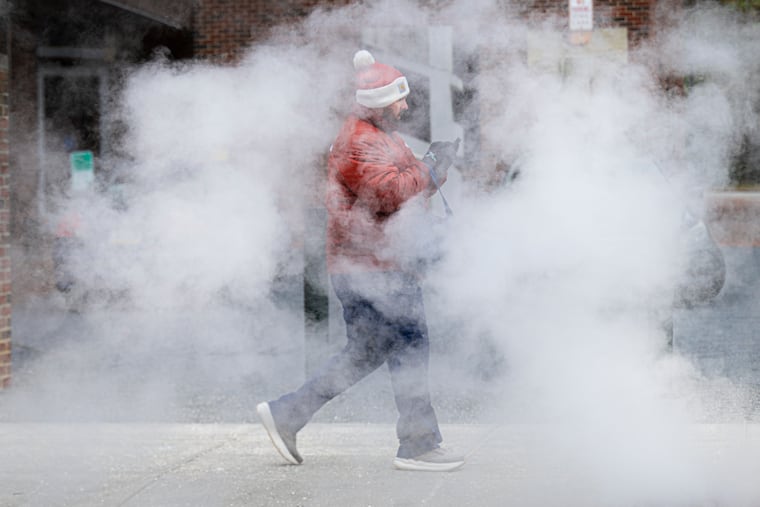
Brace yourself for the cold, Philadelphians, because the first double-digit snowfall in 10 years is potentially heading our way, followed by sub-freezing temperatures that could last the rest of the month.
Since nowhere is safe from the cold, here are some tips on how to keep yourself from freezing and your property from damage (no burst pipes in sight):
Staying indoors is the best way to keep frostbite and hypothermia at bay, but some must brave the temperature for work, other needs, or emergencies, as even waiting for the bus can take longer if SEPTA experiences storm-related service delays.
With temperatures forecast in the teens and lower 20s, it is important to keep an eye on your core temperature.
When you rapidly lose heat or stay wet for too long, it can cause hypothermia, even indoors. This can affect your brain and body, causing slurred speech, confusion, clumsiness, and extreme tiredness.
Continued exposure to the cold can cause frostbite, as blood stops reaching your fingers, nose, ears, and extremities properly. You can get frostbite even under winter clothing, and it can lead to losing the affected body parts. If you start feeling tingling, numbness, or your skin looks gray or pale, head indoors.
Frostbite can happen without hypothermia symptoms, and vice versa. Children, older adults, and people with circulation issues are especially at risk
To prevent both afflictions, stay dry, covered, and layered up, keeping your skin from being exposed.
Read more for additional tips on staying warm.
Four out of five warming centers reached capacity on Thursday, but the city plans to open more and add beds as needed.
The warming centers remain open at select libraries from 9 a.m. to 9 p.m. And shelter beds have been added under the Code Blue declaration.
Some recreation centers will also serve as warming centers from 9 p.m. to 9 a.m. Find the selected libraries and recreation centers closest to you on the city’s interactive map of warming centers.
Folks in need of a warm place can go to their local police precinct to be transported to the nearest warming center.
Read more about the warming centers.
Broken bones and head trauma are no fun. Stay grounded by wearing footwear with enough traction (no sneakers or dress shoes), or traction cleats.
You can’t control the city roads, but salting your sidewalk properly can help avoid starting your day on the ground, or worse, in the emergency room. As you walk, make sure to lean slightly forward and take shorter steps. You may look like a penguin, but it’s worth it to avoid the pain and medical bills.
Doing some balance exercise can also help.
Much like your body, your home also loses heat in the cold, putting pipes at risk for freezing and bursting. Disconnecting garden hoses and shutting off the valve that feeds them, and keeping faucets slightly open and running can prevent expensive repairs.
Pipes will begin to freeze when a thermostat is at 39 degrees and lower. Maintaining the thermostat at 50 degrees or above is ideal.
Read more for tips on how to spot a freezing pipe or what to do if it bursts.
Though they won’t burst, cars get cold too, reducing battery power and creating a risk of being left stranded, especially if the battery is older than two or three years.
Be ready to jump-start your car. Jumper cables and a portable jumper pack can be helpful. Remember, red clamps to the positive post of the dead battery; black clamps to the negative post of the working battery and to the unpainted metal surface on the engine of the dead car.
Here is a step-by-step guide on how to jumpstart a car.