The WNBA is growing faster than ever. How will that affect union negotiations?
The WNBPA is negotiating a new contract after opting out of the current deal, which expires Oct. 31.
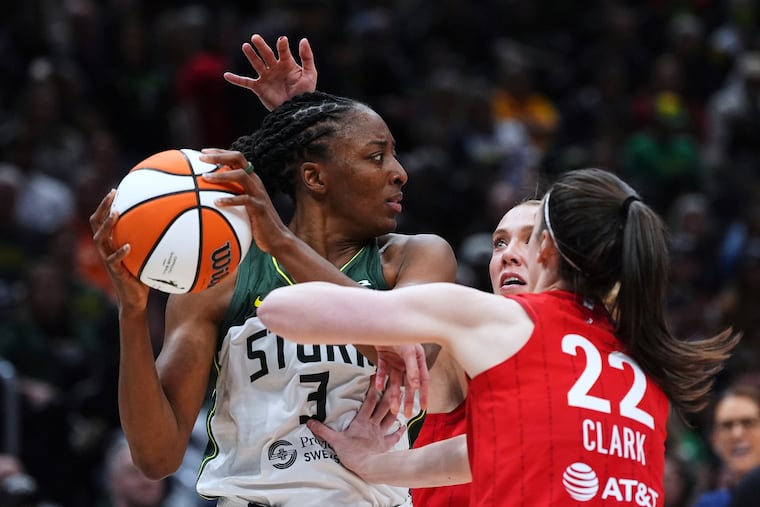
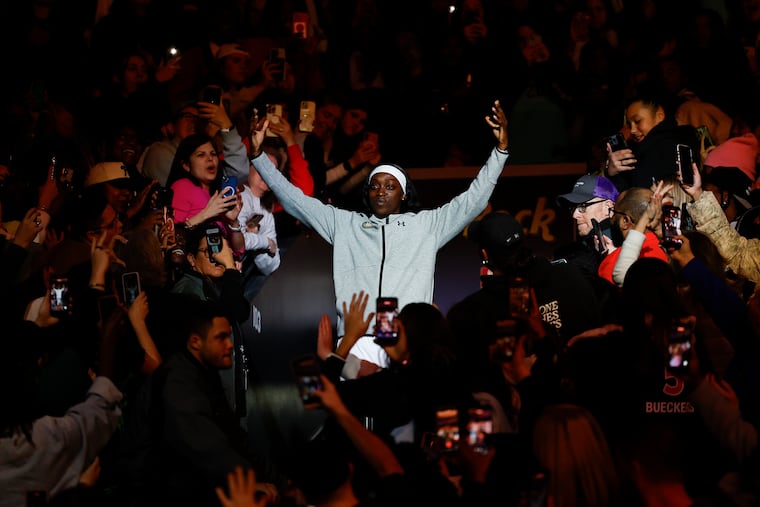
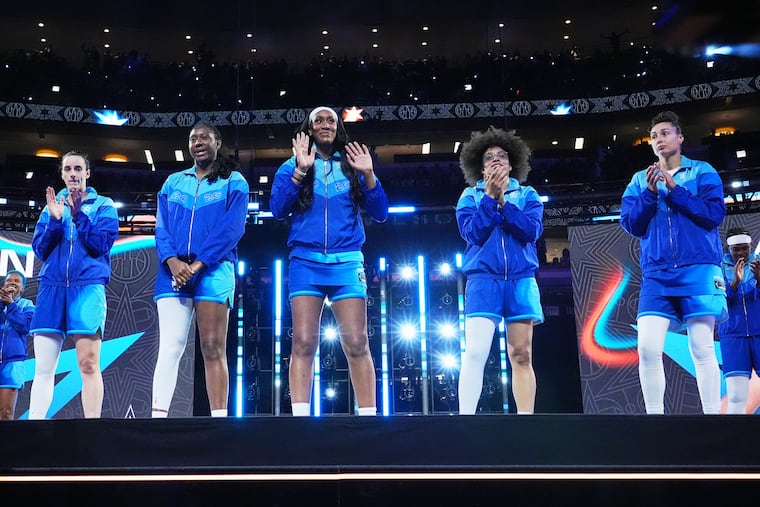
INDIANAPOLIS — WNBA All-Star Weekend is inescapable here. The airport is covered in WNBA banners and advertisements, and downtown is littered with activities. Massive posters of stars like A’ja Wilson, Sabrina Ionescu, and Caitlin Clark coat the sides of hotels near Gainbridge Fieldhouse, which sold out two nights of All-Star events.
But as the league’s explosive growth is on display, its players are fighting for their share, after their union, the Women’s National Basketball Player’s Association, opted out of the collective bargaining agreement, which expires Oct. 31. The WNBA and WNBPA held their first in-person meeting in months on Thursday, with over 40 players in attendance. But WNBPA president Nneka Ogwumike and vice president Breanna Stewart saw the meeting as a “missed opportunity.”
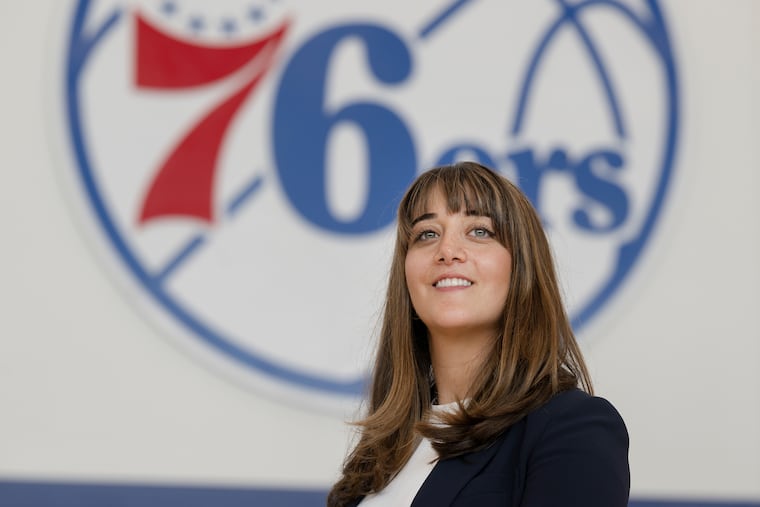
With the league continuing to scale up major events and with five new expansion teams on the horizon in the next five years, including Philadelphia, the union sees the exponential increase in leaguewide revenue. But after submitting their initial proposal for revenue sharing and salary structure in February, the union did not get a response from the league until June — which Ogwumike said was inadequate.
“The players were not satisfied with the explanations, or lack thereof, that were given, and I think that there probably would have been more satisfaction if it hadn’t taken so long,” Ogwumike said Friday morning. “It’s not that we were looking for a quick response. I feel as though if there was a response to our proposal that reflected any type of change that incorporated what we had proposed, then perhaps five months would have made a little bit more sense.”
Stewart said the league and the players agreed on just two points, family planning and retirement benefits. But the sides remain far apart on the two major priorities for the players — revenue sharing and salary.
Compared to NBA players, who receive about 50% of the league’s revenue, or “basketball-related income,” WNBA players only receive 25% of revenue sharing profits if the league reaches its “cumulative revenue target” in the current CBA. The other 25% is added to the offseason player marketing agreement pool, which allows the league to sign select players to a contract to promote the WNBA year-round, but restricts them from playing overseas.
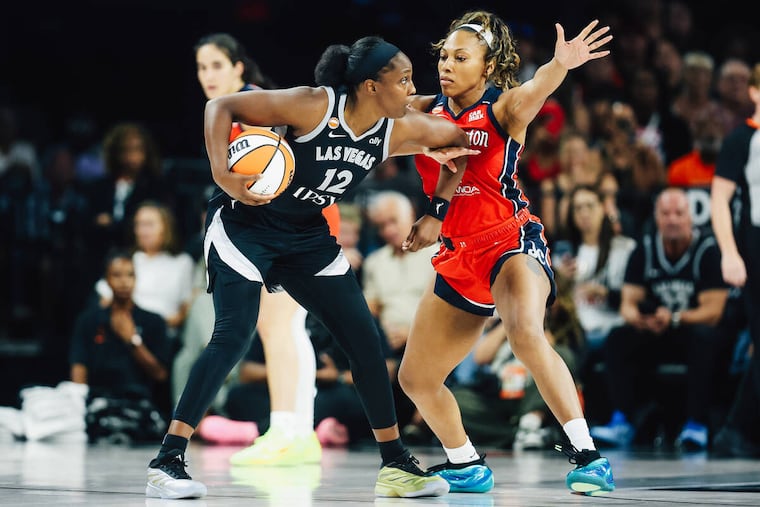
WNBA players given the core player designation can earn a super-maximum salary of just under $250,000. For those not under that designation, the regular maximum salary is approximately $214,000, and rookie contracts start at $66,079.
“We need the up-and-comers to be invested because the CBA is going to affect them the most,” said Minnesota Lynx star Napheesa Collier, another WNBPA vice president. “It’s setting them up for their next one, just like the last one set us up for this one. Knowing your history is really important. This obviously affects them. They’re young in their career, so this is going to be the salary that they’re on for a while. Their names carry a lot of weight. It feels like each rookie class that comes in has more and more followers, brings more and more eyes to the game, and carries more and more weight.”

The WNBA announced that Philadelphia will become the league's 18th team, beginning play in 2030.
- How Josh Harris’ bid landed the city a WNBA expansion team: ‘Philly deserves this’
- 25 things to know about the WNBA
- What should Philly’s new WNBA team be called?
- Some popular WNBA team names may not work due to trademarks. Here’s where Rage, Spirit, Freedom, and more stand.
- WNBA players with Philly ties, from Kahleah Copper to, yes, Caitlin Clark
- Before Philadelphia had a WNBA franchise, it had the Rage. Their former players are celebrating a full-circle moment.
- Everything you need to know about WNBA
- Meet the owners of Philly’s new WNBA team
- A timeline of the WNBA landing in Philly and what's next
Ogwumike and Collier said they had not had significant conversations with the union about a work stoppage if the sides fail to come to an agreement before that Oct. 31 deadline and would prefer to avoid that outcome, but it’s always on the table.
This new CBA likely will be the one under which the Philadelphia expansion team enters. The last agreement was signed in 2020 and was set to run through 2027, with an opt-out in 2024, which the union ended up exercising. The Philly franchise is set to make its debut in 2030, the last of the currently announced expansion franchises after Portland, Toronto, Cleveland, and Detroit.
Each of the three newest expansion teams joins the league paying a record $250 million expansion fee. The new Golden State expansion team has been an immediate success and is now worth over $500 million, according to Sportico, after paying just a $50 million expansion fee to enter the league. That’s a WNBA-record valuation, and the union knows it.
The league’s young stars, like Clark, Bueckers, and Angel Reese, built massive platforms in college, and their fan bases are a big part of the WNBA’s growth and the reason the league is seeing rapid increases in investment and revenue.
“I’m still learning what it all entails in the CBA negotiations, and for us to all show united strength — there were over 40 players in that meeting trying to fight for what we think we’ve earned and deserved and what we want for the future — it’s been powerful,” Dallas Wings rookie Paige Bueckers said. “... The proposal that they gave back to us was kind of disrespectful. I’m learning about it, asking people about it who know more than me, just learning, being a sponge, and just trying to be a voice.”
Ogwumike remarked that the level of player engagement and participation was “historic” for the union. Bringing over 40 players, including Ogwumike, Stewart, Collier, Broomall’s Natasha Cloud, and young stars like Bueckers and Clark, into a meeting was no easy feat.
Despite the lack of traction in negotiation, the players remain united in their demands and are not ready to budge.
“It was amazing just to see the player participation, more than ever in the history of the league,” Collier said. “I think it just sent a strong message that we’re taking this extremely seriously. The points that we’re talking about, we’re going to hold firm on them, and so I thought it was great to have that face-to-face meeting.”