From 2000: A fanciful taste of Morocco on Market Street
Inquirer critic Craig LaBan reviews Tangerine, the Stephen Starr-owned restaurant, at 232 Market St.

This story was originally published on April 30, 2000.
The news hasn’t been great lately over at Eighth and Market Streets, where dreams of a Disney park are becoming as empty as the giant abandoned hole that has been carved into the ground.
But who needs Disney when we have Stephen Starr? The visionary vibemaster of the table has been busy converting east Center City into his own version of Epcot Center. A ratpack martini bar, a big Buddha pan-Asian hall, and a glittering French bistro set new standards for stylish concept dining. What fantasy theme would be next?
There were more than a few late-night brainstorm powwows in the last year at 232 Market St. Starr and his creative cohorts sat in cavernous empty space, often at 1 a.m., incanting such buzzwords as loungey and sexy as they tried to conjure up the Next Big Thing. Would it be a giant hotel lobby? A recreated Havana street? Maybe Indian? Brazilian? A restaurant where people eat in beds?
Whoa, boy.
Finally, it hit Starr: Nouveau Moroccan!
My eyes begin to roll each time I hear what theme he plans to tackle next. I keep expecting Starr’s concept kitsch to get tiresome. But it looks like I’ll have to keep waiting.
Some spectacular dinners at Tangerine have convinced me that Starr’s powers of restaurant magic seem to be reaching higher than ever. He has transformed a hardware store on lower Market Street into a futuristic fabric-draped Casbah of dining pleasure, where a dramatic flair touches every aspect of the experience, from the lush red curtains and shimmering wall of votive candles to the inventive and beautiful food, to the outstanding service. I know for a fact that I was spotted during my meals, but the allure of this restaurant is impossible to deny. Part nightclub, part theme park, part culinary exploration, Tangerine is the proof that serious restaurants can also be fun.
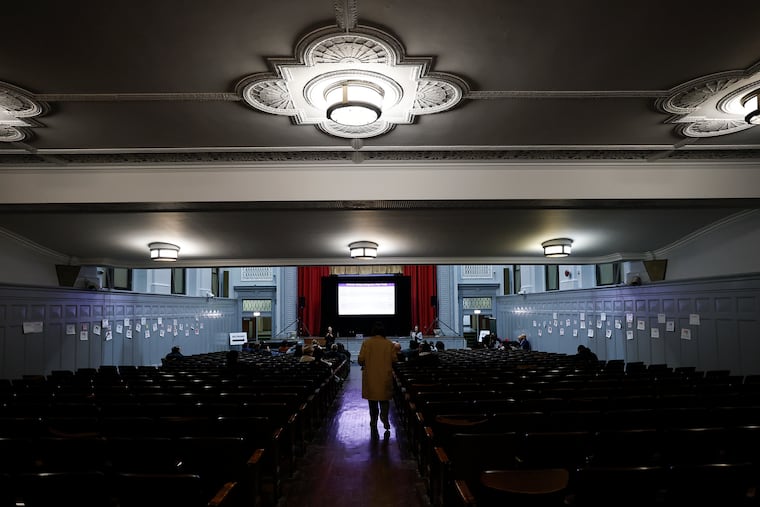
Walking down Market Street, though, you might not even know that it was there. Behind its inconspicuous frosted-glass doors, a sultry world of shimmering red scrims, woven Kilim floors and hanging lamps give this rambling space the intimacy of a sultan’s secret lair in the souk. World music throbs in the background. A blue glow edges the room. Filigreed lights spray tented ceiling with a stardust of dappled lights.
Like other Starr restaurants, Tangerine is often too loud. Moody ambience also means it’s dark. And there are the inevitable trendoids to contend with - a table of young women behind us looked as if they had come to audition for the harem, complete with snakeskin pants, see-through red lace bodices, cashmere capes, and high-heeled cow-print shoes. But look beyond them, and you might be surprised. A group of pimply guys in plaid shirts and thick glasses were getting a happy eyeful. And behind them, a family had brought their grandma out to dinner with her oxygen tank in tow. Propped up in her low leather chair by a montage of plush pillows, she seemed to be having a riot.
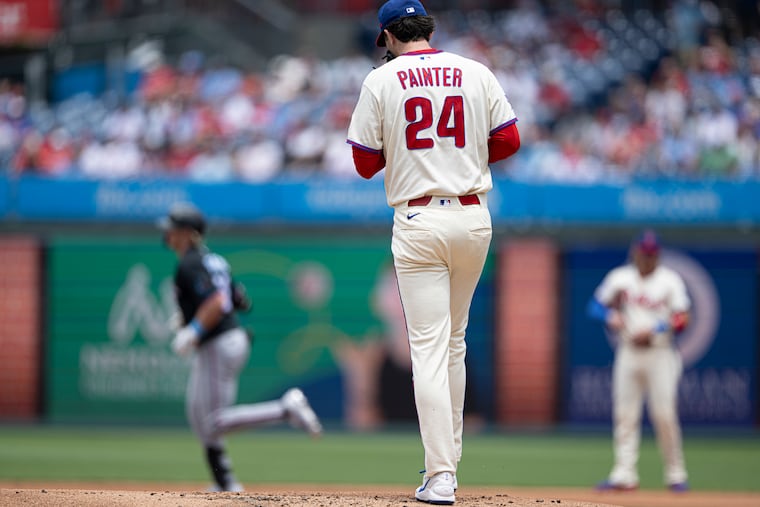
With talented newcomer Chris Painter in the kitchen, who wouldn’t be having a good time?
There are excellent renditions of traditional Moroccan dishes that arrive steaming on gorgeous North African pottery. A savory round of flaky bisteeya pie is filled with a sweet and spicy chicken, its phyllo crust wisped with cinnamon, powdered sugar and candied almonds. Classic tagine stews are ladled over heaps of couscous, slow-cooked chicken meat penetrated by the gentle salt and sour of green olives and preserved lemons; tender hunks of lamb, braised with vegetables and an exotic tingle that melts into the lingering sweetness of honey.
Starr and Painter are the first to insist that the menu was not meant to faithfully represent authentic Moroccan food. Rather, North Africa and the Mediterranean are a source for its inspiration, with giant portions big enough for sharing that compensate for big prices.
There are moments when the kitchen does not quite nail Morocco’s delicate dance between sweetness, spice and sour in savory dishes. A delicious chickpea crepe filled with chicken and chanterelle mushrooms, for example, suddenly veered off a cliff when it touched the achingly sweet and sour sauces of honey vinegar and pomegranate.
But for the most part, Painter, a Pottsville native who worked at the French Laundry in Napa and L’Espinasse in Washington, roots many of his inventive dishes in some of Morocco’s best traditions.
He makes his own ras al hanout, a distinctively complex spice blend that conveys the intricate and fragrant flavors of mahgreb cooking throughout the menu. This pixie dust of cinnamon, clove, ginger, allspice and smoked paprika, among other things, gives a musky, earthy flavor to crunchy calamari that make them absolutely impossible to stop eating. The accompanying salad was tossed with a cilantro chermoula and an olive vinaigrette.
A refreshing tabbouleh salad comes studded with cubes of raw tuna tossed in mint, cilantro and lemony olive oil. Delicate fillets of little rouget fish are dusted in paprika and spicy Mombasa pepper before they are crisped and stacked like cards above tender artichoke hearts and a brandade puree of salt cod. It is a combination that vividly evokes the Mediterranean.
Painter’s funky take on gnocchi, infused with harissa chile paste and glazed in a celery-root cream, was an inspired creation that still needs tweaking - more spark from harissa and less lavish from overpowering truffle oil. His peppery crust on rack of lamb was so heavy-handed that it transformed an otherwise exquisite rack of meat into something like pastrami. The addition of spices to the moussy light crabcakes had an undesired effect, accentuating its fishy flavors.
The seafood Afrique did not have much of the spice that was promised on the menu, but I absolutely loved the flavors that did come. Perfectly seared large shrimp and scallops were mounded around an intriguing fufu mash of gingered carrots and banana, an almond-steeped cream pebbled with sweet peas pooled at the bottom of the plate.
In other cases, assertive spicings worked to perfection. A harissa-fired sweet pepper puree was the ideal accent to seared snapper and dumplings filled with spinach melted into garlic and creamy cheese. A mince of sour cherries helped to elevate the often boring cut of filet mignon into an artful, interesting dish. A delicate pepper crust on the meat, a sauce gently thickened with foie gras, and a pedestal of fingerling potatoes exuding the aroma of truffles didn’t hurt either.
The persuasive tang of preserved lemon and the warmth of honeyed spice insinuated their flavors into the buttery flesh of crackle-skinned duck. And rare tuna, fanned like pink square-cut chips over curry-creamed lentils, succeeded where the rack of lamb failed. Its crust of mustard seed, black pepper and sesame set off sparks, but did not obscure the delicate freshness of the fish, contrary to our waiter’s surprising opinion.
I didn’t hold that against him. It was refreshing that our extremely personable waiter should have any critical opinions of the menu at all. Not only did he offer legitimate feedback on unfamiliar dishes, his recommendations on both food and wine took the overall balance of our meal in mind, steering us subtly toward his favorites, easing back when we wanted something else. The excellent service was consistent throughout our visits as the table was tended seamlessly, servers explained dishes as they arrived, and the meal flowed forth like a midnight caravan into dessert.
When we got there, pastry chef Laurie Shapiro’s creations were the ideal reward - playfully creative, with just the right touches of Moroccan motif. Hot mint tea was poured at the table into a wide-brimmed bowl of fruit, slowly melting the cubes of lemon sorbet stacked in the center. Dense coffee-flavored chocolate pot de creme filled a little Turkish ibrik pot beneath a clever froth of cream. A pyramid of sweetened goat-cheese custard was medallioned with little pears poached in port. A dense dark chocolate cake rimmed by a chocolate crust used a bracing streak of tangerine to great advantage.
And then there was “the snake,” an almond-paste-filled phyllo coil soaked in almond milk and mint syrup. It is the closest thing here to a North African dessert and also a perfect reminder of why this cuisine has so much potential to transport Philadelphia diners.
By the time we polished it off, rose from our leather chairs and headed down the long candle-lit corridor to the exit, we passed only reluctantly through those frosted doors, reemerging onto Market Street from an imaginary world more delicious than even Disney could create.
Tangerine
232 Market St.
Three bells (excellent)
This story was originally published on April 30, 2000.