Theater audiences are slowly coming back but SEPTA cuts could change that
While pre-pandemic audience numbers still remain elusive, parking costs and lack of transportation are keeping young audiences away. It all might get way worse.
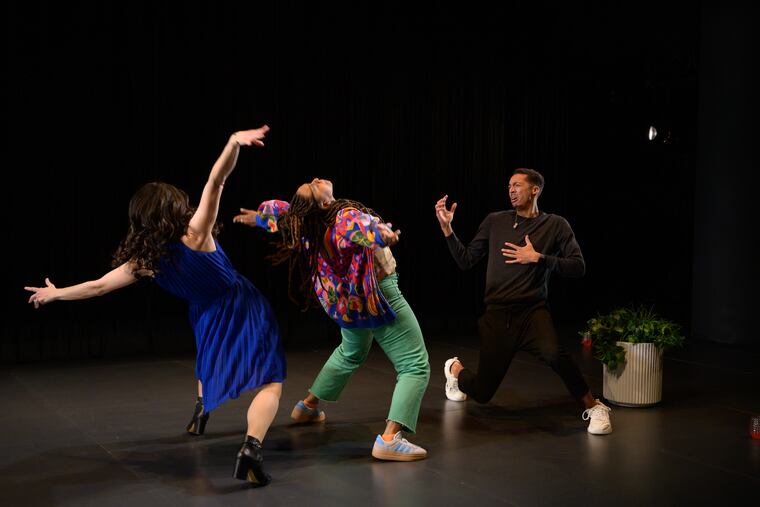
Greater Philadelphia Cultural Alliance released the results of its “A Look at Theater-Going Habits in Greater Philadelphia” report on Wednesday morning. The data collected came from the Cultural Alliance’s audience intercept surveys — filled out before performances — and public opinion surveys.
The findings are a mix of good and bad news, with added anxiety for the future.
A 2025 PA CultureCheck report, undertaken by Pa. Humanities in partnership with the Cultural Alliance, which was released last month, notes that 71% of surveyed performing arts organizations have seen an uptick in audiences since last year. That’s the good news.
The bad news: only 41% of those organizations are reporting pre-pandemic numbers when it comes to their audience, the Cultural Alliance survey notes. The performing arts sector, in particular, is struggling to match up to the rising attendance levels of museums, community engagement programs, and media exhibitions like film screenings.
Who is showing up?
While a whopping 83% of surveyed Philadelphia area residents said that arts and culture were important to them, concerts continued to be the biggest crowdpullers, followed by museums, zoos, historical sites, and fairs and festivals. Theater, visual arts galleries, and dance performances ranked lower on the list.
Cuts to federal arts funding — which 91% of organizations surveyed by Pa. Humanities said would affect them — and public transit challenges add to the uncertainty around future audience trends.
When asked if their current theater-going habits resemble their pre-pandemic activity, 45% of the audience respondents said their attendance remains the same, largely driven by a desire to support the arts and to seek out “thought-provoking experiences.”
“Live performances in theaters have just started to rebound from COVID, so to have an instance where their audiences can’t have access to theater experiences would disrupt the rebound that we’ve seen,” Patricia Wilson Aden, GPCA’s president and CEO said. “To have [SEPTA] pulled out from under us would be, I think, a critical, critical setback.”
Who is not showing up?
A majority of the audience members who took the survey were white, with very little representation from Asian and Latin American communities. African American survey respondents constituted only 23% and 12% (public opinion and survey participants respectively) with respect to the 66% and 80% who were white.
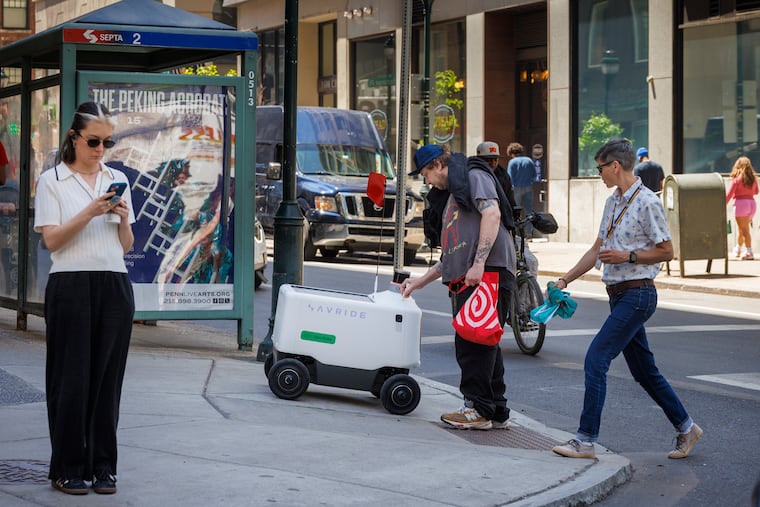
Among those attending fewer performances, the top reasons cited were cost, time, and changing priorities. Parking costs, which are bound to be affected by a shrinking public transit system, constitute a sizeable barrier too.
As the technical report shared by the Alliance shows, 58% of people in the region drove to the theater venues, while 22% take public transportation, and 20% walk. The Philadelphia-only numbers are a little different — 39% of the city’s theater audiences drove to performances, a comparable 30% took public transit, and 32% walked.
The surveyed audience skews older: Most respondents were between 58 and 77, while only 7% of audience survey respondents and 11% of public opinion respondents fell into the Gen Z (18-25) bracket. Gen Z respondents named cost and the lack of transportation are the two biggest barriers to their participation.
As theater companies struggle to attract newer audiences and cultivate future patrons, losing Gen Z participation is posed to be a crucial setback.
The 10 theaters in the Southwestern Pa. region that participated in the survey are Arden Theatre Company, Bristol Riverside Theatre, EgoPo Classic Theater, InterAct Theatre Company, Lantern Theater Company, People’s Light, Philadelphia Theatre Company, The Players Club of Swarthmore, Quintessence Theatre, and Wilma Theater.
Of the 409 responses from audience members, 385 were deemed valid for analysis. the public opinion survey received 491 responses from the Philadelphia metro area residents, with 318 responses from the five-county Southeastern Pennsylvania region.