The first Black woman to win a Barrymore for directing a musical is now going to lead Theatre Horizon
Amina Robinson, who has directed some of Philadelphia's buzziest theater productions, including 'The Color Purple' and 'Fat Ham,' is now intent on creating a community-driven theater
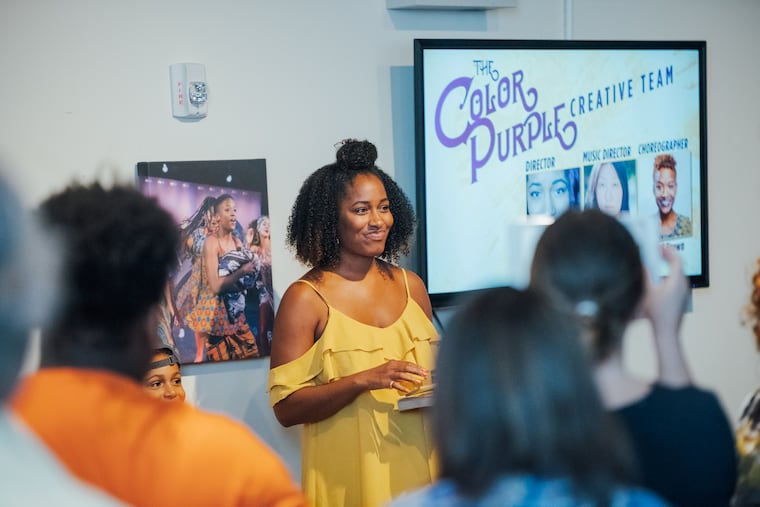
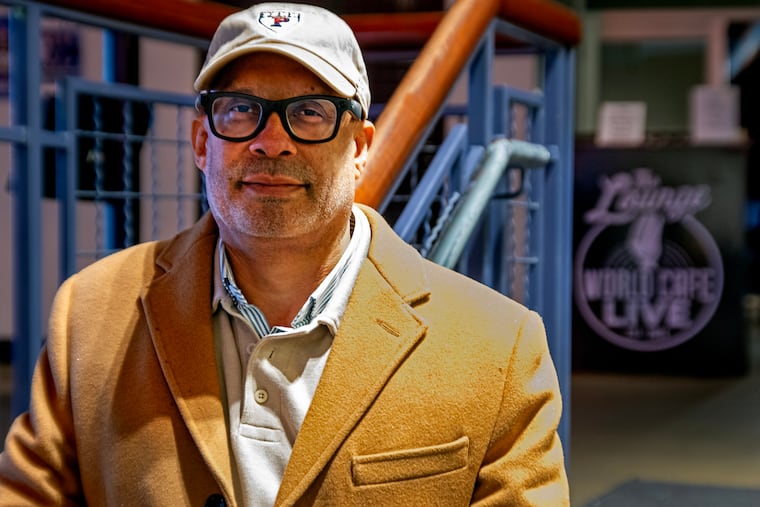
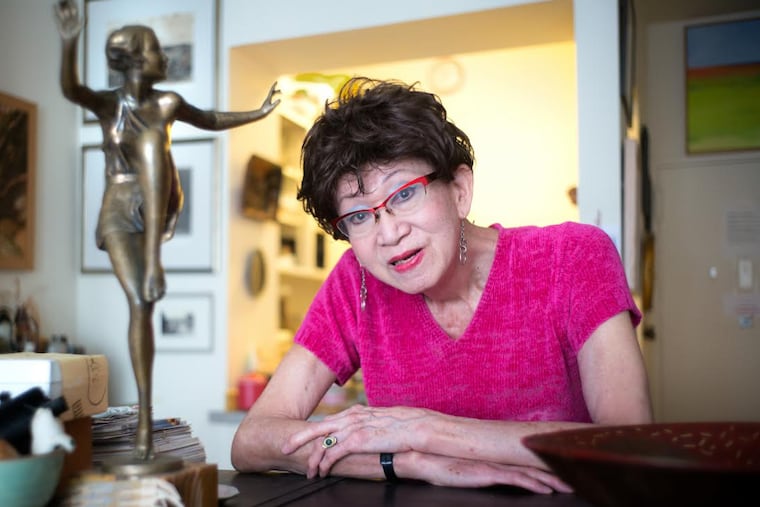
Popular Philadelphia director, actor, and teacher Amina Robinson will take the helm at Theatre Horizon as artistic director, the Norristown organization announced Monday.
The 21-year-old nonprofit theater, cofounded by Erin Reilly and Matthew Decker, had been searching for a permanent leader since the 2024 departure of Nell Bang-Jensen, who now heads FringeArts.
Decker has served as interim artistic director and will continue to do so until Robinson’s tenure begins in November.
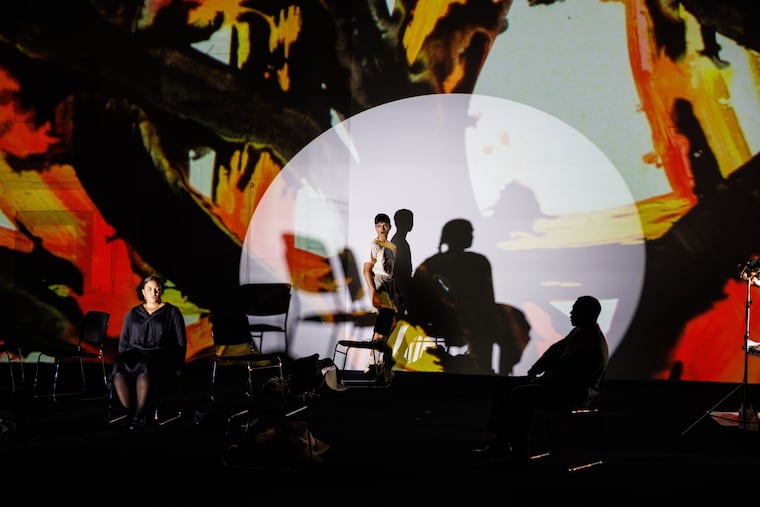
For Robinson, who grew up in South Philly and studied theater at Temple University, Theatre Horizon has been a creative home and launching pad for her work as a director. In 2018, she received wide acclaim for her direction of the musical The Color Purple, based on the classic Alice Walker novel and 1985 film. The Theatre Horizon production earned six Barrymore Awards and Robinson made Philly theater history, becoming the first Black woman to win the Barrymore for outstanding direction of a musical.
“I like to say [The Color Purple] put me on the map in Philly because it won a whole bunch of awards, and people responded really well to it,” said Robinson, who lives in Cherry Hill with her husband and teenage son. “I got the opportunity to work with people who have become family to me …[that’s] the culture of the theater. It’s built into their mission [to be] a place of gathering. I like to think of them as human-powered, people-centered, and that really coincides with who I’ve always been.”
Theater fans in the region will recognize Robinson’s name from some of the buzziest local productions in recent years, from directing James Ijames’ Pulitzer Prize-winning Fat Ham in 2023 at the Wilma Theater, to the Arden Theatre’s 2024 run of the musical Once on This Island, which Robinson set in Haiti as a comment on the Caribbean country’s turmoil.
“Amina is a visionary artist, a thoughtful collaborator, and someone who understands both the power of theater and the importance of community,” Decker said in a statement.
Robinson is an associate professor of acting and musical theater at Temple University and has appeared on screen in shows like Nurse Jackie, Law & Order, and Smash, and in the 2009 film Precious.
She is no stranger to Norristown, either, as she was formerly an artistic director at the Centre Theater.
Robinson just wrapped work on Theatre Horizon’s production of the Fats Waller musical revue Ain’t Misbehavin’ and is now working on the forthcoming Arden Theatre production of Suzan-Lori Parks’ TOPDOG/UNDERDOG, opening this fall.
“As Theatre Horizon continues expanding how we serve artists and audiences in Norristown and throughout the region, I’m excited to partner with someone who believes deeply in theater as both an artistic home and a gathering place,” said Theatre Horizon executive director Mydera Taliah Robinson in a statement.
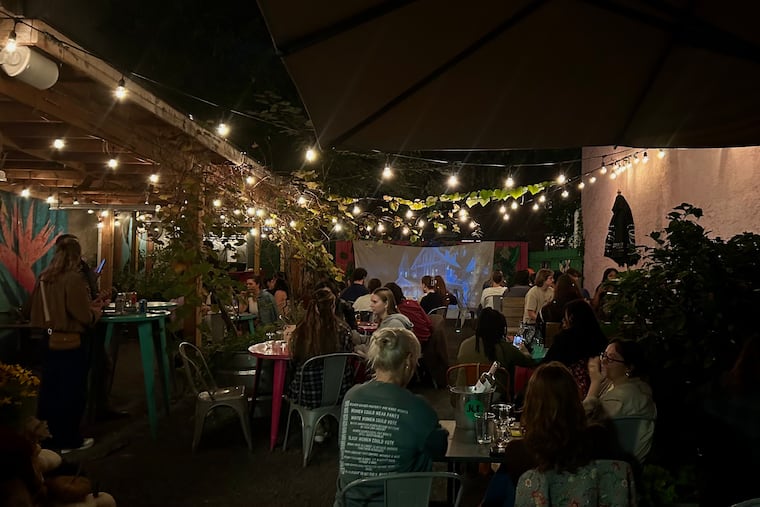
The two will work to expand community programming and reach new audiences; their plans so far include a permanent choir and potential events for Black History Month and Juneteenth in 2027, as well as a “season sampler” series of comedy nights, open mics, and staged readings under the title HorizoNEXT. In October, the theater will host an event celebrating Robinson’s start, showcasing performances from Ain’t Misbehavin’ and The Color Purple.
“I have a really burning desire to make theatergoing feel essential,” said Robinson. “When I’m talking about the history of theater, it finds its grounding in ancient African storytelling traditions, and that wasn’t only used for entertainment, it was used to share cultural values and strengthen community.”
She said sees an opportunity to create a community-driven theater, to produce shows that prompt people to think critically about social and political issues, or help process collective trauma together — all working toward the goal of building a sustainable, supportive community for artists and patrons alike.
“I want an essential theater, and that includes growing the audience and getting more people in the space to experience the power of creation and storytelling through the theater,” she said. “I’m invigorated by the power that theater has to impact people’s lives, and how miraculous the creation is.”