Avelo stops deportation flights in Arizona; protesters in Delaware applaud
In canceling the flights, the airline cited closure of the Arizona base and lack of profits from deportation.
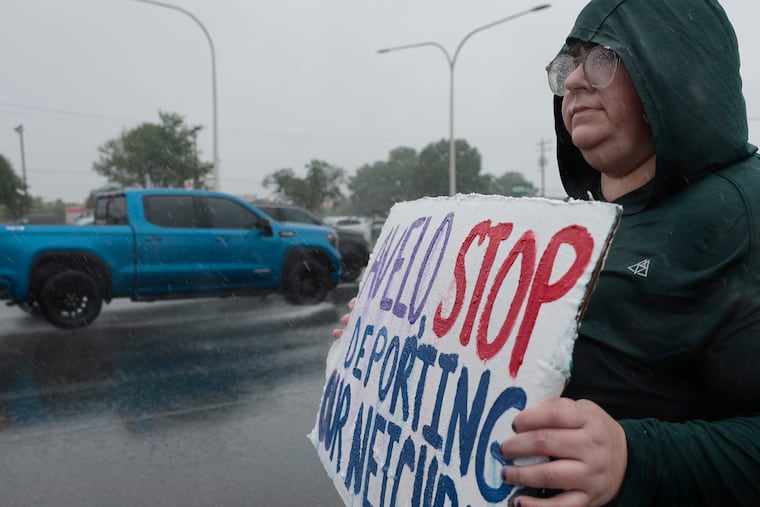
Avelo, the only commercial airline serving Wilmington’s airport, has ended its contract flights to carry foreign nationals detained by U.S. immigration agents. The change takes place amid a larger consolidation of Avelo’s routes.
The Delaware Stop Avelo Coalition of groups critical of President Donald Trump’s deportation policies hailed the airline’s move. They had been leading pickets at the Wilmington airport in New Castle, Del., since last spring, when Avelo joined several charter airlines transporting deportees for the Department of Homeland Security.
For Avelo, the latest move was part of a cost-cutting reorganization “streamlining its network” to four of its regional bases: Wilmington; New Haven, Conn.; Charlotte/Concord, N.C.; and Lakeland, Fla. Among the regional bases it is closing is Mesa, Ariz., which handled deportation flights.
“Avelo will close the base” in Arizona, where it had managed what the airline called “removal flights” for the government, “and will conclude participation in the DHS charter program” by Jan. 27, Avelo spokesperson Courtney Goff said in a statement. The airline said earlier that it had not moved deportees through Delaware.
Avelo also said it has gotten rid of six Boeing jets. Airline industry information sites are reporting DHS has picked up at least some of those former Avelo airliners, as if moving deportation capacity in-house.
Avelo plans a new base at the McKinney National Airport, near Dallas, later this year.
Avelo CEO Andrew Levy last year said the DHS contract was part of the airline’s plans for growing and maintaining operations. Levy started the airline in 2020 and has rapidly increased its route network, but also has acted quickly to cut and shift unprofitable service.
The coalition, a group including local Democratic Party activists in chapters of the Indivisible organization, Working Families Party affiliates, the Delaware Democratic Socialists of America, and Unitarian-Universalists, said in a statement that it welcomed Avelo’s decision to end deportation flights, “especially those without due process.”
“We don’t know, to be honest, but we have indications from behind the scenes that we had some effect. Sometimes these things build and build,” said Gayle Gibson, an engineer who serves as coalition spokesperson.
The coalition also coordinated some of the sign-waving picketing with actions at other airports Avelo serves around the country.
Gibson noted that Wilmington City Council passed a resolution calling on Avelo to stop flying deportees rushed into custody without due process. State legislators drafted similar bills, which had not yet advanced to a vote, and “hundreds” of protesters had turned out to airport picket lines, local-government meetings, and University of Delaware rallies to pressure Avelo. Leaders also met with Gov. Matt Meyer and other top state officials.
Safety concerns raised by Avelo employees also had an impact, Gibson said. “This shows Delaware stands behind businesses that operate according to laws and value people and due process.”
The organizers in their statement took credit for making Avelo’s deportation flights “politically and reputationally radioactive,” leading to the company’s decision to stop.
Avelo cited poor financial returns. The program did not pay Avelo enough “to overcome its operational complexity and costs,” according to Goff’s statement.
State and local officials in Connecticut, New York, and other states had called on Avelo to stop the deportation-related flights.
Meyer, who welcomed Avelo to the airport when he was New Castle County executive in the early 2020s, had said he personally boycotted Avelo after the protests began.
Activists said they couldn’t measure the effect of any customer boycott.
“We did not see an impact regarding customers choosing to fly,” said Goff, the airline spokesperson. Customer flights rose to 2.6 million last year, up 11% from 2024, as planes were fuller. She credited low fares and on-time reliability.
The protests put Meyer and other Democratic officials in a quandary. They had encouraged Avelo to begin service from the airport, which formerly managed only charter, corporate, and general-aviation flights, as a way of boosting Delaware’s corporate employment sector as the state economy turns from heavy and chemical manufacturing toward biotech and other developing industries.
Meyer did not act on protesters’ demands that the state cancel tax incentives and other Avelo financial benefits to pressure the airline to end the flights.
The airport is operated by the Delaware River and Bay Authority, which also controls the Delaware Memorial Bridge and Cape May-Lewes ferry. The authority’s board represents the Democratic-led states of Delaware and New Jersey.
Like the governor, the authority declined activist requests to pressure Avelo, saying the airline had the right to conduct its business the way it sees fit.
“We’re aware of the community concerns regarding Avelo’s past operations at other airports,“ James Salmon, the authority’s spokesperson, said in a statement after Avelo announced an end of the flights. “We’ve consistently maintained a neutral position” and focused on keeping the airport accessible to customers for Avelo’s flights to Florida and other destinations. The airline’s flights from other airports were “outside the scope” of the agency’s authority.
“This decision proves that public pressure really works,” the coalition said in its statement. It said it would keep pushing proposed laws to prevent airlines receiving state benefits from “quietly” resuming flights or other deportation contractors from winning government support.