Campbell’s brands will stop using synthetic food dye next year
The move comes as other food businesses have pledged to remove some dyes from their products amid a changing regulatory landscape and a push from the Trump administration.
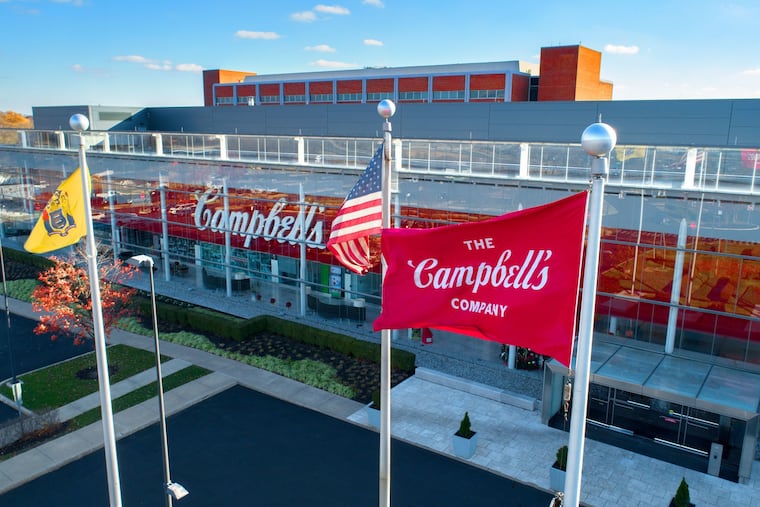
The Campbell’s Co. will not produce any food or beverage products with artificial color additives starting next year.
The company said it is making the change in response to “consumer preferences,” also acknowledging a changing regulatory environment. President Donald Trump’s administration, with its Make America Healthy Again slogan, has taken aim at synthetic food dyes.
The Camden-based food and beverage business announced this month that it will change the recipe for the few products that contain these color additives.
“Our use of these colors is limited,” said Mick Beekhuizen, president and CEO of the company on an earnings call this month. He said Campbell’s will no longer make food or beverages with the artificial color additives, known as “FD&C” colors in the industry, starting in the second half of the company’s 2026 fiscal year.
Campbell’s, which got its start selling canned soups over 100 years ago, also owns brands including Pepperidge Farm, Rao’s, Goldfish, and Prego.
Its products that use synthetic colors are Lance crackers, V8 Splash, as well as snack brands Jay’s, O-Ke-Doke and Tom’s, and cookie brands Archway and Stella D’oro.
Going forward, Campbell’s will use colors from natural sources like annatto and purple carrot juice concentrate in some of these products.
“We’ve been actively reviewing our portfolio and tracking the evolving regulatory environment,” said a company statement about the change. “People are increasingly seeking better-for-you options with simpler, recognizable ingredients. This move reflects both consumer preferences and our commitment to making great food.”
The change comes as the U.S. Department of Health and Human Services and the U.S. Food and Drug Administration announced this spring measures to push food companies toward phasing out artificial color additives in the country’s food industry, as part of the Trump administration’s Make America Healthy Again agenda.
The administration said it was “working with industry” to eliminate specific dyes. The administration has been keeping track of companies that have pledged to remove artificial or synthetic dyes from their products, which include General Mills Inc, Danone U.S, and Nestlé S.A. Inc. among several others.
Some states have taken their own steps to limit some dyes or require labels after California banned red dye No. 3 in 2023 and some dyes in school foods or beverages in 2024.
“We are a consumer-led company, so we have been actively reviewing our portfolio in light of ongoing changes in consumer preferences,” Campbell’s spokesperson James Regan said Tuesday. “We have also been closely monitoring the regulatory environment and its increasing complexity.”
The financial impact of the transition for Campbells is “immaterial,” said Regan.
The company reported net sales of $10.3 billion this fiscal year which ended in August.
The company welcomed a new CEO in February, and updated its name last year from Campbell Soup Co. to the Campbell’s Co. to better reflect its full portfolio of products.
“For more than 155 years, we have made great food that people love,” reads a company statement released last week. “People want simpler, recognizable ingredients — and we’re responding."