‘Naked’ Cheetos and Doritos ditch iconic colors in health push
PepsiCo’s “Simply NKD” versions of the snacks, which don’t have any added colors but purportedly taste the same, will arrive in stores by Dec. 1.
A new line of Cheetos and Doritos won’t leave anyone’s fingers orange.
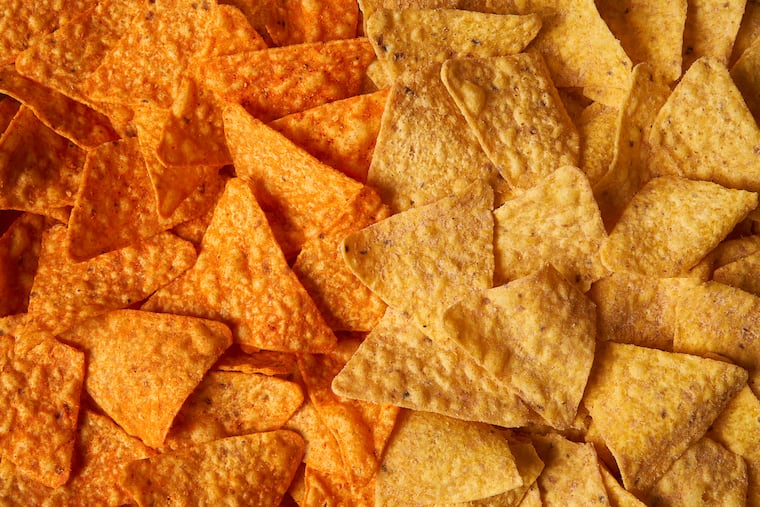
PepsiCo Inc. is introducing “naked” versions of its popular snacks that strip out artificial dyes as part of its push to boost healthier options. The offerings — marketed as “Simply NKD” — don’t have any added colors, leaving them a natural pale yellow instead of the bright hues for which the brands are known.
The snacks are designed to taste the same as the original, but with a novel appearance that the company is betting will interest consumers, according to Rachel Ferdinando, chief executive officer of PepsiCo Foods U.S.
“It wasn’t based on consumer data or trends,” she said. “No insight would ever suggest removing color from Doritos or Cheetos because these are fan favorites.”
Food companies have been swapping synthetic dyes for natural colors amid pressure from Health Secretary Robert F. Kennedy Jr. and the “Make America Healthy Again” movement he leads. PepsiCo already has a Simply line that includes Doritos and Cheetos without artificial dyes, but they are in slightly different flavors from the original versions. The NKD line tries to replicate the same flavor of the traditional snacks but without any added coloring.
PepsiCo is also facing an activist investor campaign by Elliott Investment Management, which has built a $4 billion stake in the company. Elliott has called on PepsiCo to review and streamline its snacks portfolio and divest underperforming assets.
Many of PepsiCo’s most popular snacks fall outside the growing category of “better-for-you” foods, though the company has expanded its healthier offerings, including Sabra hummus and Siete grain-free chips.
In its most recent quarter, the company reported a 4% drop in volume in its North American food division. Shares of PepsiCo are down 5% for the year, compared to a 16% rise in the S&P 500.
For fans of the original Doritos and Cheetos, which are still being made, these versions will be quite a change when they arrive in U.S. stores by Dec. 1. The NKD Flamin’ Hot Cheetos are a pale yellow that leave a white dust on fingers, unlike the deep orangey-red of traditional spicy Cheetos. Similarly, a NKD Nacho Cheese Dorito looks like a traditional corn chip and leaves no orangey smudge.
PepsiCo tested the NKD line with expert tasters trying the chips under special red lights that prevented them from seeing the color of the chip.
“If you close your eyes, you have the same crunch, the same flavor,” Ferdinando said.
Companies have had at times to backtrack after softening their products’ colors. General Mills Inc. put artificial coloring back into its Trix cereal in 2017 after consumers complained about its naturally-colored version. The company this year said it would remove synthetic dyes from all U.S. cereals.
PepsiCo also saw little enthusiasm for Crystal Pepsi, a clear cola launched in the early 1990s and discontinued soon after.
Color shapes how consumers perceive food before eating it, said Renee Leber, a food scientist at the Institute of Food Technologists. For example, people often view a lighter-colored strawberry ice cream as not being as intensely flavored as one that is a deeper red, she said.
“If you keep the flavor the same, but you adjust the appearance, it can impact the perception of freshness for people,” Leber said.
But Ferdinando said people are increasingly seeking transparency around what is in their food.
“We see that consumers’ preferences are moving toward fewer ingredients, more alternative options, so we don’t see it as a risk,” she said.
PepsiCo developed the chips in about eight weeks, according to Ferdinando. The company has been moving swiftly to broadly overhaul its portfolio and offer more options for health-conscious consumers, including products with more protein and “clean labels” with shorter ingredient lists.