This hot Philly software maker wanted a big Center City HQ but went remote ‘because SEPTA is so bad’
dbt Labs dropped its Fishtown name and IPO plan and is merging its 730 people into a larger California tech firm.

For a little while, Philadelphia’s Fishtown Analytics looked as if it might put the city where the modern computer was born back on the tech map as a software headquarters.
Cofounders Tristan Handy, Connor McArthur, and Drew Banin started their company in 2016. They created the Data Build Tool, which helps a range of employers — Philly firms like Gopuff, business software makers like GitLab, HubSpot, and New Relic, publisher Condé Nast, manufacturer Thermo Fisher Scientific, airline JetBlue — manage their proliferating databases out in the cloud of rent-a-servers.
As the tool caught on, they talked of taking the company public, drawing investors and hundreds of software recruits to one of the city’s popular neighborhoods, proof that Philadelphia is a place tech leaders flourish.
But that’s not quite how things worked out. In 2021 the start-up raised $150 million from Roblox backer Altimeter Capital and Silicon Valley giants Sequoia Capital and Andreessen Horowitz. The founders dropped the Fishtown name in favor of dbt Labs, for their software tool’s initials.
Then in October, they agreed to a merger with a larger data-integration software company and sometime-partner, Fivetran, with headquarters in California. The 20-person Spring Garden Street office will remain.
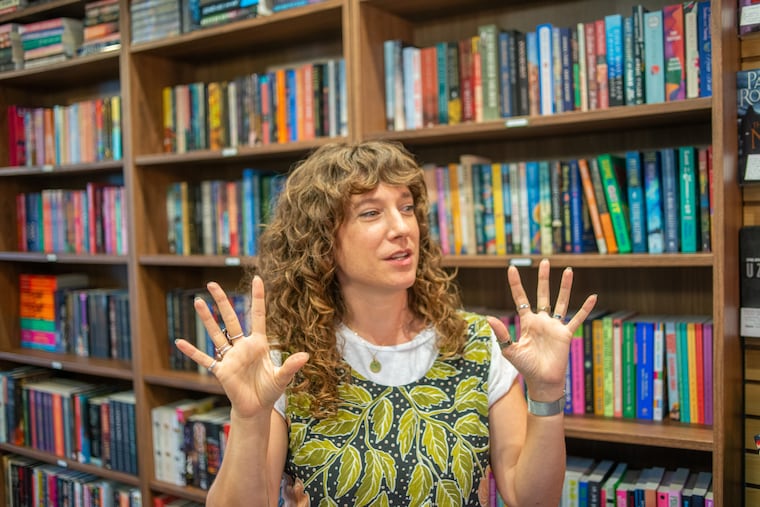
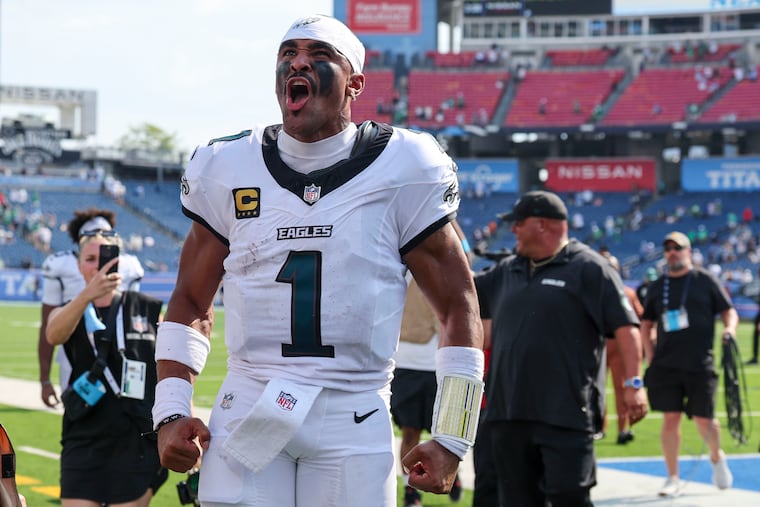
Handy agreed to talk with The Inquirer about what was, what might have been, and what’s next. He came to the interview wearing an Eagles No. 27 jersey. The conversation has been edited for length and clarity.
Your deal looks a little like your former boss Bob Moore’s Crossbeam merger with French competitor Reveal?
I talked to Bob about lessons learned. Bob is focused on his relationship with the Reveal founder. He says everything else is solvable, as long as the relationship between the founders is strong.
Are customers glad you’re consolidating or worried at losing a choice?
We have a lot of customers we share with Fivetran. In general we are finding excitement, with a little initial trepidation.
George [Fraser, Fivetran’s CEO] and I have spent a lot of time thinking about what our customers need to hear and to de-stress them. Generally the reactions are positive. It’s not uncommon we will hear from a customer: ‘I was thinking about what I was going to do with this set of data pipelines, and now we should talk about that.’ Which is part of the point of all this.
We are still pre-closing. We need to seek [U.S.] Department of Justice input. We are waiting to see if we meet that test — if DOJ will care about us at all. The answer should be no.
Does Philadelphia make enough software to be a ‘tech center?’
All three of us cofounders came out of Bob Moore’s RJMetrics, and then our first employee, Erin Vaughan [head of customer services], came out of RJ. Bob sent me a note after that: ‘Maybe you should hire some other people.’
A big part of the reason I started Fishtown Analytics was that in 2016, RJ was coming close to the end of its main chapter. I didn’t see other start-up opportunities locally that I was excited about. My wife had just gotten a job at CHOP. We weren’t moving. I had to figure something out.
So you built it. Was Philly a good place to start and then grow?
I just turned 45. A bunch of people I know have moved back to the area from San Francisco. A lot of times that is because you want to be close to family when you have kids or it’s a higher quality of life around here.
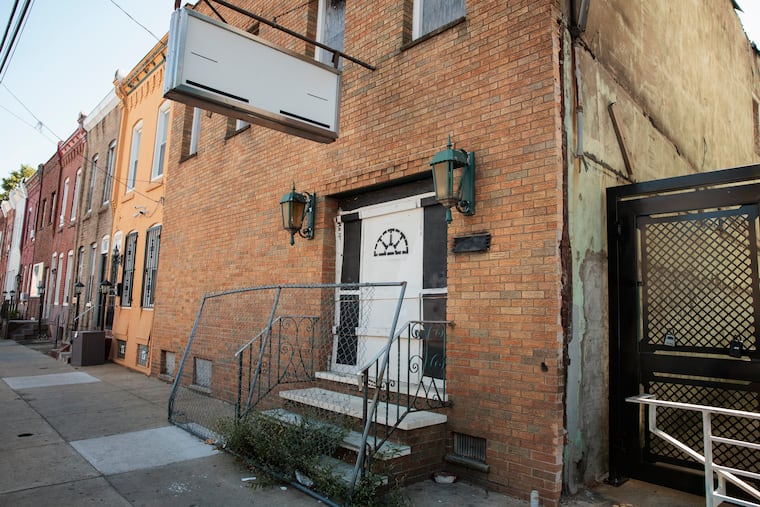
We are at 915 Spring Garden St. The elevator is always broken. We are still about 20 people there — the same as when we raised money [in 2021].
But my network is now nationwide. We are a distributed business with 730 people. And Fivetran has a big headquarters in Oakland, Calif.
Will the merger mean expansion and hiring, or consolidation and firing?
Growth is good, and in general, we are not imaging cost-cutting targets. There is figuring out who occupies the leadership ranks. That is the main area where there might be some departures.
It’s a consolidation move from a products perspective. Historically in our space, the products Fivetran sells and the products we sell have been sold together. Our customers have budget lines for that combination.
Both companies are on track. Both companies were going to IPO at some point. This brings that date in closer. Combined, we have the growth and scale to go public. We just need to get through the integration and prove to everybody we have effectively combined these companies, and need a few quarters of numbers.
Why did you drop ‘Fishtown’ from the name?
Every sales call started out with ‘What’s Fishtown?’ Locally people have a lot of pride in Fishtown. But nobody else knew what it meant.
Both companies are keeping their brands. We’ll figure out what to call the combination.
Do you hire a lot of Philly engineers?
We did originally. Our first class of data people we trained, there were two Penn people and a Princeton person. For a long time that was the plan: continue hiring incredibly talented people from these schools. But then we went in a different direction.
Why, when Fivetran expanded in Oakland, did you not do the same in Philly?
It’s real hard to do any kind of office-space culture for tech workers in Philly because SEPTA is so bad.
As the people in the company start to age into having kids and move out to the suburbs, it is getting very challenging to come into the office. Even from the Main Line, the train is once an hour. That’s very hard.
Bob Moore calls you a pillar of the Philly start-up ‘connectivity’ who helps other founders and causes. Are you planning to stay around?
It’s conceivable I might start another thing.