Essity buys Playtex brands and tampon manufacturing plant in Dover for $340 million
The deal puts a Delaware plant, several brands, and 450 workers under Swedish-owned Essity and its West Philly-based U.S. management.
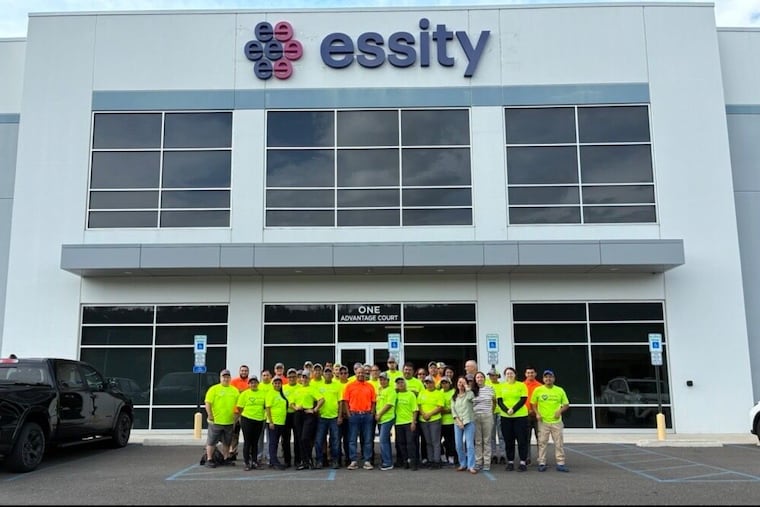
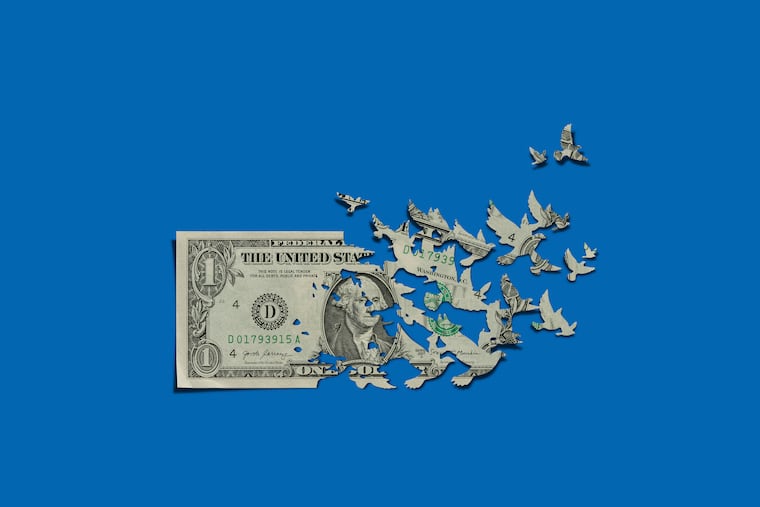
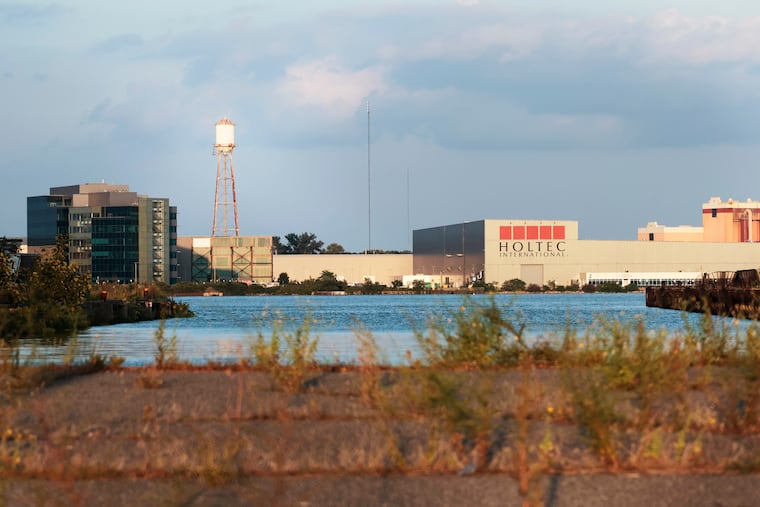
Essity, which makes Tork wiper towels at its Bordentown factory and other products worldwide, has agreed to pay $340 million for Edgewell Personal Care’s Playtex factory in Dover, Del., and its feminine-care brands. The deal boosts the profile of the health and hygiene giant’s Philadelphia-based North American arm.
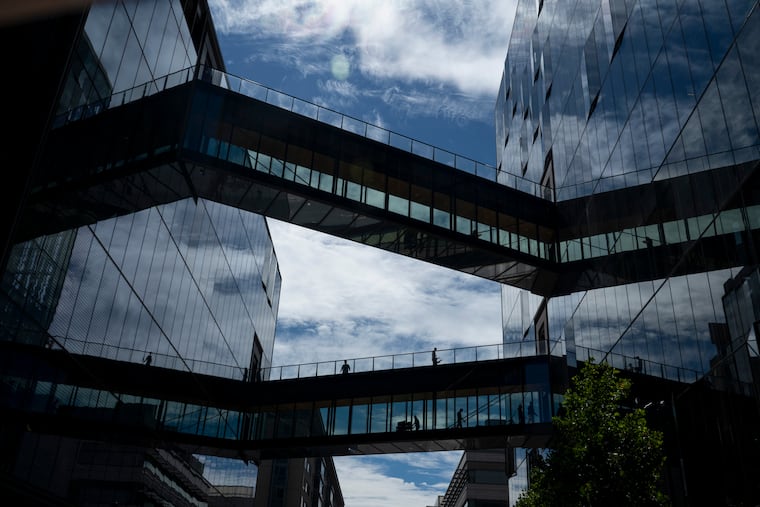
“We want to significantly accelerate this business,” said Thiago Icassati, the former Procter & Gamble executive who heads Essity’s Consumer Brands North America from its 250-person offices and lab at the Cira Centre, next to 30th Street Station.
In addition to the 450-worker Dover plant, Essity is buying the Playtex and o.b. Tampon brands, Stayfree pads, and Carefree panty liners in the United States, Canada, and the Caribbean, along with global rights to Playtex, for $340 million in cash.
Adding the U.S. brands will boost Essity’s profitability, Essity chief executive Ulrike Kolsrud told investors in a statement. Shares of buyer Essity fell less than 1% on the Nasdaq Stockholm stock market after the deal’s announcement Thursday, while shares of Edgewell were flat in New York Stock Exchange trading, suggesting that investors found the deal fairly valued.
The sale leaves Edgewell to focus on its skin-based businesses such as Schick razors and Hawaiian Tropic sunscreen, said spokesperson Stephanie Pischke, leaving the Delaware plant workforce more room “to grow and succeed” under new owners.
Essity said it expects to boost profits partly by cost-cutting over time. Icassati said Essity expects its larger scale to help reduce materials costs, and he expects the company will expand, not cut, production.
Essity employs around 230 at its Philadelphia headquarters and research lab and 50 at the Bordentown Tork plant. In 2021, it acquired the AquaCast Liner orthopedic waterproofing plant in Newark, Del., which employs about 10.
The Dover Playtex complex, which opened in 1939 with rows of oversized sewing machines, was built to make girdles and other structured women’s undergarments. In the 1960s, it added moonsuits for Apollo astronauts before switching to menstrual products.
Icassati noted that besides Tork food-service and hospital wipes, Sweden-based Essity makes Knix period underwear, Tena incontinence pads, and many of the menstrual brands that lead foreign markets where tampons are less popular than in the U.S., such as Libresse in Europe and Saba in Latin America.
He said Essity improves production of the brands it buys with research and development at its major plants such as Bowling Green, Ky., along with its University City lab, and boosts market share with a “bolder” approach than its rivals.
That includes testing and marketing menstrual products using blood-colored fluids, instead of the blue fluids that are the more common medical-industry practice. “It looks like period blood,” said Amy Belcourt, an Essity spokesperson. “It’s authentic. Their real experience isn’t blue.”
Essity sells its products through partners and distributors — such as Kenvue, the Johnson & Johnson spinoff that makes Tylenol at its Fort Washington plant and Listerine in Lancaster — directly to Walmart, Target, CVS, and other chains, and online through Amazon, “one of our biggest growth drivers,” Icassati said.
An Essity predecessor acquired the Bordentown plant built by the former Scott Paper Co. of Philadelphia. Other Essity brands include Libero diapers, leakproof underpants such as Knix and TOM Organic, Jobst compression therapy garments, and many others. Global sales last year topped $14 billion.
Based in Connecticut, with plants in Pacific and European nations as well as North America, Edgewell also makes Wilkinson Sword and Billie shaving razors, Edge and Skintimate shaving creams, Wet Ones wipes, and sunscreens Banana Boat, Bulldog, Jack Black, and Cremo. Sales topped $2 billion last year.