Pa. plant that helps make smartphones and bullets finds new suppliers in China trade war
Global Tungsten & Powders is looking to Korea and Rwanda to provide tungsten, a metal that’s also essential to helicopters and medical devices.
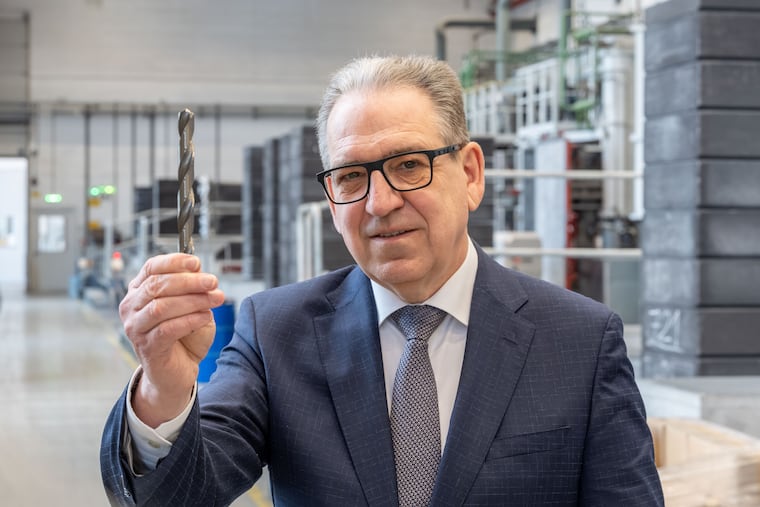
Tungsten is the hardest metal, tough enough to drill steel.
When your Apple phone rings, its tungsten “Taptic Engine” buzzes. Tungsten hardens artillery shells made for the Ukraine war at General Dynamics’ Scranton Ammunition Plant. It’s used in Boeing helicopters built at Ridley Park and medical device parts from Berwyn-based TE Connectivity.
More than 80% of mined tungsten comes from China — or did, until limits on China tungsten imports imposed during the Biden administration began last year. China has also imposed tungsten export limits.
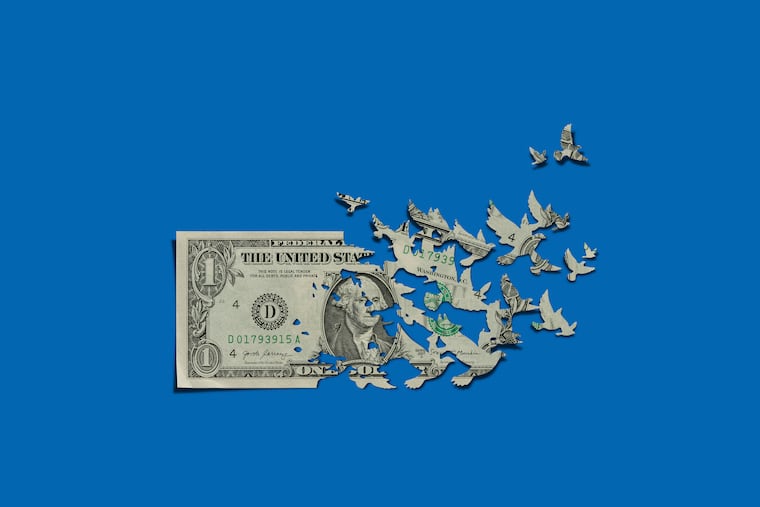
Not surprisingly, tungsten concentrate is now selling at record prices of more than $30 a pound amid the U.S.-China trade war and the budget-busting U.S. military buildup.
The struggle has fed a global tungsten rush, with investors and their allies in the U.S. and foreign governments paying to reopen old mines and secure new suppliers around the globe. The restrictions have also revived production of other strategic metals in many countries.
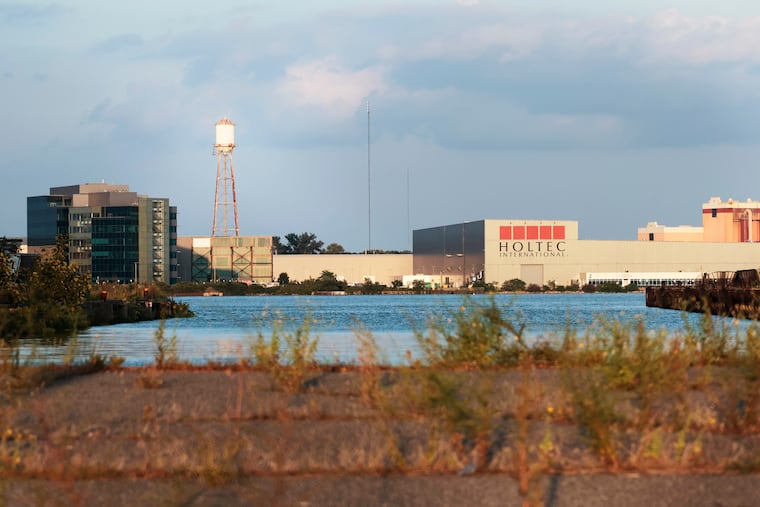
The biggest tungsten processor in the Western world is the century-old, 400-worker Global Tungsten & Powders (GTP) complex in Towanda, Pa., three hours north of Philadelphia. It produced more than 12,000 of the 117,000 metric tons of tungsten powder made in the world last year, crushing the metal into workable powders because it takes too much energy to melt.
Far from fighting to preserve cheap Chinese tungsten supplies, GTP championed laws supporting China import restrictions.
Before Stacy Garrity became Pennsylvania’s elected treasurer in 2021, she worked at GTP for more than 30 years. As vice president for government affairs and head of a metals industry group, she lobbied Congress and the first Trump administration to limit tungsten imports from China and its allies under what she called the “don’t buy from the bad guys” law.
Trump endorsed Garrity last month for the Republican nomination to run against Pennsylvania Gov. Josh Shapiro this fall.
GTP’s owner, Austria-based Plansee, has relied mostly on recycled Western tungsten, along with the few non-Chinese mines. But with tungsten demand and prices surging, the company has contracted mined metal from new sources, including Korea and Rwanda, after many years of effort, says Karlheinz Wex, Plansee’s executive board chairman.
Korea’s Sandong mine, once among the world’s biggest suppliers, shut in 1994 as cheaper Chinese tungsten flooded world markets. The mine has reopened with financial support from the Korean government, technical assistance from U.S. agencies, and an exclusive supply deal to GTP. It’s owned by Almonty, a multinational mining company partly owned by Plansee. Almonty is moving its headquarters to the U.S. from Canada.
Tungsten shipping from the mine at Nyakabingo, Rwanda, has been delayed by conflicts between militia backed by Rwanda’s pro-business President Paul Kagame and neighboring Congo, also a mining center.
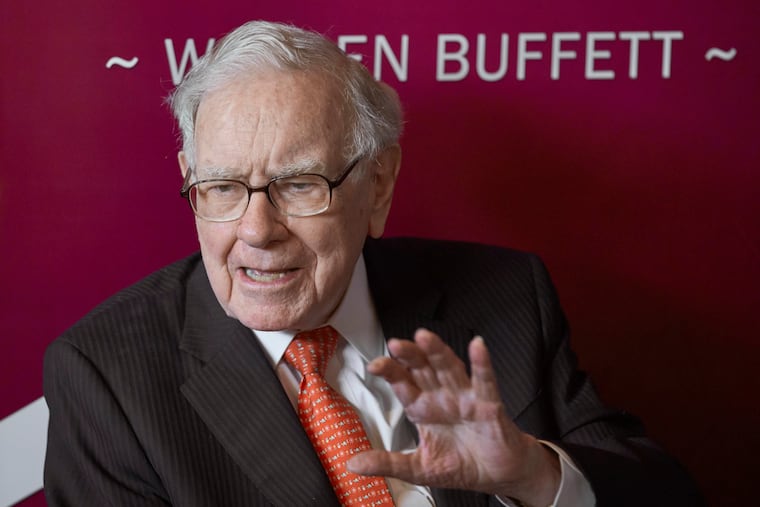
Wex agreed to take questions about the tungsten trade and GTP, purchased from lighting maker Sylvania in 2007. This conversation has been edited for clarity and length.
How did a tungsten processing plant end up in Pennsylvania?
That is where it started more than 100 years ago. The company focused on medical applications. Later, it went into the lighting business [pre-LED light bulbs used tungsten filament]. We have focused it 100% on tooling and special applications, such as artillery shells, and mostly in alloys with nickel and iron for tools, and with carbide and cobalt in machines for cutting, drilling, mining.
The journey starts by creating tungsten scrap from customers and competitors. Our tungsten supply is 70% scrap recycling, from tools and drill bits.
Why did your company, which relied on Chinese tungsten, also lobby to reduce imports from China?
We always had this topic of sources independent from China, from the politics and their pricing. The mining of tungsten in the West was not that much [because of] the unfair competition flooding Chinese materials into the market. We wanted to get independent of that.
Why are you buying tungsten from Africa now?
Tungsten is a so-called conflict material. When we can certify it’s conflict-free, the material from that mine is really sound. The people at Trinity Metals [in Rwanda], we’ve known for years. Our specialists visit their mine.
The U.S. government’s involvement made it easier to prove we can support national security in the West. We buy their entire production.
How does tungsten get from Rwanda to Pennsylvania?
At the mine they separate the tungsten, crushing and separating the material by weight, or separating it by flood behind a dam. That makes a concentrate, about 60% tungsten. They put it in big bags and drums, very heavy. It’s easy to transport in standard containers [usually through the port of Mombasa [in Kenya], arriving through Newark or other East Coast ports and trucked to Towanda].
Does the sale price of tungsten today cover all those costs?
We have record prices in the tungsten market. Last year the price tripled. We don’t have enough [supply].
The big problem is the Chinese have restricted exports. And the U.S. has forbidden the use of Chinese material for defense applications, as of this year. About 10% of tungsten goes into defense applications.
Will Rwanda make a big difference in the supply chain?
Rwanda is a small part.
We rely on recycling. The biggest growth in supply that we see is the Sandong mine in South Korea. We have supported that financially. They will ship the concentrate to San Francisco [ports] and then by land to Towanda.
We are working at capacity. We could produce 50-60% more and sell it on the market. We are sold out for the next six to nine months. Some of our customers are desperate.
We are thinking of expanding in Towanda.
Have you kept in touch with Stacy Garrity since she became a public official?
Yes! It’s good to see her as state treasurer and potentially governor of Pennsylvania. She worked a long time for GTP after she was in the Army.