J&J and distributors finalize $26B landmark opioid settlement
New Brunswick, N.J.-based J&J has 10 years to pay its $5 billion share. The three distributors, including Conshohocken-based AmerisourceBergen, have 18 years to pay a combined $21 billion.
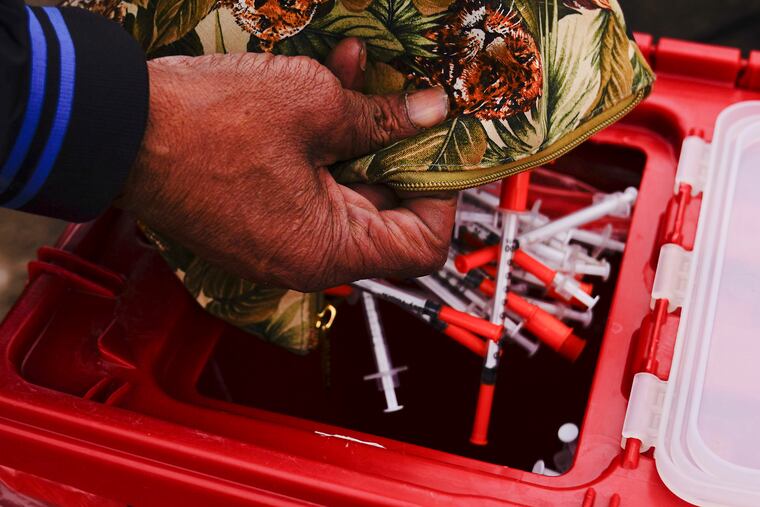
Drugmaker Johnson & Johnson and three major distributors — including Conshohocken-based AmerisourceBergen — finalized nationwide settlements over their roles in the opioid addiction crisis Friday, an announcement that clears the way for $26 billion to flow to nearly every state and local government in the U.S.
Taken together, the settlements are the largest to date among the many opioid-related cases that have been playing out across the country.
J&J, AmerisourceBergen, Cardinal Health, and McKesson announced the settlement plan last year, but the deal was contingent on getting participation from a critical mass of state and local governments.
Every county in Pennsylvania and New Jersey ultimately signed onto the settlement. Pennsylvania is expected to receive $1 billion, with over $180 million slated for Philadelphia, state Attorney General Josh Shapiro said last month. New Jersey is on track to receive over $641 million, its state Attorney General’s Office said.
Friday was the deadline for the companies to announce whether enough governments had committed to participate in the settlement and relinquish the right to sue. The four companies notified lawyers for the governments that their thresholds were met, meaning money could start flowing to communities by April.
“We’re never going to have enough money to immediately cure this problem,” said Joe Rice, a lead lawyer for local governments. “What we’re trying to do is give a lot of small communities a chance to try to change some of their problems.”
While none of the settlement money will go directly to victims of opioid addiction or their survivors, the vast majority is required to help deal with the epidemic.
Kathleen Noonan, CEO of the Camden Coalition of Healthcare Providers in New Jersey, said some money should be used to provide housing to people with addictions who are homeless.
“We have clients who have a hard time staying clean to make it in a shelter,” she said. “We would like to stabilize them so we can help them recover.”
Dan Keashen, a spokesperson for Camden County government, said officials could use the money for a public campaign to warn about fentanyl, put more drug counselors into the streets, post additional social workers in municipal courts, and pay for anti-addiction medications in the county jail.
With fatal overdoses continuing to rage across the U.S., largely from fentanyl and other illicitly produced synthetic opioids, health experts are urging governments to ensure access to drug treatment for people with addictions. They also emphasize the need to fund programs that are proven to work, collect data on their efforts, and launch prevention efforts aimed at young people, all while focusing on racial equity.
“It shouldn’t be: ready, set, spend,” said Joshua Sharfstein, vice dean of public health at Johns Hopkins University. “It should be: think, strategize, spend.”
In a separate deal that also is included in the $26 billion, the four companies reached a $590 million settlement with the nation’s federally recognized Native American tribes. About $2 billion is being set aside for fees and expenses for the lawyers who have spent years working on the case.
J&J, based in New Brunswick, N.J., has nine years to pay its $5 billion share. The distributors will pay their combined $21 billion over 18 years.
The settlements go beyond money. J&J, which has stopped selling prescription opioids, agrees not to resume. The distributors agree to send data to a clearinghouse intended to help flag when prescription drugs are diverted to the black market.
The companies are not admitting wrongdoing and are continuing to defend themselves against claims that they helped cause the opioid crisis.
In Camden, Lisa Davey, a recovery specialist for Maryville Addiction treatment Center, was at a needle exchange this week handing out naloxone, a drug that reverses overdoses, and asking people if they wanted to start treatment.
Davey said she wants to see detoxification and treatment programs receive more funding to keep people in them for longer. As it is, users can detox and be back out on the streets in search of drugs within days.
“They need more time to work their recovery,” she said.
Martha Chavis, president and CEO of Camden Area Health Education Center, which runs the needle exchange, said one need is offering services like hers in more places. Now, users from far-flung suburbs travel into Camden to get clean needles and kits to test their drugs for fentanyl.
Inquirer staff writer Catherine Dunn contributed to this story.