Why this nonprofit CEO says Philly ‘cannot just be a place of eds and meds and Comcast’
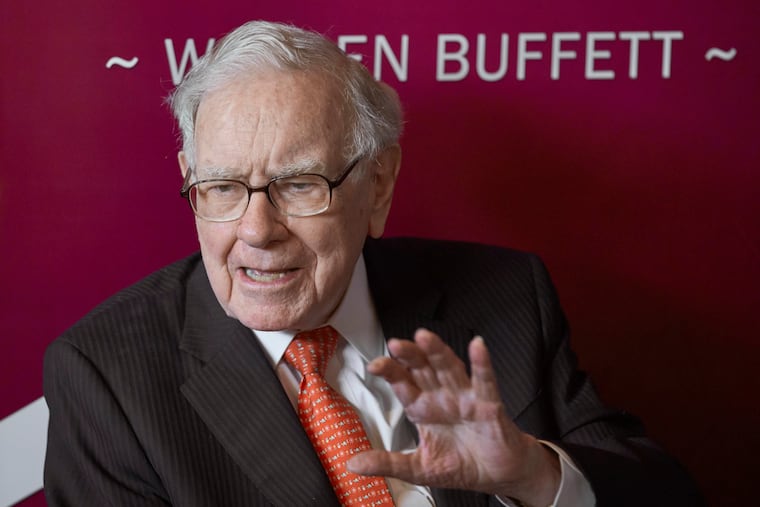
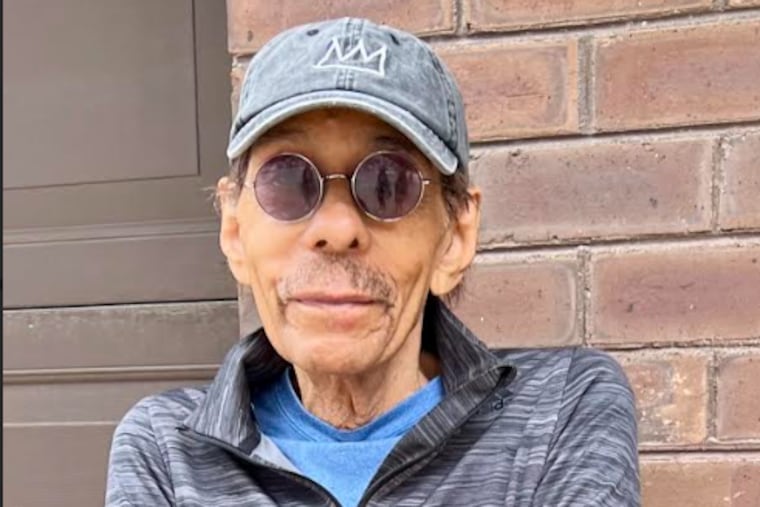
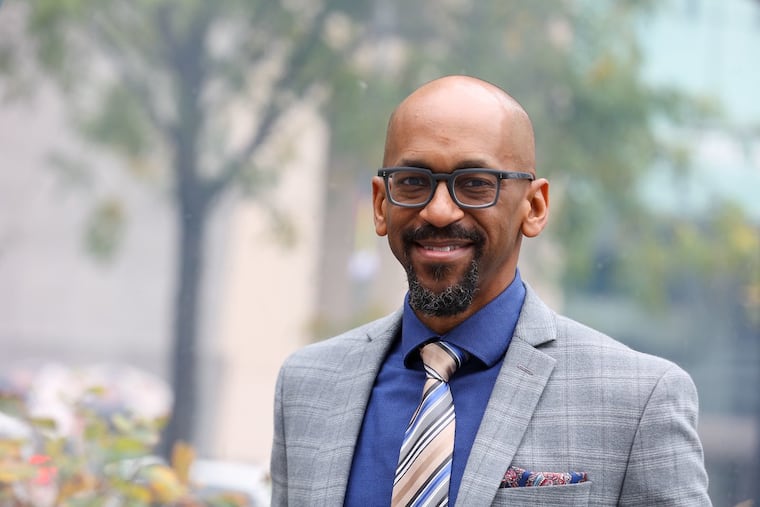
Sean Vereen, CEO of Heights Philadelphia, says Philadelphia doesn’t “have an economy that works for working-class people.”
Philadelphia is often referred to as an “eds and meds” economy — the region’s colleges, universities, and health systems employ hundreds of thousands.
But Sean Vereen, president and CEO of Heights Philadelphia, doesn’t want the city to just be defined by those employers. The nonprofit he leads helps connect young people with education and career opportunities.
“I often say Philly should be a city for working-class people. We have a lot of working-class sensibilities, but we don’t have an economy that works for working-class people,” said Vereen. “We are going to have to be much more dedicated across all kinds of sectors to really try to create that kind of city and region.”
The Inquirer spoke with Vereen about recent unemployment data released by the Bureau of Labor Statistics, and the opportunities available to young adults. He says companies should have a vested interest in employing and training these entry-level workers — it’s a savvy business decision.
“Companies are not doing this out of charity. They’re doing it because they need a better workforce, and they cannot just be dependent on people who have done everything right, or have had access to all the opportunities,” said Vereen.
The following conversation has been edited for length and clarity.
U.S. unemployment is at the highest level since 2021. What does that mean for workers and those looking for work in Philadelphia and across the country?
Entry-level work is getting harder for people to find and have. Whether it’s [because of] tariffs or it is economic trends with hiring in general, it’s clear that the labor market is weakening. I think that’s particularly true for families of color, particularly Black folks seeking employment.
Then, I think the other piece is that the cost of living increases. There’s a ton of pressure for people through their employment to be able to maintain lifestyles. As much as [the Philadelphia area] is a great place to live, economically we’re not producing enough jobs that can sustain people in a working-class, middle-class lifestyle.
I recently wrote about how college graduates are facing one of the toughest job markets in recent years. What can young people expect when they’re entering the workforce? How can they prepare?
When you’re looking at the employment rates of people without a college degree, or even without a high school degree, the employment rates are much worse. So … it’s still the best bet that you’re going to have to get access to employment, particularly in this region because we are very much an “eds and meds”-driven economy in the five counties. We have to diversify and build up what the economic opportunities are here, but that’s also a reality that young people are facing.
Particularly first-generation-to-college students, they need networks and support systems, because they don’t have the connections that other folks from higher-income groups may have. We’re never gonna get people who have experience unless we give young people an opportunity and a chance. Employers have to be more dedicated to that entry-level work and paying fair and decent wages for that.
Tell me a bit about underemployment. Have we seen a change in how many people are employed part-time who would like to have more work?
It is clear that the cost of living has increased significantly over the last four or five years since the pandemic, and people are doing a lot of different things to try to supplement what their income is.
Everybody has got some kind of side hustle. Now, the question I would have is: Does it add up to actually real economic prosperity?
Are there many people who are in jobs that don’t match the amount of education they have? What can be done about that?
I think that is happening, one, because [there are] just more college graduates, period.
We need institutions and universities more dedicated to giving opportunities to low-income and first-generation students. We don’t have this connection between education and employment as much as we need to.
We’re really trying to push [for] kids to go to institutions that have the support and ability for kids to be able to graduate. We think Temple [University] is one of those places.
Some people … in their economic status [have] built-in networks that allow them to be connected to industries and professions. They may know somebody who’s already an investment banker … or does government work. For everybody else who does not have those connections, we need to have stronger networks. We need to have more people in career fields who are willing to mentor and engage people who are not their cousin, or their sibling, or a family member, but people who are different from them, but will benefit the industry, and the field, and all of us.
The unemployment rate for Black workers increased by over 2 percentage points last year, up to 8.3%. What’s happening? What could help?
It’s the canary in the coal mine. What we saw during the pandemic, and coming out of the pandemic, was enormous amounts of opportunity for low-income, lower-wage workers … and now that’s wearing out. Then we think about the cutbacks in government work, cutbacks that are happening across many industries, that often Black folks are the folks who are first to be hitting those headwinds.
We still need to create long-term careers. We need to be thinking in this system. Even after the end of diversity, equity, and inclusion, we need to be creating opportunities in communities where that has not been the case. That’s both really thinking about lowering the cost of education … [and] making a stronger connection to what happens to you at the end of your educational journey.
We’re trying to press universities to be thinking harder about what happens to kids once they graduate. We’re trying to press the School District of Philadelphia to be thinking more about what happens, not just to get a kid to graduation, but have we connected them to an opportunity?
We cannot just be a place of “eds and meds” and Comcast. There has to be more economic opportunity for more people.
How should workforce development programs help people in Philadelphia secure good jobs? What kind of industries, skills, or training should they be focused on right now?
Whether you’re going to be a welder, or whether you’re going to be an electrician, or whether you’re going to work in a hospital, your reading and math skills still matter.
The other piece is just understanding what a field is. A med technician, they make, actually, good living wages. It is a job that you can do without a college degree, happening in many of the hospitals and research labs around the region. Kids don’t know about those things. No one is waking up in the morning and being like, “I want to be a med technician, [or a] sterilization technician.”
We have to do a better job of actually, at scale, introducing young people to fields and what opportunities are [available]. When they think about medicine, it’s not just about being a nurse or a doctor. There are thousands of jobs and opportunities there.
We have a ton of jobs that are going unfilled while we have employment going up, for example, in some of the hospitals. We’ve got to be better about trying to get people connected to opportunities. And that is possible to do. We just haven’t really looked at it, I think, in the right way.