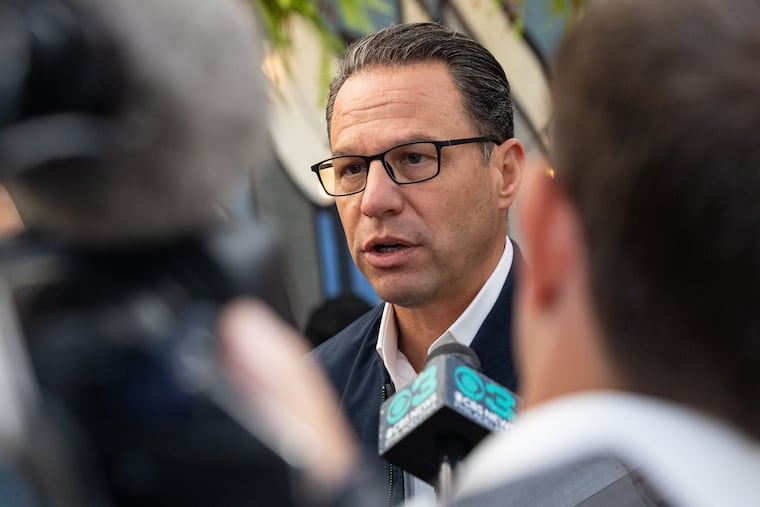
Josh Verne admits he used his Main Line friends’ cash to fund a lavish lifestyle rather than investing in his start-up
Businessman and investor Josh Verne changed his plea to guilty and faces a prison sentence after declining to invest start-up funds in his company, Ownable.

Start-up founder Josh S. Verne pleaded guilty Monday to federal fraud charges for diverting millions that he raised from his Main Line friends and neighbors to support his expensive lifestyle, instead of investing the money in his former smartphone- and laptop-leasing site, Ownable.
Verne, 47, was charged with fraud in a multi-count grand jury indictment unsealed last summer. He pleaded guilty to all three counts of securities fraud, 10 of the 22 original counts of wire fraud, and a charge of aggravated ID fraud. He had initially pleaded not guilty. The government dropped other wire fraud charges and charges of witness intimidation and retaliation, as part of the plea agreement.
Verne, who formerly owned homes in Gladwyne and Ventnor, was represented by federal public defenders. He faces a minimum of two years in federal prison for the ID fraud and a maximum of 242 years for all the charges under federal guidelines.
Despite the lengthy terms laid out in guidelines by Congress, white-collar fraudsters are seldom sentenced to more than a few years. Verne’s sentencing was tentatively scheduled in June before District Judge John Frank Murphy.
“No one can guarantee what sentence I will impose,” Murphy warned Verne before accepting his guilty plea and a pledge not to appeal.
Reciting the charges to which Verne had pleaded, Assistant U.S. Attorney Jerome Maiatico told the court that “to finance a lifestyle he could not afford,” Verne in 2016 made an initial presentation at the Main Line home of an investor whom people familiar with the case identified as David Adelman, owner of Campus Apartments, co-owner of FS Investments, and the leader of the Sixers’ recent attempt to build a new arena.
According to the government, Verne at that time and later lied about raising tens of millions by selling his previous companies, including Home Line Furniture Industries (Chuck’s Bargain House). That business, based in Northeast Philadelphia, was run by Verne’s family and his cousins. After a failed attempt to pivot to online distribution, Home Line ceased operations in 2011.
Verne also forged and presented Adelman and other investors with a phony Goldman Sachs statement purporting to show he had more $50 million in assets at that Wall Street investment bank, prosecutors said.
Adelman, identified in the federal indictment as “Investor A,” was fooled by the presentation and eventually invested or lent a total of more than $2 million to Verne, according to prosecutors. His interest gave Verne “instant credibility” and helped convince others to invest, they said.
“I appreciate the work that the U.S. Attorney’s Office and FBI have done on behalf of myself and other victims to make sure Mr. Verne is held accountable for his conduct,” Adelman said in a statement after Verne’s guilty plea.
The indictment, as well as an earlier Securities and Exchange Commission civil complaint that remains pending, had also accused Verne of exaggerating the value of his college content-sharing site FlockU and installment-payment service Workpays.me in memos to investors seeking funds for Ownable, an online rent-to-own business that was to lease laptops and smartphones to people who couldn’t afford to buy them.
Verne also lied about putting a few million dollars of his own money into the business, according to prosecutors. In fact, he borrowed cash from his employees and forged one of their names to sell shares without the employee’s permission, keeping the cash.
In a statement read by assistant federal public defender Michael McCrossen, Verne, while admitting to the charges for which he pleaded guilty, added that FlockU was not “a scam.” According to Verne, FlockU was a college student-oriented business that he and his partner, Adelman, started in good faith, but it failed to thrive.
Also, “for a period of time, Ownable was a viable business,” McCrossen said, acknowledging that Verne concealed the extent of the company’s later financial troubles. He said Verne had agreed to step down as Ownable’s chief executive when confronted by its independent directors. Verne also maintained that he did “make a personal investment into Ownable but agrees he exaggerated the extent.”
Instead of using all the investors’ money to build Ownable into a viable business, prosecutors say Verne used investors’ funds to pay for decorators at his “showcase” Ventnor home, private jet rides, political and charitable contributions, his daughter’s bat mitzvah party, country club payments, and his other investments.
In its separate complaint, the SEC said Verne spent more than $9 million of the $31 million “to buy a vacation home, pay for private travel, and pay his children’s private tuition,” and otherwise fund an expensive lifestyle, while also diverting more than $5 million in later investors’ funds to “Ponzi-like payments” to some of his early investors to fool them into thinking the business was profitable.
Investor lists obtained by The Inquirer identified the state-funded Ben Franklin Technology Partnership of Southeastern Pennsylvania, developer Bart Blatstein, Fanatics owner Michael Rubin, investor and restaurateur David Magerman, lawyers William Harvey and Roger Braunfeld, and other prominent Main Line and Philadelphia residents among the investors Verne duped.
Also roped in were Florida-based subprime-mortgage lender Jay N. Levine, Crestar private-investments owner William S. Green, and Ohio-based advertising business owner Kimberly Blackwell, among others outside the region.
Verne had been out on bail pending trial on condition he stay around Fort Lauderdale, where he had been living, and in the Philadelphia area, home to his extended family and former wife and their children.
In January, he persuaded Judge Murphy to release him from wearing an ankle monitor, so he could get physical therapy in advance of a hip replacement. Prosecutors agreed Monday to leave Verne free on those terms until his sentencing.