Exploding lithium-ion batteries are blamed for fires in area junkyards and drop in port traffic
Scrap iron, one of the Philadelphia area’s biggest exports, is plagued by battery fires, yard operators say
Scrap metal, one of the Philadelphia area’s biggest shipping products, has been piling up in area scrapyards since June 4 when Camden officials closed EMR USA Holdings Inc.’s metal-shredding facilities after the latest in a series of fires affecting the region’s million-ton-a-year scrap shipping industry.
Scrap dealers, faced with bulging inventories, blame the fires on the increased use of lithium-ion batteries — not so much large car batteries but the increasingly ubiquitous, highly combustible smaller batteries slipping into landfills from lawn mowers, construction tools, “smart” infrastructure, and household appliances.
The two-alarm May 29 fire, following a four-alarm Feb. 21, 2025, blaze that sent 100 neighbors fleeing for shelter, is the latest in what Camden code enforcement director Gabriel Camacho said have been up to a dozen “harmful, offensive, or obstructive” blazes at the Camden yard, which is at 1400 S. Front St. near the city’s Beckett Street Terminal. The fires spread smoke and hazardous materials.
Camden officials in statements on the fire have focused on the effects, not the causes, of the fires.
EMR CEO Joseph W. Balzano, whose company sued to reopen, last year agreed to pay the city $4.5 million up front and $2.2 million over five years, plus more for community and facility upgrades. After the May fire, the company promised steps to reduce fire risk.
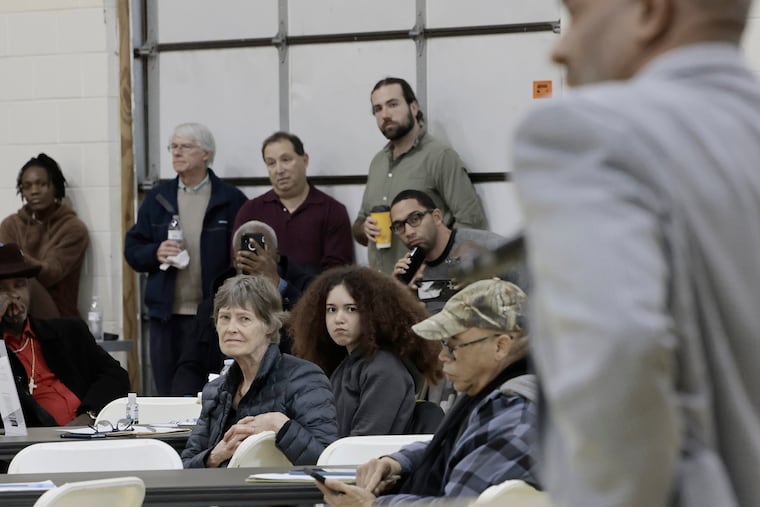
City Council is scheduled to review the proposal at a meeting Tuesday evening.
EMR, including its offices and auto-parts business as well as its recycling facilities, employs 575 workers — almost 200 are Camden residents — including members of the Teamsters union. Some workers operate shredding and sorting machinery and haul old iron and steel to the South Jersey Port Corp.’s nearby pier, which is named for Balzano’s late father, who headed the port.
EMR shreds and ships steel from smaller dealers, some to foreign users, but most of it, in recent years, to U.S. electric steel mills and other industrial recyclers.
“We haven’t laid anyone off — our people are like family — but we are getting to the end of our rope,” Balzano said last week.
Competing terminals at the port in Fairless Hills, Bucks County, and in Newark, N.J., have picked up some of the business, he said — at a higher price, including the cost of trucking scrap a longer distance.
England-based European Metal Recycling Ltd. acquired and began operating the Camden site since it purchased the former Camden Iron & Metal in 2006.
Scrapyard officials say they tracked the latest fire to a discarded lithium-ion battery, a factor in what they say is a surge of scrap fires.
“It’s the biggest issue all recyclers face,” Balzano said. “Regulations need to be put in place that keep these batteries out of commerce.”
The batteries are used in items like stoves, washing machines, dryers and “things you wouldn’t think of like light ballasts or guard rails,” he said.
“Just last week we had 440 people in a Zoom meeting about lithium battery fires. Since then, you had Doylestown Recycling and another facility in Long Island burn to the ground,” said John Thomas, president of the national Construction & Demolition Recycling Association.
“Nine times out of 10, it’s a power-tool lithium-ion battery,” he said. “Contractors throw ‘em in the dumpster, not realizing it’s hazardous once it’s broken out of its original container. Lead-acid batteries, not such a big deal. But lithium batteries burn so hot, you almost have to let ‘em burn out.”
New Jersey lawmakers have been advancing bills to better track lithium-ion batteries and to regulate scrap recycling yards.
Burns Co., a building-materials recycler whose yard covers more than 12 acres in Philadelphia’s Hunting Park section, needed city help putting out its most recent lithium-ion battery fire in May, said Allen Burns, who runs the family-owned yard, which employs nearly 100.
He points to scorch marks on a concrete-block wall at the facility.
“It took 30 firemen five hours to put out the fire,” Burns said. “They looked on our camera system, dug down, and found a lithium-battery-powered tool. There must be a landfill fire every day from a lithium battery.”
Burns said the Camden shutdown has backed up shipments at yards around the region.
“We have had to bail metal to conserve space,” he said. Disposal costs are up.
David Wiechecki, owner of International Scrap Iron & Metal in Chester, said, “You don’t want to leave [lithium-ion batteries] laying in your yard. It’s a real problem.”
“You go over the loads with a fine-tooth comb, but people who want to sneak them by will do it,” he said. “Meanwhile, prices are down because export demand is down,” leaving scrapyards with more iron and more fire concerns.
Lithium-ion battery fires were blamed last year for burning dozens of decommissioned SEPTA buses and led to the end of SEPTA’s Proterra electric-bus program.
Thomas said his group and national scrap-metal and waste-disposal trade associations want federal legislation forcing manufacturers to pay lithium-ion battery recycling fees.
“But they don’t want them back. It’s cheaper for them to buy virgin material,” he said. “So there’s a big tug of war in state legislatures with the manufacturers. In Pennsylvania, we had a bill stalled in the state Senate just in the last 10 days with no action.”
Staff writer Frank Kummer contributed to this article.
This story has been updated to correct the timing of EMR’s agreement with Camden last year.