PHA and Navy Yard security guards sue contractor over unpaid hours and overtime
Sovereign Security faces a class-action lawsuit seeking back wages and damages.
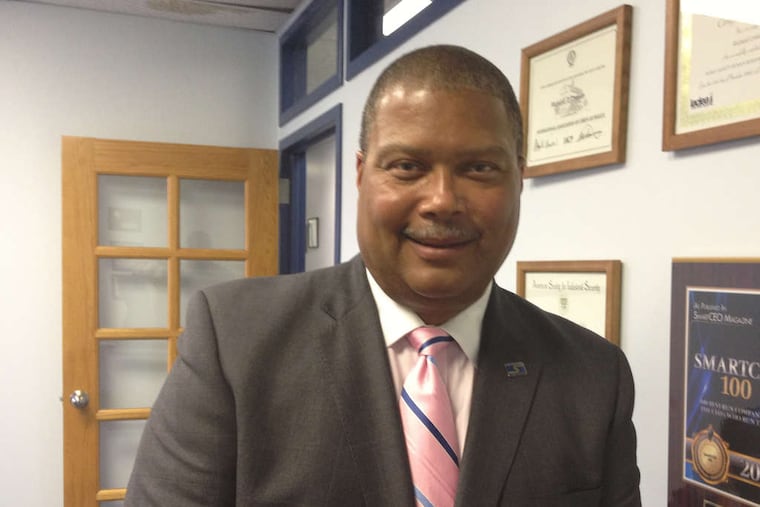
Armed and unarmed guards who weren’t paid for some of their hours patrolling Philadelphia public housing developments and other buildings have filed class-action complaints against their former employer, Sovereign Security LLC, owner Richard D. Cottom, and manager Maurice Dupree.
The guards are seeking back pay for unpaid work, sick and vacation days, overtime violations, damages under state law, and the return of uniform deposits.
The guards, led by plaintiff Shirell Williams, say Sovereign violated the state Minimum Wage Act and Wage Payment Collection Law and breached employment contracts over four years, starting in late 2021. Williams worked for Sovereign at PHA and at the city-owned Philadelphia Gas Works, the Navy Yard business center, the Philadelphia Department of Human Services, and the former Delaware County Memorial Hospital.
Through their attorney, Center City labor lawyer Josh Dubinsky, the guards seek unpaid wages, damages, interest, and attorneys’ fees stemming from “systemic wage abuse” while working at Sovereign. They seek certification as a class including more than 100 current and former Sovereign staff.
Cottom, a former Drexel University security executive who founded Sovereign in 2004, and other Sovereign officials didn’t return calls seeking comment.
The lawsuit also named a Sovereign manager, Maurice Dupree, as codefendant. Guards have described Dupree as their off-site supervisor, who managed assignments, hired and fired, and scheduled their work, and who they turned to for help when paychecks were late or bounced.
Pennsylvania’s wage and hour law requires companies to set regular paydays and meet them. Sovereign’s contract with PHA required it to comply with city rules and applicable laws.
PHA renewed Sovereign’s contract last spring even after The Inquirer reported on late and bounced Sovereign paychecks.
The housing authority canceled Sovereign’s contract on July 9, giving owner Cottom two days to stop work and file final reports.
The official cancellation letter stated only that PHA and its property management unit had determined “that it is in the best interest” of the agencies to terminate Sovereign.
Correspondence collected under an Inquirer Right to Know request also shows PHA had warned Cottom that “it has come to the attention” of PHA that Sovereign “may be delinquent in paying its employees in a timely manner,” that late payment was “a breach of the contract,” and that it is “imperative” to ensure guards are paid and show up.
That letter was dated Jan. 27, 12 days after The Inquirer first reported on the late payments.
Sovereign had held the largest of at least three outside security guard contracts at PHA, which also has its own police department and a staff security force. PHA has paid Sovereign more than $7 million since 2021.
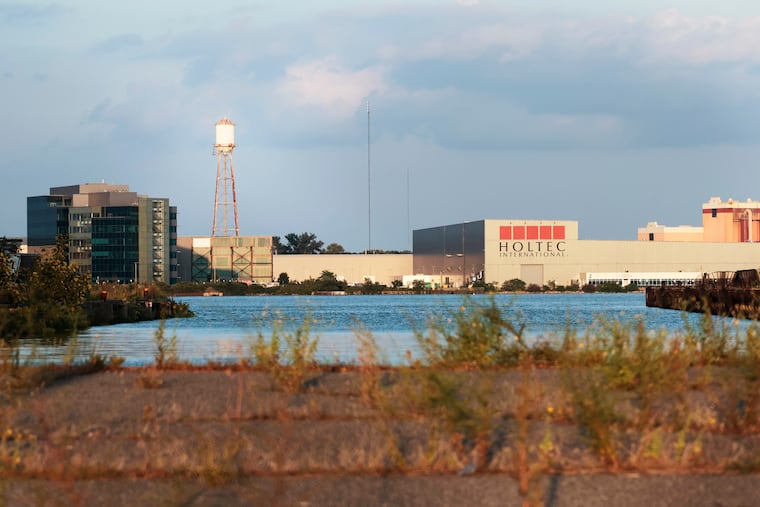
PGW ended its agreement with Sovereign in 2023. As of last summer, Sovereign no longer worked at the Navy Yard either.
The guards in the suit say a trial would show whether Sovereign had a “pattern or practice” of shorting their pay, failing to pay overtime, and not refunding uniform deposits. Other issues are whether Sovereign violated state wage laws and failed to keep required time and pay records, and the damages they are owed.
Williams, the lead plaintiff, was paid $14.40 an hour when she started in 2022.
Besides back pay, the suit also seeks to collect $500 or 25% of wages due for each violation, plus attorneys’ fees, under provisions of state law.