How are SEPTA cuts impacting the Philly workforce? Here’s an early look.
Employers are figuring out how the cuts impact their workers and trying to provide support, while some reconsider if Philadelphia is right for their business.
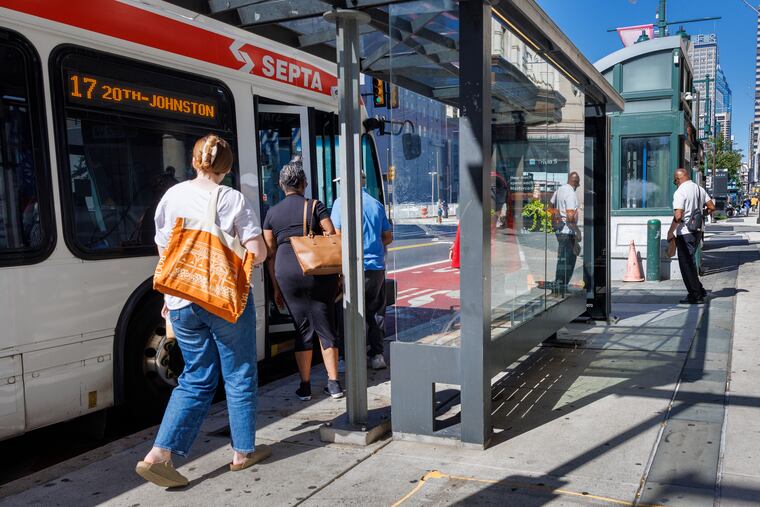
Commuters in the Philadelphia area have faced crowded buses and skipped stops this week, following the first round of cuts to SEPTA.
Local business leaders and union representatives are keeping a close eye on the impact to their workforces and members as the cuts begin.
“I worry as this drags on, what that’s going to ultimately mean for the viability of our businesses,” said Chellie Cameron, president and CEO of the Chamber of Commerce for Greater Philadelphia.
SEPTA, the nation’s sixth-largest public transit system, is facing a $213 million operating deficit for the 2026 fiscal year, which began July 1. State legislators remain at a stalemate over funding. SEPTA eliminated 32 bus lines and shortened 16 other routes this week, and frequency to Regional Rail midday service will be cut next week.
Some employers are rethinking whether Philadelphia is the right location for their business, Cameron said. One of them, she noted, has a location in the suburbs and may back out of opening a location in the city.
Cameron said she spoke with several business leaders who said they had employees arrive late or not at all because of transportation issues.
“I have heard from some midsize companies and larger ones who are starting to question: If we don’t have good transit connections, is Philadelphia the best place for them to be?” she said.
Encouraging carpools
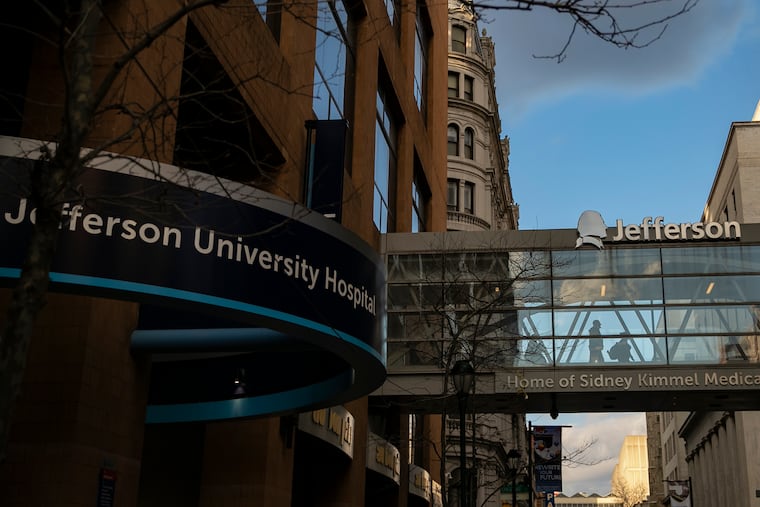
About one-fifth of the 50,000 employees at Penn Medicine use SEPTA to commute, estimates chief physician executive Deborah Driscoll. Amid SEPTA cuts, Penn Medicine is encouraging employees to carpool to work, she said.
“We worry about our staff being able to get to work,” Driscoll said. As of Monday, there hadn’t been “any major issues” with staff commuting to work, she said, although she acknowledged it may be more difficult or time-consuming.
Penn Medicine’s appointment cancellation rate was normal on Monday, Driscoll said, but that’s something her team is monitoring. Some patients converted their in-person appointment to a telehealth visit, and her team is trying to accommodate late arrivals.
In the past, Penn Medicine has provided patients with SEPTA passes for getting home after an appointment or discharge, said Driscoll. Now, the healthcare system may have to look for other options.
“We’re going to be watching what happens next week as well, because we anticipate that after Labor Day, we may see the impact with additional reductions in service,” she said.
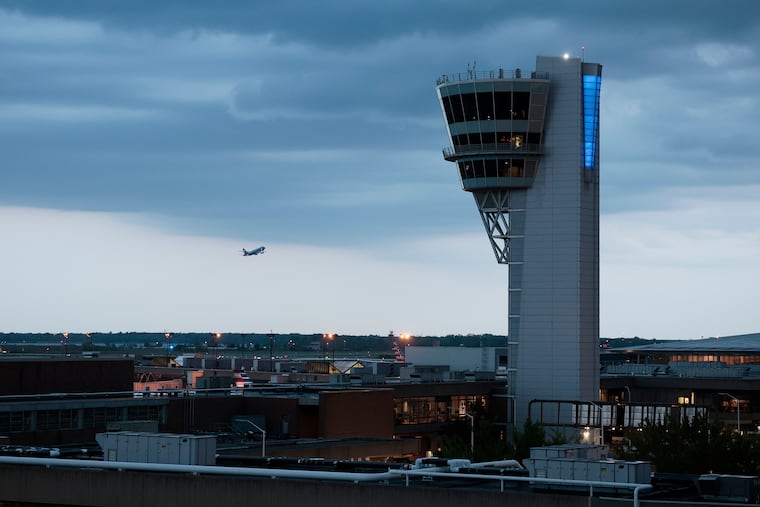
At Philadelphia International Airport and Northeast Philadelphia Airport, about half the 844 Department of Aviation employees use SEPTA, spokesperson Heather Redfern said.
The department surveyed employees and “will explore possible solutions or support we can offer,” Redfern said.
In total, over 550 companies conduct business at Philadelphia International Airport, where there are 18,400 badged employees, said Redfern. The airport is serviced by bus Routes 37 and 108, which now run less frequently, and the 115, which travels a different route less often.
The Regional Rail Airport line will also see its frequency cut starting next week.
Immense impact on union members
SEIU 32BJ represents some 12,000 Philadelphia workers, including security guards, school bus drivers, building cleaners, and baggage handlers at the airport. At least 80% of them use SEPTA to get to work, union district director Daisy Cruz estimates.
She said the SEPTA cuts are impacting them immensely, and while some are trying to see if they can carpool or use rideshare services to commute, “some of them don’t even have those means.”
Cruz said some employers are trying to coordinate alternative transportation options based on where employees live.
Some members of Unite Here, Local 274, such as employees at Center City hotels and South Philly stadiums, are spending much more time getting to and from work, said Rosslyn Wuchinich, the local’s president.
Unite Here has about 4,000 members in the SEPTA service area, and the vast majority of them use transit, Wuchinich said.
“People are already spending more money out of their paychecks on alternative forms of transportation, which are also clogging our roadways,” she said. “Our members are the people that can least afford to be paying for cabs and rideshare apps in order to get to and from work and to get their children to and from school.”
Unite Here is trying to ensure its members don’t lose their jobs due to lateness caused by SEPTA cuts, Wuchinich said.
Wendell Young, as president of UFCW local 1776, represents thousands of local workers at ACME, ShopRite, Whole Foods, Fine Wine & Good Spirits, and other stores. He and other union reps weren’t flooded with calls on Monday, he said, but that’s only because employers were providing flexibility and not disciplining workers who showed up late.
“Our members are in better shape than some others, because they have representation, and we’re going to work with the employers to figure out solutions for them,” said Young.
Some members might need to change their schedules or store locations because of SEPTA cuts, said Young, and the union will work with employers on that.
“These things aren’t going to be easy to do,” he said. “It’s not like the employers maintain schedules with extra slots on them. Every change you make has an impact on not only other people that work there, but the business.”
Young noted that it’s not just the trip between one job and home that his members have to consider. Many of them have more than one job, or they are students, parents, or caregivers to elderly relatives, and the transit changes make it more challenging to meet all of those obligations, he said.
“For someone who maybe doesn’t use mass transit, doesn’t think about those who do ride mass transit, they might dismiss this as just a little inconvenience,” Young said. “It’s not that simple,” he said.