Craft distilleries can help Philadelphians learn their complicated history
By placing Bluecoat Gin or Pennsylvania rye within histories of freedom, immigration, labor, taxation and urban redevelopment, historians can show that “local” alcohol was never just local color.
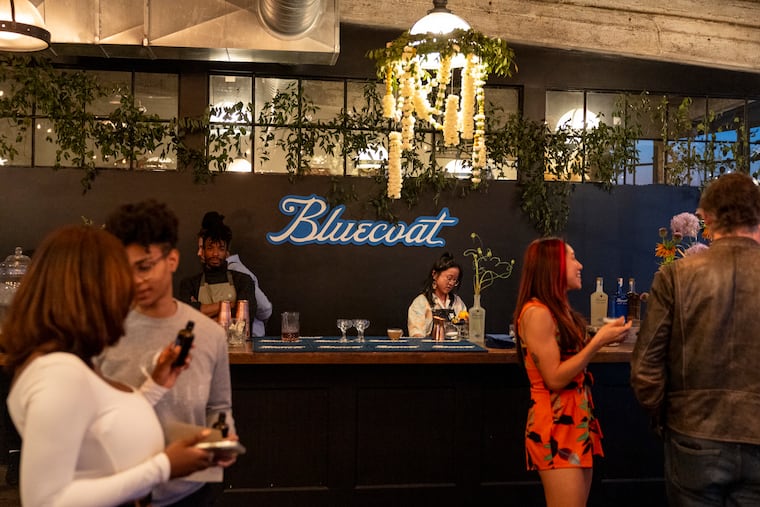
As Philadelphia prepares to mark the 250th anniversary of American independence, history will appear in predictable places: museums, monuments, walking tours, school curricula and speeches about the nation’s founding. But history will also appear in glasses, bottles, tasting rooms and distillery tours. Pennsylvania’s recent attention to “distilleries of historical significance” shows how alcohol has become part of the machinery of commemoration, folding spirits into the broader heritage economy of Philadelphia 250.
That may seem like a charming local story. In some ways, it is. But it also reveals something important about how Americans now consume the past.
Craft distilling did not simply revive small-batch spirits. It offered drinkers a different story about alcohol itself. Instead of asking consumers to trust national brands, mass consistency and corporate familiarity, craft distillers invited them to value local geography, history and community. They turned locality and ties to the past into a consumer promise. Deployed in the right way, historians can tap into this reliance on history and use the explosion of craft spirits to recount parts of the past that most consumers don’t know. Doing so can help Americans to understand the complexity and contested nature of their history.
Craft distilling emerged from a backlash against corporate control over American alcohol. By the middle of the 20th century, the “Big Four” dominated the American spirits industry: Schenley, Seagram, National Distillers and Hiram Walker. They controlled many of the brands, stocks and distribution networks that shaped post-Prohibition drinking culture. Beer was much the same. In the decades after World War II, a handful of large breweries came to dominate the national market, selling the value of consistency and familiarity to consumers.
By the 1970s and 1980s, however, homebrewers, microbrewers and eventually craft brewers, like Anchor Brewing, New Albion Brewing and Sierra Nevada, began to challenge that model. They offered drinkers a new language of alcohol consumption: small rather than massive, independent rather than corporate, uniquely flavorful rather than uniform and local rather than national. Historians of craft beer have framed this rise as a response to the stifling corporate sameness that had dominated the industry.
Even as craft brewing began to boom, however, craft distilling lagged behind. Spirits required more capital, more time and more regulatory navigation than beer. Distillers needed federal approval from the Alcohol and Tobacco Tax and Trade Bureau to operate a distilled spirits plant. They also needed state licenses to produce and sell alcohol and compliance with excise taxes that long fell heavily on small producers.
But by the 2000s, small distillers began adapting the anti-corporate language that craft beer had helped popularize. They promised drinkers an alternative to mass-produced spirits, which included the use of local grains and botanicals, hands-on production, small batches, tasting rooms and a more intimate relationship between maker and consumer. That strategy worked because it offered consumers something many clearly wanted — not just a drink but a sense of connection to a place, a maker and a distinctive story. By 2024, craft spirits had grown into a multibillion-dollar industry with more than 2,200 active craft distillers.
Part of this success stemmed from distillers adding something especially power to the language of craft: history.
Prohibition had severed the world of local, regional and farm-based distilling from the modern spirits market. Resurrecting some of this past stood at the center of the craft distilling revolution.
History served two functions for distillers.
First, it supplied marketable iconography. In a crowded spirits market, the past offered recognizable symbols that could make a product feel distinctive: Revolutionary uniforms for Bluecoat Gin, Thomas Jefferson’s reputation for refinement and experimentation for Jefferson’s Bourbon, and Whiskey Rebellion imagery for Pennsylvania distilleries like Wigle Whiskey and Liberty Pole Spirits.
Second, history offered a reclaimable tradition. Some distillers could point to real regional practices, styles and economies that had been weakened by Prohibition, industrial consolidation and changing consumer tastes. Both uses of history helped craft distillers distinguish themselves from corporate alcohol.
Philadelphia Distilling exemplified how craft distillers wielded historical iconography to win over drinkers. Founded in 2005, the company describes itself as the first craft distillery in Pennsylvania since Prohibition. That origin story situated the company in a longer narrative of loss and revival.
Its flagship Bluecoat Gin offered an alternative to large-scale gin brands that often appeared rootless by design. Bluecoat, by contrast, invited consumers to see the spirit as a distinctly Philadelphia product. It did so by tying the gin to familiar Revolutionary imagery: 1776, independence, blue coats — hence the name — founding fathers and the birth of the nation.
Pennsylvania rye illuminates how craft distillers also often present their products as resurrecting a rich past that has been lost. Unlike a brand that simply borrows historical cachet from a famous name, Pennsylvania rye rests on a real regional heritage. Before Prohibition, Pennsylvania was one of the centers of American rye whiskey production. Contemporary distilleries like New Liberty have sought to recover that inheritance. The distillery markets its Kinsey Rye, for example, as a homage to the “tradition and heritage of Pennsylvania Rye Whiskey,” asking consumers to buy not just whiskey but a revived regional identity.
That kind of recovery provides historical value — which helps to explain why local-based marketing has proved so effective. Consumers increasingly want products that feel rooted and singular, not anonymous commodities moving through national supply chains. A bottle of Pennsylvania rye can offer precisely that: flavor, locality and a sense of heritage.
The popularity of these spirits offers an opportunity to recall a much bigger and more complex past. The marketing tied to craft distilling has become a form of public memory. It reconnects consumers to forgotten traditions, challenges corporate sameness and revives regional styles. But it also determines which parts of the past become easiest to see, taste and celebrate.
While familiar images tied to Philadelphia’s role in the American Founding help to sell spirits, interest in Philadelphia and Pennsylvania’s distilling past allows historians and craft distillers to resurrect the complicated politics of alcohol production — which reveal so much about American political, cultural and economic history.
Pennsylvania rye, for example, was never only a tale of craftsmanship. Its production was bound up with grain farming, rural credit, transportation, taxation, labor and class politics, along with resentment toward distant government authority. The 1794 Whiskey Rebellion — invoked by Wigle Whiskey — was a revolt by western Pennsylvania farmers and distillers against a federal tax on distilled spirits, which they saw as an attack on their livelihoods and local autonomy. Not just a colorful episode in whiskey lore, it was a conflict over who controlled economic life in the new republic, alongside concurrent struggles over race and class. To drink Pennsylvania rye as local heritage can be meaningful, but the deeper history reminds us that regional spirits were also shaped by struggle, solidarity and power.
Prohibition is another chapter in a more complex history. It’s not just about lost craftsmanship. Rather, it’s a story of policing, selective enforcement and state power. Philadelphia’s own Prohibition history makes this clear. In 1924, Mayor W. Freeland Kendrick brought in Marine Gen. Smedley Butler to clean up a city where speakeasies often operated with help from police, politicians and bootleggers. Butler’s police closed more than 2,500 speakeasies in his first year. But the law operated unevenly: many illegal speakeasies survived through bribery and political protection, while others became targets of raids. Prohibition, therefore, was not simply about lost craftsmanship; it was about who could buy protection from the state and who could not.
Understanding these chapters from the past in their full richness enhances the power of craft distilling to educate Americans and to connect us to chapters of our history still reverberating today. Craft distillers often recover the symbols and styles of the past; historians can recover the conflicts that gave those symbols meaning.
By placing Bluecoat Gin or Pennsylvania rye within longer histories of slavery and freedom, immigration, labor, taxation, regulation, agriculture and urban redevelopment, historians can show that “local” alcohol was never just local color. It was produced through struggles over belonging, political power, economic control and public memory. Treating craft spirits this way does not make them less meaningful. It makes them better evidence of how Americans use consumption to decide which pasts are worth reviving.
E. Kyle Romero is an assistant professor at the University of North Florida. He studies the history of American foreign policy, immigration politics, and global consumer economics.
Made by History takes readers beyond the headlines with articles written and edited by professional historians. Opinions expressed do not necessarily reflect the views of The Inquirer.