Member-owned Spirit Financial grew with Levittown. Should it sell to a national credit union?
Regulator reports show Spirit Financial is by some measures a stronger institution than its larger suitor, Credit Union 1.
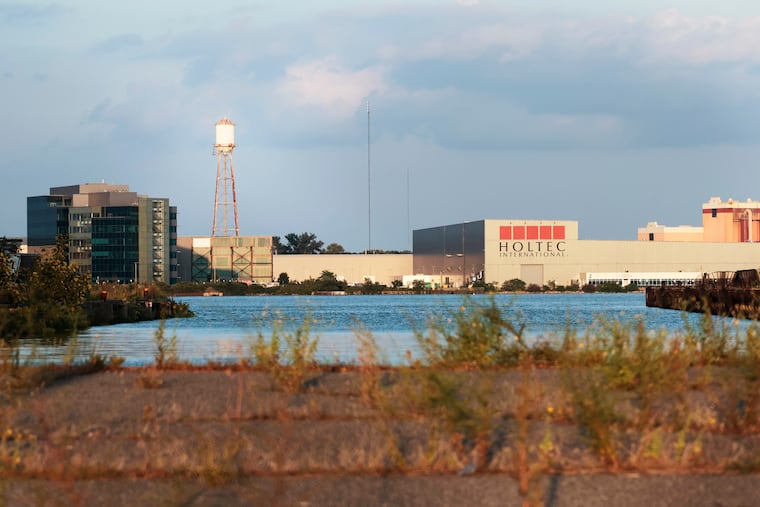
In 1954, as Levittown was rising on former Bucks County farmland, workers at the massive nearby U.S. Steel Fairless Works formed a credit union, a community lender owned not by profit-seeking investors but by its own depositors under their elected board.
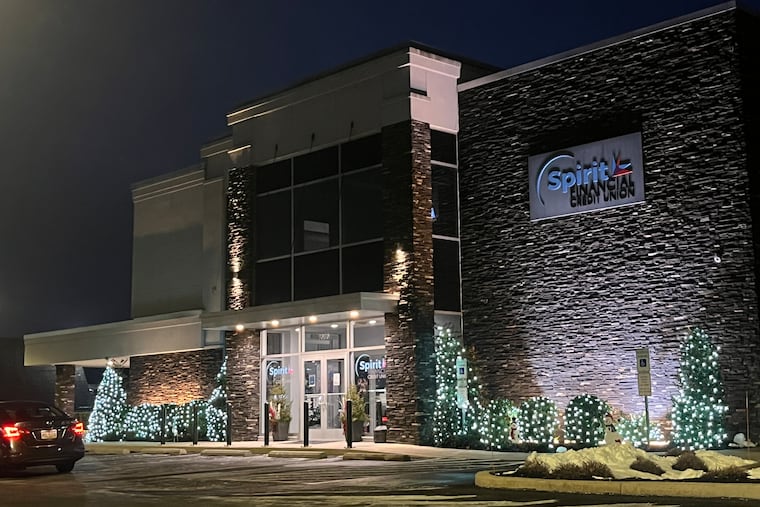
Renamed Spirit Financial Credit Union after the steelworks shut in 2001, its one and only office on New Falls Road remains a Levittown institution, now open to all Bucks County residents, workers, and worshipers.
But Spirit Financial might not be a locally owned fixture much longer.
President David Obarowski has invited its 3,800 members to vote Monday on whether to merge with Credit Union 1, a $2 billion institution with national aspirations based in suburban Chicago. Credit Union 1 has absorbed small credit unions as it builds its multistate network.
Credit Union 1 has won 12 of the 13 merger elections it has initiated since Todd Gunderson took over as chief executive in 2020, Gunderson said in an interview.
Regulator reports show that Spirit Financial is by some measures a stronger institution, with more capital reserves relative to its loans, than its larger suitor.
Gunderson said Credit Union 1, as a bigger institution, can afford to put more of its money to work as loans and for expansion and has grown faster than Spirit as a result.
Spirit has about $70 million in loans and other assets and $60 million in deposits, which credit unions call shares and their interest, dividends. That’s a little more than the deposits averaged for the 12 branches of Bucks County-based William Penn Bank before that community lender’s purchase by Harrisburg-based Mid Penn Bancorp earlier this year.
Gunderson said Credit Union 1 offers more kinds of deposit accounts, including high-yield checking, some of which pay more than Spirit Financial currently offers, and more kinds of mortgages, some with low introductory rates. For auto loans, the two credit unions charge the same 4.25%.
Gunderson, who lived in Glen Mills and worked at Wells Fargo’s nearby auto-finance offices in the 2000s, also said Credit Union 1’s deals with other credit unions will make it easier for Spirit Financial customers to save on ATM fees when they are away from home.
He said a bigger bank can afford better technology. “Our real competition is Google, Amazon, TikTok, they make transactions easy,” he said. The online lender SoFi “signed up more customers than all the credit unions in the U.S. last year. And its rates are good,” forcing credit unions to cut costs to compete.
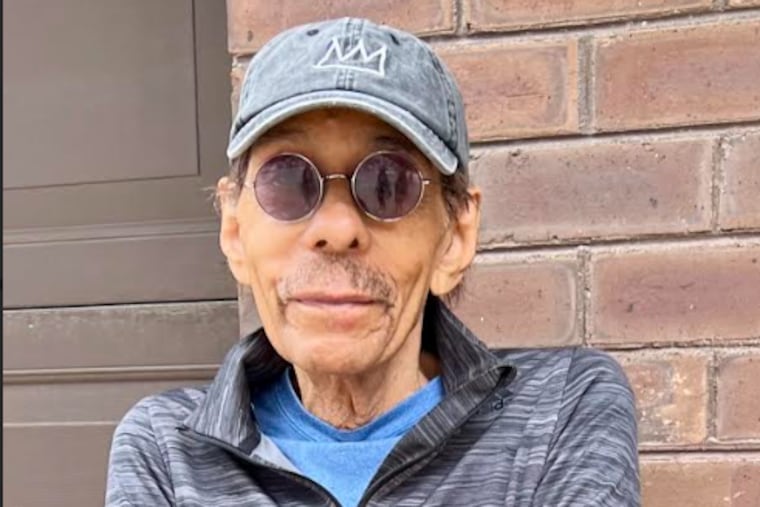
Some members are opposed to the deal. “It doesn’t make any sense to many people in the community,” said Richard Kilian, a hardware distributor.
Kilian said he has had as much as $2 million on deposit with Spirit Financial, making him among its biggest customers. He began banking with credit unions as service slipped at the former William Penn Bank, he said.
“My son, they couldn’t give him a mortgage answer in three weeks,” he said. “Inspire Federal Credit Union gave them an answer in six hours.”
Spirit Financial has tried to attract new members in recent years with special interest rates, Killian said, but it’s been difficult, with an aging board and a staff that hasn’t been much in evidence at business-group meetings where lenders seek customers. Killian offered to join the board but was blocked, he said, because of a 35-year-old auto-theft conviction.
He also raised questions about the millions guaranteed to Spirit Financial management if the deal goes through.
That executive package was a subject of a critical article by Chip Filson, a former credit union regulator who regularly criticizes credit union merger plans in articles on his website.
“The total financial benefit to CEO Obarowski is a minimum of $4.45 million plus additional bonus incentives” for closing the merger and for attracting other credit unions to Credit Union 1, Filson wrote.
Obarowski didn’t respond to calls seeking comment.
In an interview, Filson called the offer and smaller amounts for other Spirit Financial leaders a “golden parachute” that gives management powerful incentive to support what Filson calls credit union “megamergers.” He said such mergers leave communities without locally controlled financial institutions, “subverting” the reasons credit unions were founded.
Gunderson said the pay package, which would be paid over time, guarantees Obarowski’s future compensation plan as already ratified by Spirit Financial’s board.
Filson also said Credit Union 1’s proposal doesn’t give enough detail on its actual plans for Spirit One products or its own track record, including results from previous mergers.
“Us old-timers feel these deals are a perversion of the entire cooperative model,” Filson said. “They tell us they’re bigger, and you won’t be able to compete without a big brother. But the advantage credit unions have always had is their local knowledge because they’re raising local funds to be reinvested in their community.”
Kilian agreed Spirit Financial could benefit from new energy, which he said ought to come from a new generation of Levittown leaders, not outside owners.