A basketball trainer who bribed NCAA players on behalf of professional gamblers pleaded guilty in federal court
Jalen Smith was one of more than two dozen people charged in a sprawling gambling investigation that affected college games across the country.
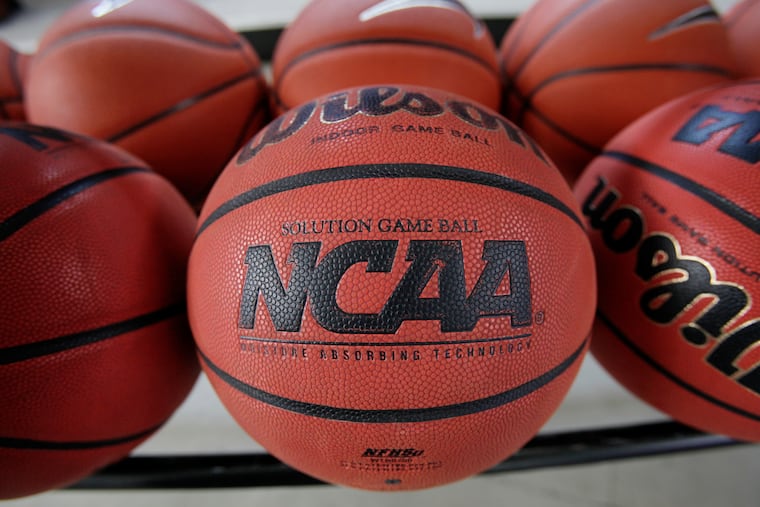
One of the organizers of a scheme to secretly rig college basketball games on behalf of professional gamblers pleaded guilty in federal court in Philadelphia Monday — the latest development in a sprawling investigation that made headlines across the sports world.
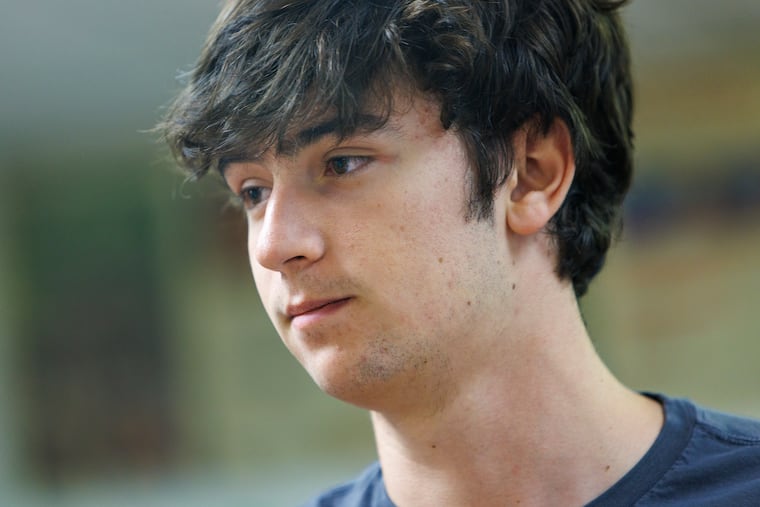
Jalen Smith said little during a brief appearance before U.S. District Judge Nitza I. Quiñones Alejandro as he pleaded guilty to bribery and wire fraud charges.
Smith, of Charlotte, N.C., was a basketball trainer who in 2023 began working with professional gamblers, trainers, and others with ties to the sport to recruit NCAA players to underperform in upcoming games, prosecutors said. Smith and his co-conspirators, prosecutors said, then paid players bribes worth thousands of dollars while also placing large wagers on the games.
Smith was accused of being one of the scheme’s lead recruiters, exploiting his ties to the basketball world to approach and encourage players to alter their performance in exchange for cash. He then continued instructing players to play poorly via text messages and FaceTime calls, prosecutors said in court documents, and sometimes traveled to places — including the Philadelphia International Airport — to pay players their bribe money.
Smith was one of more than two dozen people charged in the case. The U.S. Attorney’s Office in January charged 20 basketball players and six so-called fixers, including Smith, saying the scheme affected at least 29 games and resulted in gamblers collecting millions of dollars in illicit winnings.
The case has attracted attention not only due to its scope, but also because it was one of several high-profile gambling prosecutions filed against athletes in recent months. In the other cases, filed in other jurisdictions, defendants have included NBA players and, in one instance, an NBA coach who was accused of playing in poker games rigged by the Mafia.
In the Philadelphia-based case, Smith is at least the sixth person to plead guilty. In addition, one of the scheme’s other main organizers — Antonio Blakeney, a former professional player in the NBA and China — has been charged by information, which typically signals that the defendant has agreed to plead guilty.
Smith on Monday also pleaded guilty to an unrelated gun charge, admitting he possessed a handgun even though was not eligible to do so because of a drug conviction in North Carolina. Authorities found the gun while executing a search warrant at his house in connection with the gambling probe, prosecutors said.
In court Monday, Smith generally offered only short answers to routine legal questions from Quiñones Alejandro as he entered his plea.
His attorney, Rocco Cipparone, said afterward that Smith “decided he wanted to move forward in his life, accept responsibility, put this behind him, and this is the first step in that process.”
Prosecutors said the basketball point-shaving scheme originated in 2022, when a group of so-called fixers approached Blakeney, then a star player for the Jiangsu Dragons in the Chinese professional league, and offered him bribes in exchange for deliberately underperforming in future games.
Smith was not involved at that time, prosecutors said, but one of the organizers was Shane Hennen, a former Philadelphia resident and prolific sports bettor. After Blakeney agreed to throw his performance in certain games, prosecutors said, Hennen and others placed six-figure bets against the Dragons, including at the Rivers Casino sportsbook in Fishtown.
Months later, prosecutors said, the conspirators decided to expand their operation, approaching people connected to college basketball — including Smith — to help rig NCAA games, effectively using their approach from China as a template to bet on games in the United States. Most of the players attended smaller schools, or played for programs that were not considered high-profile, prosecutors said.
Smith nonetheless became an enthusiastic organizer, prosecutors said, seeking out players to bribe, delivering players their cash payments, trying to find new players to join the conspiracy, and sending players text messages — sometimes during games — reminding them about their agreement.
“Lose by 6,” Smith texted two players before one game in 2024, according to court documents. Moments later, prosecutors said, he sent another text with a picture of a stack of cash.
Prosecutors did not specify how much Smith may have profited from his involvement in the scheme, which spanned two NCAA basketball seasons. And Smith said in court that in many instances, he didn’t know or ask how much money he was handling on behalf of his benefactors.
But prosecutors said Smith and others typically paid players bribes worth at least $10,000, and said overall profits from the scheme likely reached into the millions.
Hennen and many other co-conspirators have pleaded not guilty and remain awaiting trial.
Smith, meanwhile — who remains free on bail — is scheduled to be sentenced in June.