Philadelphia’s top public defender warns of service cuts if city budget passes unchanged
Chief Defender Keisha Hudson said services in specialty courts and emergency bail hearings would be affected July 1 if more money is not allocated.

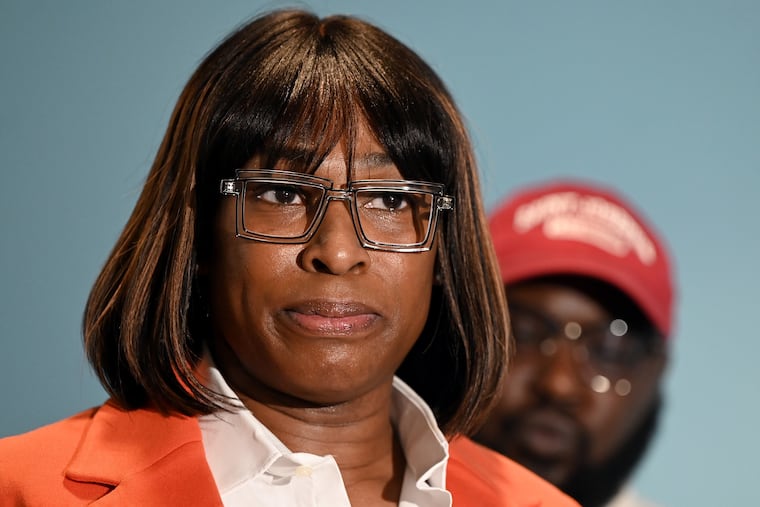
Philadelphia’s chief public defender warned this week that the city’s indigent defense system will begin scaling back services next month unless City Council approves additional funding for the Defender Association of Philadelphia.
In an email sent Tuesday to judges, City Council members, and Mayor Cherelle L. Parker, Chief Defender Keisha Hudson said the agency would reduce or withdraw from several programs beginning July 1 if lawmakers on Thursday adopt the mayor’s proposed budget as is.
The planned changes include ending representation at expungement hearings and reducing participation in specialty courts and programs, including Neighborhood Wellness Court and the Accelerated Misdemeanor Program, according to the email.
Hudson said the Defender Association would also stop staffing emergency bail hearings, a practice she credited with helping to significantly reduce the city’s jail population.
The warning escalates a monthslong dispute over funding for the Defender Association, which has argued that its expenses and responsibilities have expanded without a corresponding increase in city support.
Despite that growth, Hudson said in an interview, the Defender Association is the only major criminal justice stakeholder that would receive no additional money under Parker’s proposed budget. That decision “felt very much personal and political,” she said.
A spokesperson for Parker did not respond to a request for comment Wednesday.
Parker’s proposed budget allocates $69 million to the Defender Association for the coming fiscal year, unchanged from its current funding level. Hudson had sought about $5 million more, saying the bulk of the money was needed to cover rising labor costs — including contractual obligations to unionized attorneys and staff — and higher rent, insurance, and technology expenses.
The disparity had left the agency facing “difficult decisions” about what services it can continue to provide, Hudson said. “There are human and financial costs to us not being in certain spaces,” she said.
Hudson wrote in the email that additional reductions could follow in the coming months, including in Veterans Court, Treatment Court, and other tasks that are not constitutionally required — such as representing people at preliminary arraignments.
A spokesperson for the courts did not respond to a request for comment on the cutbacks’ potential impact.
A written statement by UAW Local 5502, which represents public defenders, immigration attorneys, and child advocates at the Defender Association, said this was the third year in a row that funding for the agency had remained flat — which it called “a funding decrease when accounting for record-high inflation.”
The announcement came as other criminal justice agencies also made final appeals for funding before City Council’s scheduled vote on the budget Thursday.
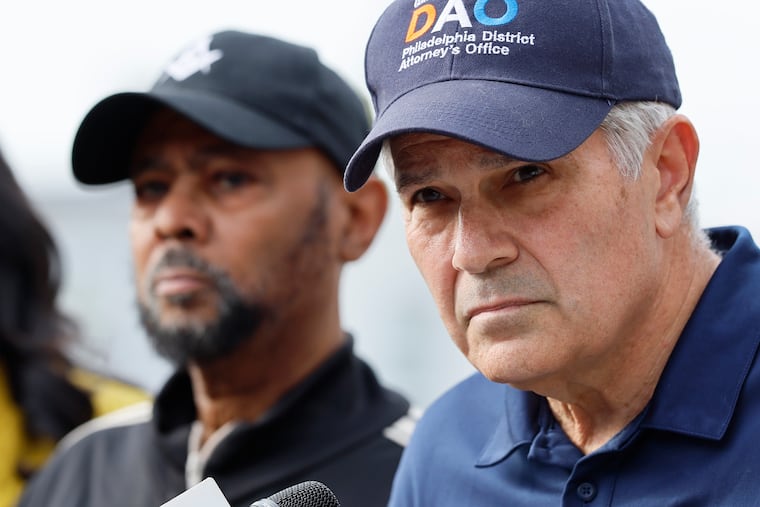
On Monday, District Attorney Larry Krasner publicly urged Parker to provide additional funding for his office, delivering a letter to the mayor requesting $5.6 million beyond the amount included in the proposed budget. Krasner said the money would support shooting investigations, domestic violence prosecutions, victim services, and other public safety initiatives.
Parker has allocated $62.4 million to the district attorney’s office — about $3 million more than last year.
Parker’s proposed budget would spend roughly $7 billion next fiscal year, with major investments in housing, public safety, and other priorities. City officials have cited financial constraints and uncertainty about future revenue as they weigh competing requests for additional funding.
Vincent Thompson, a spokesperson for City Council President Kenyatta Johnson, said that Council members had advocated for the Defender Association’s funding priorities during budget negotiations but that “any additional funding increases must be agreed upon through the budget negotiation process.”
Last Thursday, after City Council rejected a series of tax increases the mayor had proposed, Parker told a reporter that the association’s request was among several funding priorities her administration weighed with Council members “to do the best we could with what we had.”