An owner of Santucci’s Original Square Pizza was ordered to serve one day in jail for tax evasion
Frank Santucci Sr. said he was "embarrassed" and "deeply sorry" for concealing some of his pizzerias' cash earnings and underpaying taxes.
One of the family leaders of the Santucci’s Original Square Pizza empire was sentenced Monday to one day in jail and 18 months of supervised release for significantly understating the business’ earnings over the course of several years, causing him and other company officials to underpay taxes by nearly $1.4 million.
Frank Santucci Sr., 67, who had taken over the family business from his parents nearly 50 years ago, said he was “embarrassed” and “deeply sorry” for his actions, which federal prosecutors described as a long-running cash skimming operation. He pleaded guilty last year to charges of tax evasion and filing false tax returns.
“I spent my life trying to be an honest man,” Santucci said Monday during his sentencing hearing in federal court, “and knowing I fell short of those values is something I deeply regret.”
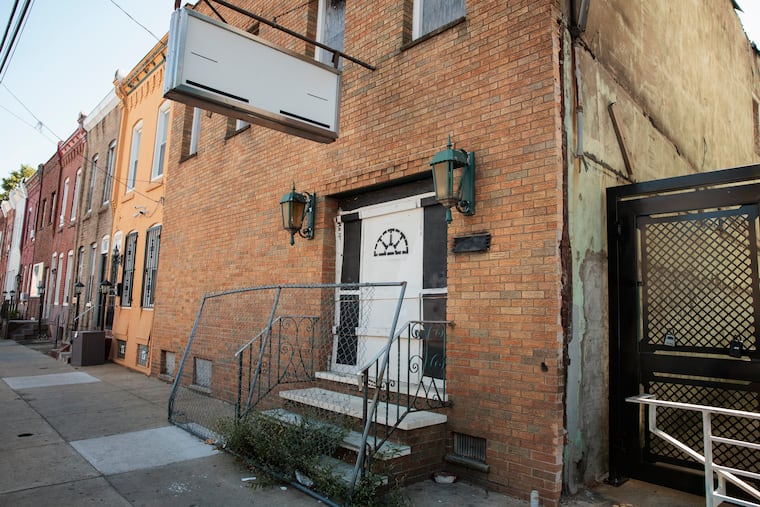
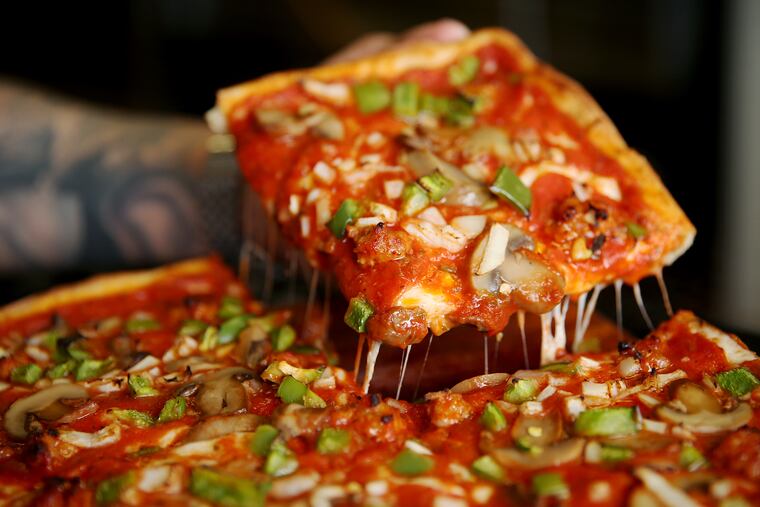
Prosecutors said in court documents that Santucci was a company patriarch who had “informal bookkeeping responsibilities” at the family’s pizza shops in South Philadelphia, Roxborough, and on North Broad Street. The restaurants are well-known for offering square, thick-crust pies with layers of sauce and toppings piled on top of cheese.
Although the business had for years employed a cash-only policy, prosecutors said, Santucci began keeping two sets of books as the company began using an electronic point-of-sale system in 2017. One of the sets of records included details for issues like payroll and expenses, which Santucci showed to his tax accountants, prosecutors said, and the other — which Santucci concealed from his accountants — is where he deposited some of the restaurants’ cash earnings.
As a result, prosecutors said, Santucci understated the shops’ earnings by about $5 million between 2015 and 2018. And that caused him to underpay his personal taxes by nearly $400,000, they said, while his co-owners underpaid theirs by about $700,000, and the business underpaid employment taxes by about $300,000.
Santucci — who was the only person charged in the case — has already repaid his personal tax bill, said his attorney, Richard J. Fuschino Jr. And Fuschino said Santucci was a man whose life had otherwise been defined by his hard work at his namesake shops, and an unerring dedication to his family and community.
“Mr Santucci is, on the whole of it, as good as [people] get,” Fuschino said.
Assistant U.S. Attorney Patrick Murray did not disagree that Santucci supported his family, and said it was notable that he had accepted responsibility for his crimes. But he said Santucci nonetheless engaged in a long-running scheme that deprived the IRS of revenue and, by extension, allowed Santucci’s business and relatives to keep more money than they were entitled to.
U.S. District Judge Karen S. Marston did not discount the seriousness of the crimes, but said Santucci’s age, health concerns — he suffered two strokes in recent years — and his role as a grandfather who is actively involved in caring for his young grandchildren all factored into her sentencing decision. She said his day in custody would be Monday and also ordered him to perform 300 hours of community service.
“I do believe that Mr. Santucci has shown the remorse that’s necessary in this particular case,” she said.
The Santucci’s pizzerias and their many franchise locations remain in operation and were not impacted by the case, Fuschino said.