Iran war has cost your household $1,000 — and counting | Expert Opinion
The war’s impact on gas and grocery prices has hit consumers’ wallets in a meaningful way.
One thousand dollars. By my calculation, that’s the effective cost of the Iran war to the typical American household so far. While the U.S. and Iran have agreed to a ceasefire and are talking to end the war, the costs are still mounting.
The cost of a gallon of regular unleaded is the most obvious example. Before the war, the national average price per gallon was comfortably below $3. Gasoline was about the only thing we buy regularly that hadn’t become much more expensive since the pandemic.
Not anymore. While gas prices are down from their peak when Iran shut down oil tanker traffic through the Strait of Hormuz, they’ve only recently dropped back below $4 per gallon. And the road back to prewar prices will be long. The insurance that oil tankers require to operate will be much more expensive given that the Iranian regime can seemingly shut down the strait at will.
There is also the prospect that Iran will charge a fee to tankers passing through the strait, which will ultimately be reflected in the price we pay at the pump. And then there is the damage to the Middle East’s extensive oil production infrastructure caused by Iranian reprisals, which will slow the full resumption of production.
Since the war started four months ago, American households have shelled out an additional $300 due to higher gas prices. This is particularly irksome because there’s no easy way to drive less. We still have to get to work, take the kids to school, and shop for groceries.
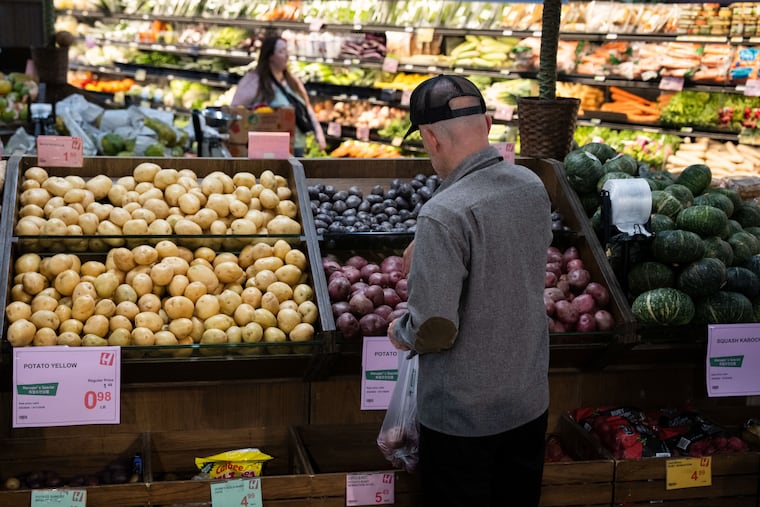
Speaking of groceries, they cost a lot more now, too. That’s because of higher diesel prices, which are up even more than gas prices. This has pushed up the cost of trucking products from farms, factories, and seaports (we import a lot of food) to store shelves. Higher diesel prices also mean that anything delivered to our homes on an Amazon or UPS truck is more expensive. And if your household is anything like mine, that’s a lot of stuff. In total, the higher diesel prices have cost households approximately $200.
Then there is the cost of jet fuel, which has surged due to the war, prompting airlines to jack up their fares. With airlines operating near capacity, they’ve been able to quickly pass their higher costs on to travelers. That represents $100 in added costs for the typical household.
Higher energy, food, and travel costs are fueling inflation and complicating the Federal Reserve’s task of keeping inflation low. At 4%, the inflation rate is twice the Fed’s 2% target.
This means higher interest rates. Before the Iran war began, investors widely expected the Fed to cut rates by half a percentage point this year. Now, they expect the Fed to raise rates by about the same amount to slow the economy further and bring inflation back down.
This is a big deal if you have any credit card debt, as you are already paying a near record 20% interest rate. You will also pay more in interest if you have a home equity line of credit, or if you are a small-business owner with prime-rate bank loans. Getting an auto loan is also more expensive.
But rates have increased most for mortgage loans. Refinancing a mortgage or purchasing a home was a significant stretch for most households before the war; it is now completely out of reach. The higher interest rates resulting from the war have cost households $150.
There is also the cost we bear as taxpayers, namely, what our military is spending in the Middle East. Prosecuting such a complex war so far from home is expensive, particularly given the considerable volume of sophisticated munitions used. While the military costs have moderated with the ceasefire, they still amount to nearly $50 million more per day. All told, the war’s military cost has reached $250 per household.
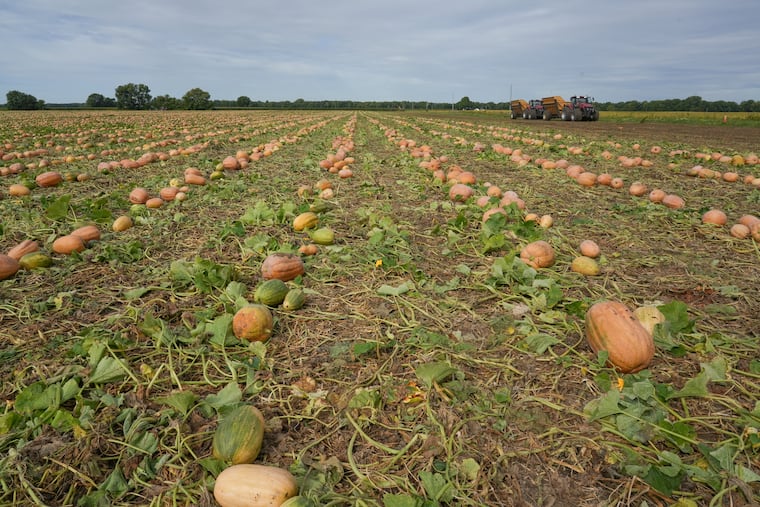
The war has other economic costs, but they are difficult to measure and are not included in these numbers. Consider the higher cost of fertilizer, which is critical to global crop production and will ultimately be reflected in higher food prices. The Middle East has historically been a powerhouse fertilizer producer.
There is also the higher cost of helium, which is produced in quantity in the Middle East and is a critical input in semiconductor production. Chips go into just about all consumer products and are the lifeblood of the artificial intelligence boom.
My estimate that the Iran war has cost the typical American household $1,000 and counting is, if anything, conservative. The true cost is likely higher — meaningfully higher. It’s fair to ask whether it was worth it.