Philly’s economy is among the nation’s strongest for the first time in generations | Expert Opinion
Despite deep poverty and a high wage tax, Philadelphia benefits from relying on eds and meds as well as a low cost of living compared to other big cities.
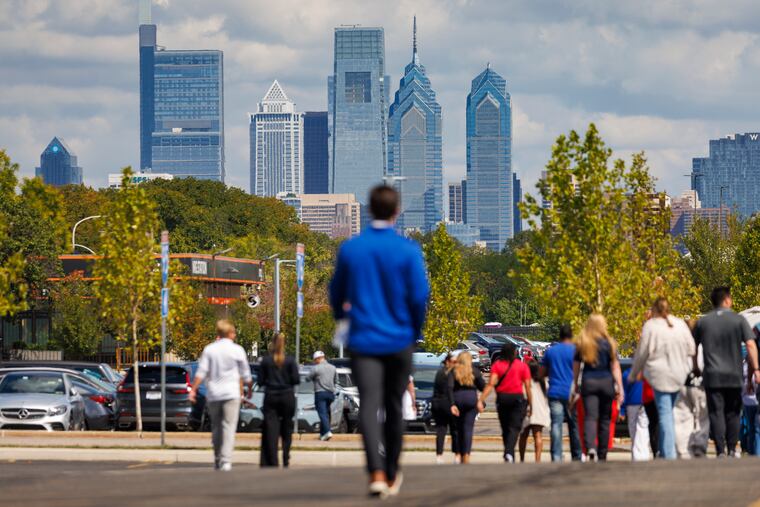
Philadelphia is a happening place. No, I’m not referring to the winning sports teams or the great restaurants. I’m talking about the economy. For the first time in generations, Philadelphia’s economy is among the nation’s strongest.
Among the 25 largest metropolitan areas in the country with populations of more than 3 million, Philly enjoyed the strongest job growth last year. Soak that in for a second. Our hometown’s economy grew faster than those of high-flying cities such as Atlanta, Dallas, Denver, and Phoenix.
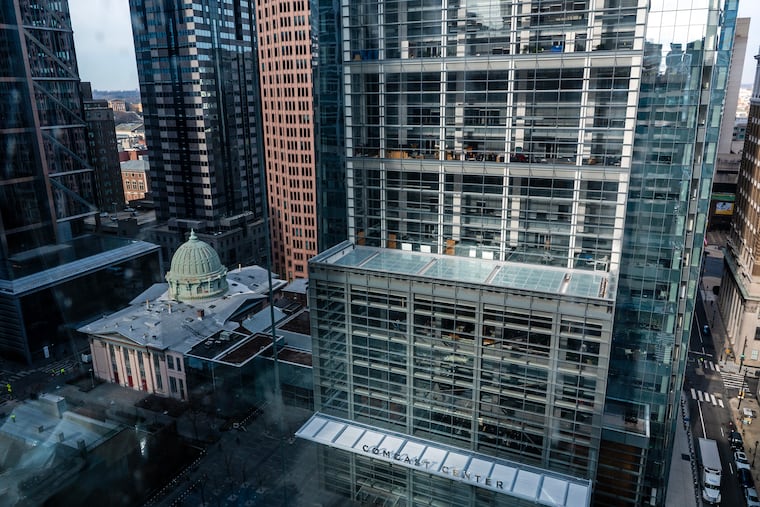
This economic success is also evident in the major development projects underway across the region, including the redevelopment of the old oil refinery in Southwest Philly, the planned transformation of the area around the stadiums, and all the action at Penn’s Landing, in Center City, and the Science Center.
To be transparent, Philadelphia’s economy looks good, in part, because the nation’s economy is struggling to create jobs. Since so-called Liberation Day in April, when President Donald Trump announced massive tariffs on all our trading partners, many nervous businesses stopped hiring, and job growth has come to a standstill.
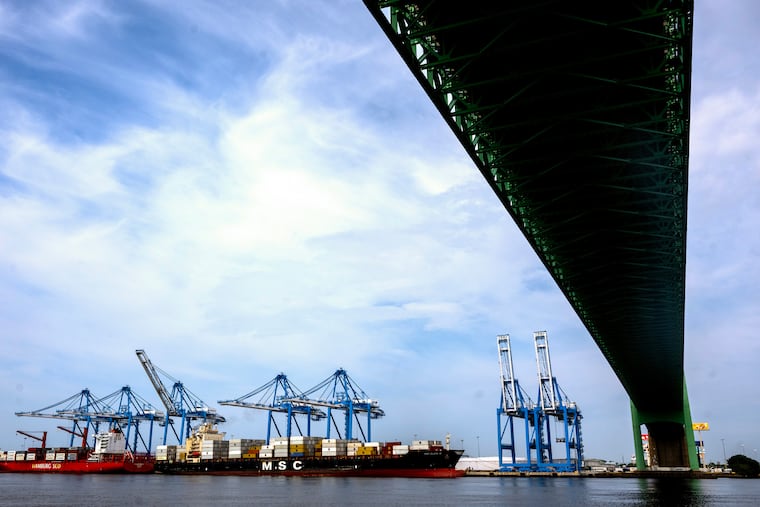
Some industries are actually suffering serious job losses, especially those on the front lines of the global trade war, including manufacturing, agriculture, transportation, and distribution. These are big industries in many parts of the South and Midwest, but not in Philadelphia.
Federal government jobs have also been hit hard by the Trump administration’s workforce cuts, which began soon after he took office a year ago. Of course, the broader Washington, D.C., area has struggled with these job losses. These positions were also important to many communities across the country, but less so in Philadelphia.
Eds and meds
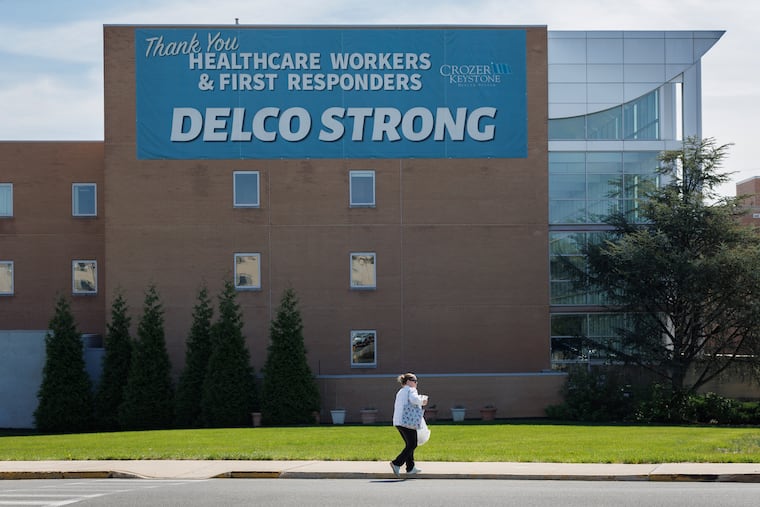
In fact, Philadelphia’s economy is fortunate to be powered by education and healthcare — eds and meds — the only industries consistently adding to payrolls nationwide. The largest employers in the region are world-class institutions of higher education and healthcare providers, including the University of Pennsylvania, Thomas Jefferson University, the Children’s Hospital of Philadelphia, and Temple University.
Employers in eds and meds are especially attractive, as demand for the services they provide is fueled by the insatiable need for highly educated workers in the age of artificial intelligence, and the inexorable aging of the population. Baby boomers have aged into their 60s and 70s and will require high-quality healthcare for years to come. And since healthcare is largely delivered in person, it is less vulnerable to losing jobs to AI.
These large institutions employ workers of all skill levels. There are highly trained physicians, nurses, and researchers, as well as middle-skilled technicians and administrators, and lesser-skilled maintenance workers. An entire economy can be built on eds and meds, and that’s Philadelphia.
The Philadelphia region also has the good fortune of being home to successful companies across a diverse range of industries. Examples include the media giant Comcast, the financial services powerhouse Vanguard, the global software company SAP, and the technology giant Siemens.
Cost of living
It isn’t cheap to live and work in Philadelphia, but it is highly affordable when compared to neighboring New York and D.C. For example, the typical-priced home in Philadelphia costs about $400,000, which is almost four times the typical household income. In D.C., houses typically cost close to $600,000, or 5.5 times income, and New York house prices exceed $1 million, or 10 times income.
I could go on, but I’m beginning to sound like a Chamber of Commerce, and Philadelphia certainly has big challenges. The nation’s universities and research centers are facing large budget cuts and heightened federal scrutiny. This is a huge shift from the financial largess from D.C. they’ve come to rely on.
Challenges and what’s ahead
Poverty and all the attendant social ills, like crime and drug use, are also long-standing problems in the city. Although the poverty rate has dipped a bit recently, close to one-fifth of the city’s residents live below the poverty line, a disturbing stat. Of the nation’s big cities, only Houston has a higher rate.
The high poverty rate is the result of a complicated brew of factors, but the severe shortage of rental housing for lower- and middle-income residents is one of them. Putting up more homes is a priority for the city’s mayor, and with good reason.
The city’s high wage tax remains a barrier to even stronger growth. It is encouraging that it has declined since peaking more than 40 years ago, but it remains prohibitively high, hindering the city’s efforts to attract workers back into its office towers. The lower-taxed suburban Pennsylvania counties are the key beneficiaries.
It won’t be easy for Philadelphia to consistently remain among the nation’s best-performing economies. We need to support our institutions of higher education and healthcare, work to address poverty, and make it more affordable to live and work here. If we do, we have a good chance of always being in the mix. Kind of like our Eagles.