ASPIRA Inc. is battling with its charter leaders for control of three Philly schools
The dispute has potential consequences for the education of more than 2,000 students at Antonia Pantoja, Eugenio Maria de Hostos, and ASPIRA Bilingual Cyber charter schools.
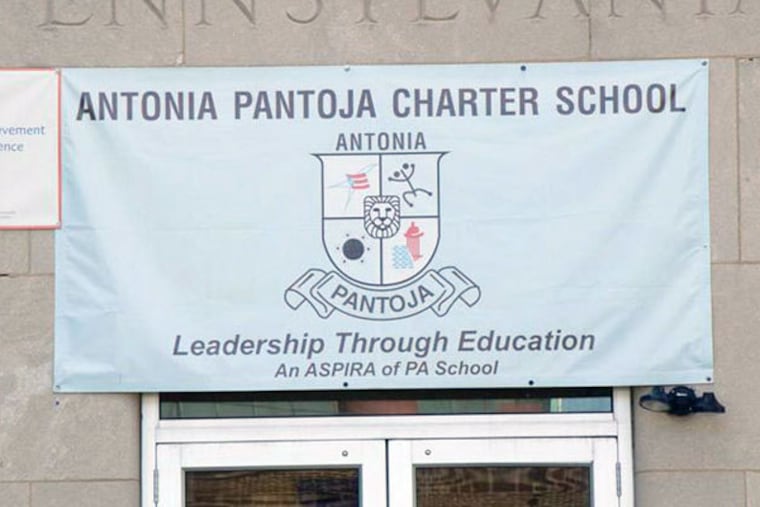
A battle over who runs and who employs staff of three well-known Philadelphia-based charter schools is emerging, with potential consequences for the education of more than 2,000 students.
More than 100 educational leaders and support staff resigned from ASPIRA Inc. of Pennsylvania last month, and are now working directly for the three charter schools it founded and manages, according to the schools, which are now trying to renegotiate their agreement with ASPIRA.
But the two sides have not resolved their differences. While a spokesperson for the schools — Antonia Pantoja Charter, Eugenio Maria de Hostos Charter, and ASPIRA Bilingual Cyber Charter — said the staffing moves were “in the best interest of the schools and community” and would not affect instruction, ASPIRA’s leader accused the schools of trying to seize control in an unwarranted power grab.
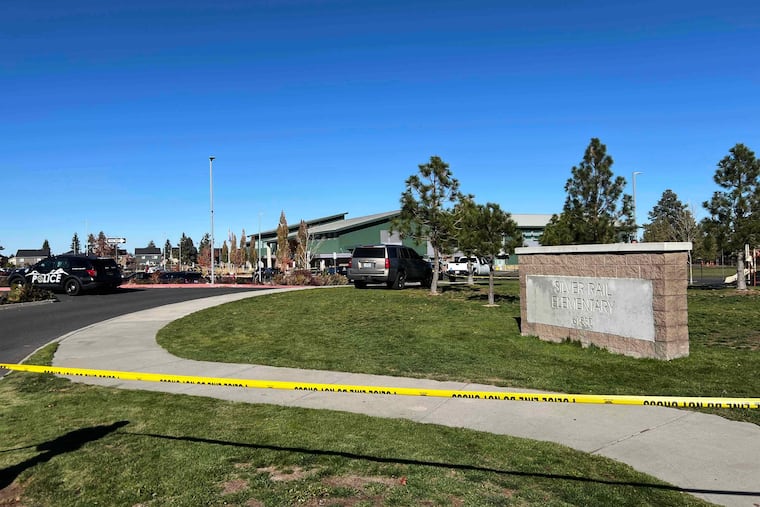
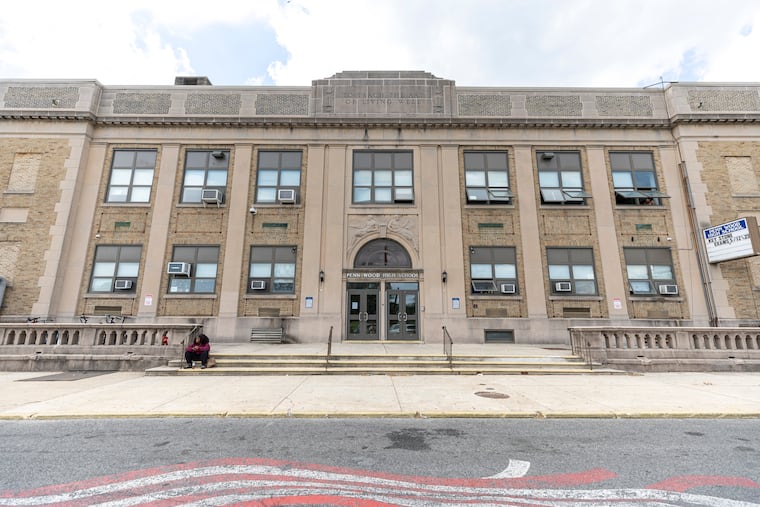
“ASPIRA owns the name. ASPIRA owns the building. … The different departments need to stick with ASPIRA Inc., because ASPIRA Inc. is the founder,” said Angel Cruz, a former state representative from Philadelphia serving as ASPIRA’s interim CEO. Cruz said the employees who left ASPIRA — 112 educational leaders and support staff — were forced to by the schools: “They were told you sign this, or you don’t have a job.”
Rachel Ezekiel-Fishbein, a spokesperson for the schools, said they never threatened to fire anyone and did not have the power to do so.
She said that the actions of ASPIRA Inc.’s governing board “have raised serious questions for the schools.”
ASPIRA is still providing maintenance, custodial, facilities, and transportation services to the schools, as well as running an after-school and pre-K program, Ezekiel-Fishbein said. While the schools all use the ASPIRA name, “we can easily change the name of the schools if necessary,” she said. “We hope not to have to do that.”
The rift between ASPIRA and the schools — which collectively enrolled more than 2,100 students last year — follows the death of ASPIRA’s longtime president and CEO, Alfredo Calderón, in April 2024.
It also comes as the organization’s footprint has shrunk in recent years. ASPIRA used to manage two additional schools, Olney High School and Stetson Middle School, which returned to the Philadelphia School District’s management in 2022-23 after a decade overseen by the organization.
The district had originally handed the schools over to ASPIRA as part of the Renaissance Schools initiative, a school-turnaround program that gave control of struggling district schools to charter operators. (Charter schools are publicly funded, but independently managed.) But the Philadelphia school board voted not to renew the two charters in 2019, citing academic and organizational problems.
ASPIRA had come under fire in 2018 from then-Pennsylvania Auditor General Eugene DePasquale for its financial practices, including significant increases in management fees paid by its charters to ASPIRA. Many charter schools have management contracts with organizations like ASPIRA; those organizations are not bound by the same public records laws governing the schools, hindering scrutiny of their finances.
ASPIRA officials at the time attributed the spike in management fees to the fact that staff had been shifted from the ASPIRA schools to the management organization.
In an interview last month, the board chair for both Eugenio Maria de Hostos and the cyber charter, Roger Zepernick, said that with ASPIRA being the employer of so many staff at the schools, there was some confusion over who was responsible for supervising them.
While the boards of the schools had been “working very directly” with ASPIRA chief academic officer Andrea Gonzalez-Kirwin, “lately there’s been some direction from the board and CEO of ASPIRA Inc. that has been in conflict with the work the school boards want to see the CAO doing,” Zepernick said. He declined to comment on the specifics of the disagreement.
Ezekiel-Fishbein said that 100% of the schools’ support staff — including counselors, instructional assistants, occupational therapists, and psychologists — chose to leave ASPIRA and work directly for the schools. That “speaks volumes about the schools’ relationship with the educational team,” she said.
Cruz, meanwhile, faulted educational leaders at the schools, saying that whistle-blowers had reported changing of grades and attendance records. He said he had been denied entry to the schools.
“They refuse to give me the clearance, because they want to take over,” Cruz said.
Ezekiel-Fishbein said the schools were not informed that Cruz was the acting CEO “until he came and announced it after the Christmas break.” She said that Cruz had “attempted to enter one of the schools with two staff members who were on administrative leave pending investigation.”
As for the accusations of record-changing, Ezekiel-Fishbein said an allegation was “mentioned once, more than a month ago, to a board member in a private meeting,” with no further information provided. “We are concerned this allegation may have been fabricated to distract from and derail the negotiations,” she said.
Officials with the Philadelphia School District are watching the situation closely.
“Collaborative and accountable relationships between charter schools and the management organizations that they work with are critically important to the stability of school environments for students,” said Peng Chao, the district’s chief of charter schools. “It is our expectation that both charter schools in this instance continue to prioritize students and their families.” (The district authorizes Antonia Pantoja and Eugenio Maria de Hostos, while ASPIRA’s third school, as a cyber charter, is authorized by the Pennsylvania Department of Education.)
Chao said that changing a charter school’s management structure “may constitute a material charter amendment” and that the district and school board “will use the policies and procedures we have in place to evaluate any request that is submitted.”
Ezekiel-Fishbein noted that while ASPIRA owns the school buildings and leases them to the schools, the schools’ boards are the holders of the charter agreements with the district and state. “Schools — not their contractors or corporations — call the shots,” she said.
The schools are “committed to negotiating amicably with ASPIRA, Inc. to continue to provide stability to the students and community we serve,” Ezekiel-Fishbein said.
Cruz said ASPIRA will “sit down and negotiate.” But, he said, “we’ve got attorneys ready to do what we have to do.”