Some Philly schools are too ‘antiquated’ to keep open, Mayor Parker says, and other takeaways from the biannual district City Council session
Council also had questions about overcrowding at Lincoln High, a vote on changes necessary for a possible new Sixers arena, district bathrooms, and the 2025-26 school calendar.
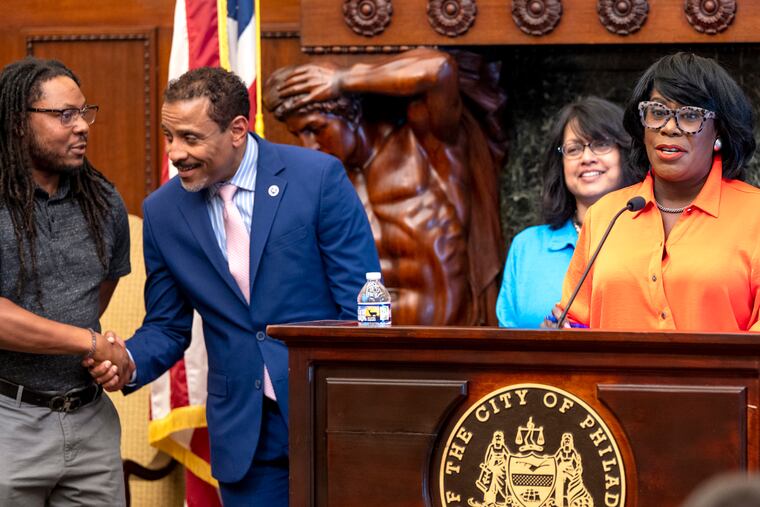
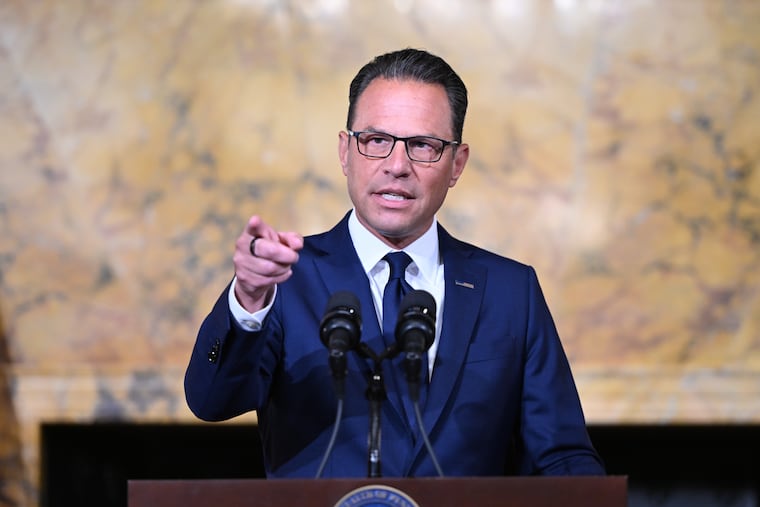
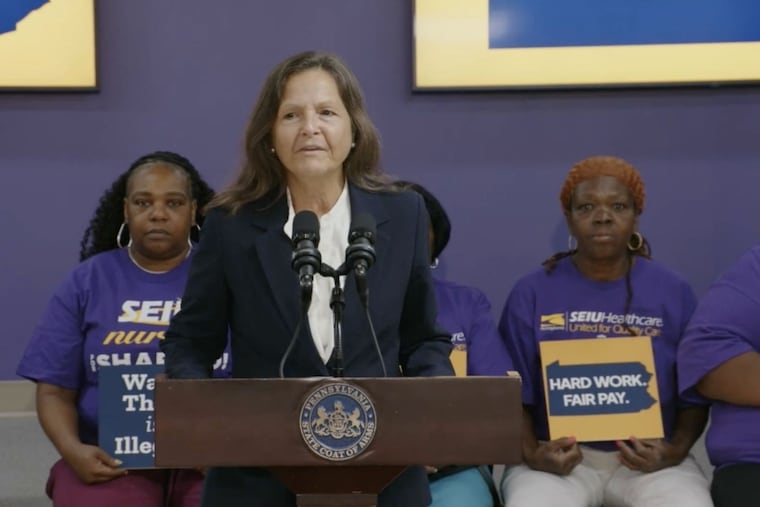
Mayor Cherelle L. Parker on Monday said the city would be actively involved in “rightsizing” the Philadelphia School District, a process now underway that will culminate next year in planned school closings and other changes.
Parker, speaking to City Council at one of the district’s biannual hearings, said she was convening an “interdisciplinary facilities planning committee” with representatives from her office, Council, and the real estate, labor, and finance industries. The committee will be charged with reviewing the district’s plan and helping envision ways to “rebuild our schools and raise the funds that we need in order to do so.”
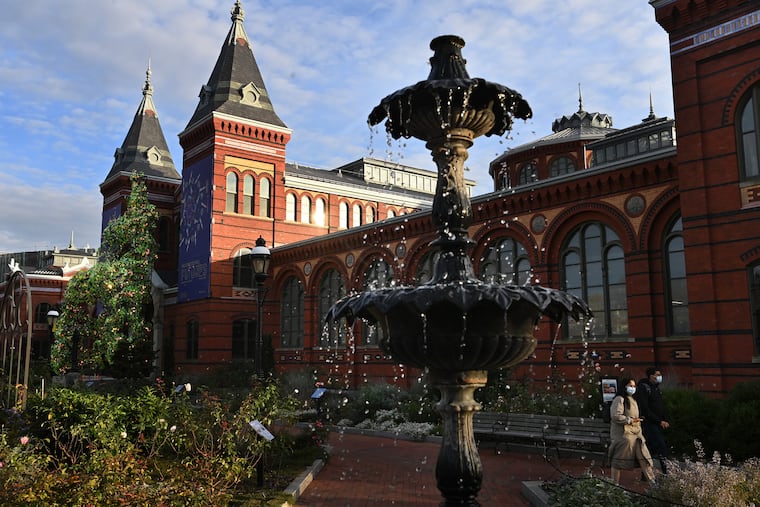
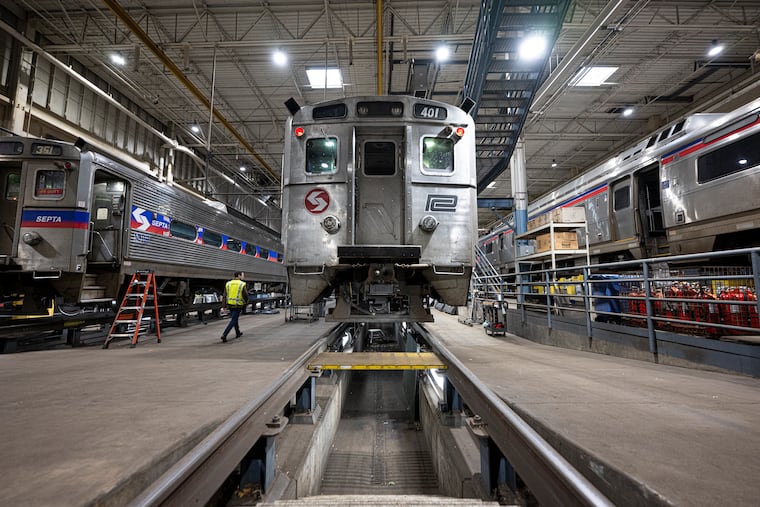
The mayor also said that “some school buildings are just so antiquated and outdated … that they are just too expensive to restore responsibly, and we can’t be afraid to say that out loud.” The oldest of the district’s 216 schools, Francis Scott Key Elementary in South Philadelphia, was built in 1889.
» READ MORE: Philly will establish a minimum school size, and other takeaways from a conversation with its superintendent
The school system currently has room for 180,000 students, but only 117,000 are enrolled. And while some schools have hundreds of empty seats, others are full or even bursting. School board President Reginald Streater and Superintendent Tony B. Watlington Sr. have said that closings, colocations, and new buildings are all likely when the planning process is complete in December 2025.
“The process is going to require some hard choices, but we have to make together those rightsizing decisions collaboratively and together,” Parker said, weighing in with more specificity than she has in the past.
Watlington, testifying before Council, said the district had “a really significant problem with underenrolled and overenrolled schools, and we’ve got to address that.”
The superintendent has said that while better managing the district’s large stock of aging buildings is a priority, so, too, is academics: In some cases, Philadelphia schools are so small they cannot offer a full complement of classes.
One aim of the facilities planning process is to put the system “in a position to offer algebra in all of our middle schools or middle grades bands. We will be in a position to offer more advanced placement or International Baccalaureate and the like in all of our high schools.”
Still, Watlington said the district would be mindful of lessons learned from its last round of closings more than a decade ago. Those closings happened quickly and were prompted by a financial crisis, but ultimately saved the district only about $24 million annually and resulted in academic losses for students.
Here are other takeaways from the hearing:
Council has concerns about Lincoln High
Council members had sharp questions for Watlington and other leaders about Lincoln High in the Northeast, a school where more than 2,500 students are crowded into a school built for 1,500 at maximum. Because of the overpopulation, students are learning in hallways and retrofitted closets, and there are significant climate issues.
Watlington said the district has hired more teachers and added a school safety officer and climate positions, and is fast-tracking hiring for those jobs. It has also stopped allowing students from outside the school’s catchment area to enroll at Lincoln.
» READ MORE: What it’s like at Philly’s Lincoln High, where overcrowding has significant consequences
Councilmember Isaiah Thomas, chair of Council’s education committee, indicated he wasn’t fully satisfied with the district’s response. He cited The Inquirer’s reporting on Lincoln and said his office has received over 300 complaints about conditions at the school, from problems with students leaving school at will to challenging conditions in six makeshift classrooms erected in the school library.
“Some of the responses that we’ve heard around Lincoln are just not where we need to be,” Thomas said.
Watlington said he and his staff would “double down” on accelerating support staff hires for Lincoln and supporting the school’s administration. He said senior staff were routinely meeting with the Lincoln community.
“Something isn’t working,” Thomas said, “because people feel like they have to sound the alarm.”
Questions about a Sixers arena vote emerged
Council President Kenyatta Johnson asked Streater about the school board’s November vote endorsing a change to a tax increment financing district that is a necessary precursor for Council to sign off on the controversial $1.3 billion 76ers arena.
» READ MORE: Philly school board OKs tax changes for a new Sixers arena over objections: board meeting takeaways
The board voted 7-2 in favor of the TIF change. Board members Wanda Novalés and ChauWing Lam voted against the action. Novalés said at the time she didn’t believe the deal benefited students enough.
Lam told Johnson on Monday that she had wanted more time to consider whether the city was getting the best possible deal.
Officials said their understanding was the district now receives about $1.07 million annually from the existing TIF; if the arena is built, it would be reduced initially to a base of $596,000, but the projection once the arena is built is that the district will receive $5.8 million more over 12 years.
With Council mulling the arena vote, Johnson said he was interested in Lam’s thoughts.
“I’m no economic development expert, but I do understand that the negotiation currently is based on what was negotiated 20 years ago in a South Philly district that is very different from the center city district,” Lam said. “I think it would be very unfair for the same arrangement to be the status quo for the developers. Overall, it’s not just arena or no arena, but it’s what terms can we, as the city of Philadelphia, say is fair for our children.”
Streater said that the board’s vote was not an endorsement or rejection of the arena, but a procedural vote on a tax change that may or may not occur.
Concerns over the state of school bathrooms
Council member Cindy Bass said she had heard a lot of concern about the state of district bathrooms — in terms of cleanliness, supplies, and whether they work at all.
Oz Hill, deputy superintendent for operations, said the district has eight plumbers and 2,000 bathrooms.
» READ MORE: Philly school bathrooms take 50 days to fix when broken. Here’s how that looks from the inside.
“That’s crazy,” an incredulous Bass said. “You will never be able to get to the need.”
Hill said that the district supplements its plumbing force with contractors, and that each school has a site-specific plan for keeping bathrooms clean and stocked.
Watlington said the bathroom issues also come from the decades of underfunding by the state.
Bass did not seem satisfied.
“I just don’t get the sense that we have a plan of attack for this action,” she said. “I understand the budgetary concerns and the constraints. But it just doesn’t seem like we have a real plan that’s going to be transformative.”
No start date set for 2025-26
Thomas asked Watlington to pin down the starting date for the 2025-26 school year; no calendar has been announced.
The superintendent said that “a diverse internal and external committee” was tackling that issue now and that more than 16,000 Philadelphians have weighed in on their preferences for a calendar.
“I want to go on the record to say we don’t want school to begin before Labor Day,” Thomas said, citing concerns about hot conditions in the district’s old buildings, 58 of which still lack air-conditioning and must be closed when temperatures soar.
Officials said 13 of the 58 need completely new heating, ventilation, and air-conditioning systems, work that would cost over $295 million. Eleven of the 58 need electrical upgrades for window units, repairs that would cost $59.3 million.