Philly school board passes a preliminary $4.6B budget — with big classroom cuts
Watlington is not counting on the funds that might be generated from Mayor Cherelle L. Parker's $1-per-ride rideshare tax. Classroom cuts will be made.
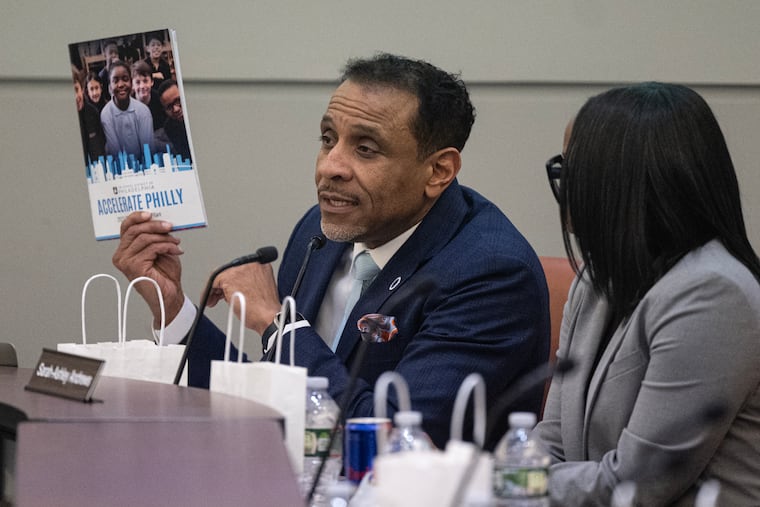
Philadelphia’s school board signed off Thursday night on the broad outlines of a $4.6 billion budget for the 2026-27 school year — a spending plan with deep cuts for schools and Superintendent Tony B. Watlington Sr.’s central office.
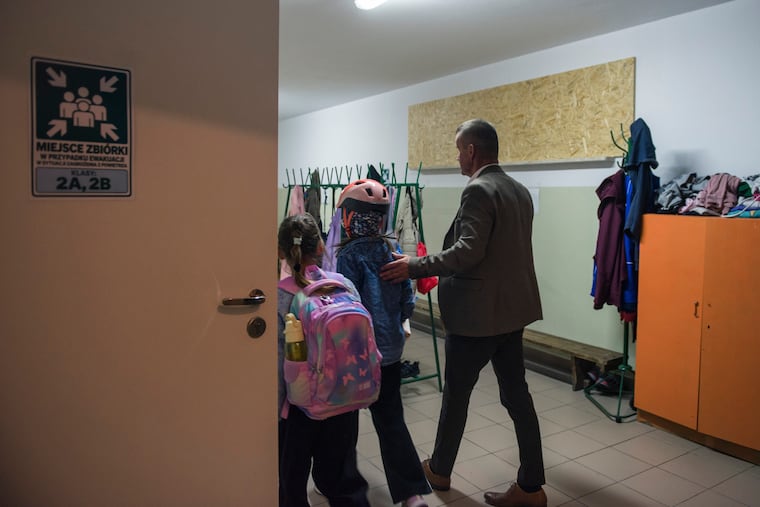
The budget represents a reckoning: the Philadelphia School District faces a $300 million structural deficit, with expenditures outpacing revenue in the only Pennsylvania school system that cannot raise its own funds. Watlington ordered austerity measures, including $56 million in classroom trims that will increase some class sizes and eliminate 340 teachers, counselors, climate staff, and other school-based personnel.
An additional $169 million will be slashed from Watlington’s central office budget, including squeezing $36 million from “low return-on-investment programs,” officials said.
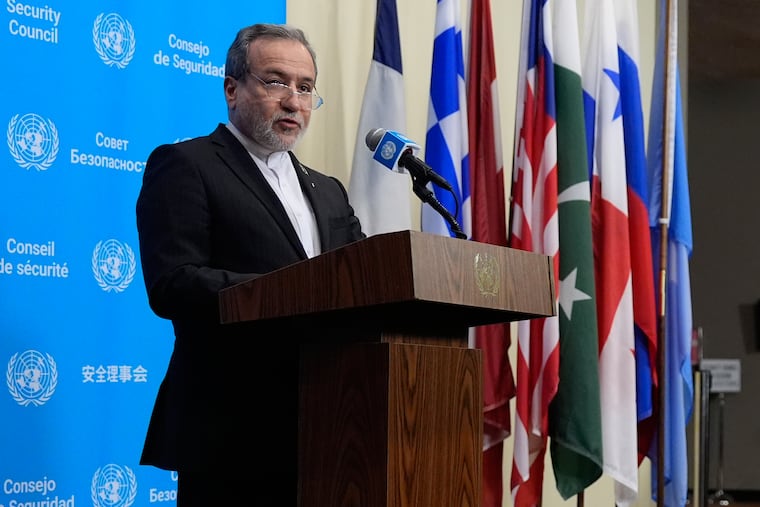
“We’ll have to make significant cuts,” Watlington said.
Rising salary, benefits, and charter-school costs are responsible for the cost increases, the superintendent said.
The squeeze “is not because of waste, it is not because we are somehow not managing the public’s tax dollars wisely,” said Watlington, pointing to the landmark 2023 Commonwealth Court ruling declaring Pennsylvania’s education-funding system unconstitutional because it does not adequately fund poor districts like Philadelphia’s.
To help fill the district’s gap, Mayor Cherelle L. Parker this week proposed a $1-per-ride tax on rideshare services like Uber and Lyft. That plan would raise about $48 million next year.
But Watlington said he would not budget based on that money; Parker’s proposal faces an uphill battle in City Council and in the court of public opinion.
Instead, principals will soon finalize their austere school budgets. And 130 teachers, 55 school climate staff, and 55 other school-based positions would be added back in June if Parker’s plan passes at the $1-per-ride level.
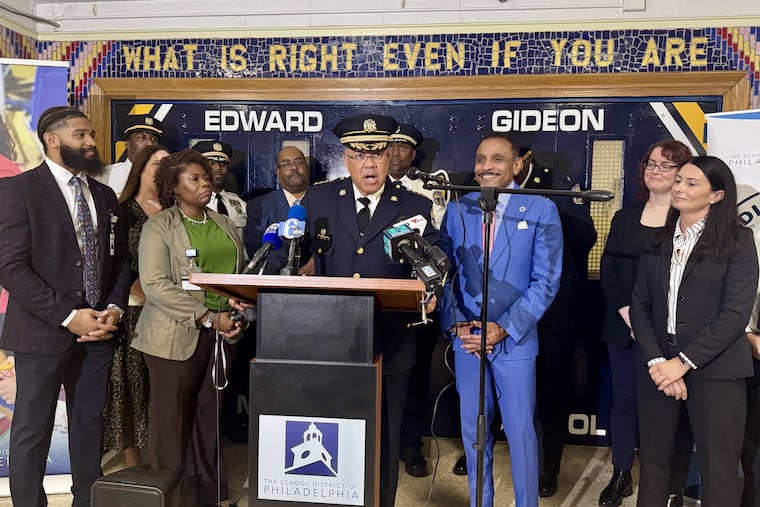
Watlington stood with Parker at a news conference Monday announcing the new tax, bringing dozens of district students with him.
But on Thursday, he said he was “agnostic” on “how additional revenues are procured, whether it’s from the Commonwealth of Pennsylvania, whether it’s from the city of Philadelphia, whether it’s through a tax, of any kind.”
But, Watlington said, “we absolutely are appreciative and in need of more revenue.”
It’s not just one year of cuts
To achieve Watlington’s goal of retiring the structural gap by 2029-30, the district would need to continue slashing its budget, cutting $40 million in each of the next several years.
Future years, though, will be less painful. In the future, “we do not anticipate similar cuts in positions,” Watlington said. “We want to do the bleed one time, in fiscal year ’26-’27.”
The deficit was no surprise. When the school board hired Watlington in 2022, he sat down with former superintendent William R. Hite Jr. and pored over the district’s finances.
“It was clear to us that the district was facing a structural deficit,” Watlington said. But federal COVID-19 relief funds staved off the pain for a few years.
In the current school year, the district took $300 million from its fund balance to prevent layoffs and classroom cuts, but officials warned that this was not a sustainable path.
Going forward, there will be no classes with 10 students, as Watlington said currently exists in some schools. The district will not be able to lower counselor-to-student ratios, or add back librarians to its meager roster of three full-time certified school librarians for a district of 113,000 students.
Board members, who unanimously passed the lump-sum budget, did express concern that making classroom cuts might affect the academic progress Philadelphia schools have made in Watlington’s tenure.
“There will be some impact, but we’re going to keep our expectations high,” said Watlington. “We’re going to have to do a little bit more, maybe a lot more, with less.”
The district’s budget process continues through the spring, with district officials called to a City Council hearing on April 22 and a board public hearing on April 23.
Final passage of the district’s budget is expected at the end of May.
A Temple partnership, no closure vote scheduled
The board, in its Thursday meeting, also passed a resolution establishing the Temple Partnership Network, which will embed university resources and personnel inside two North Philadelphia elementary schools, Bethune and Duckrey.
That partnership begins immediately and lasts through the 2027-28 school year.
The network “aims to create sustainable structures that strengthen pK-12 learning, improve educator preparation and retention, and generate knowledge that informs both local practice and the broader field of urban education,” the board resolution read.
The school board also heard from a number of speakers opposed to a plan to close 18 schools. Watlington’s $2.8 billion facilities master plan, which would also co-locate six schools and modernize 159, awaits board approval.
Board president Reginald Streater has not said when he will call the vote, though a decision is expected sometime this spring.