Parents and teachers want smaller classes and no school closures. Here’s what else they said in Philly’s facilities planning survey.
The survey, officials said was necessary before moving forward with a school-closing list. Themes from the responses will be tough for the cash-strapped School District of Philadelphia to balance.
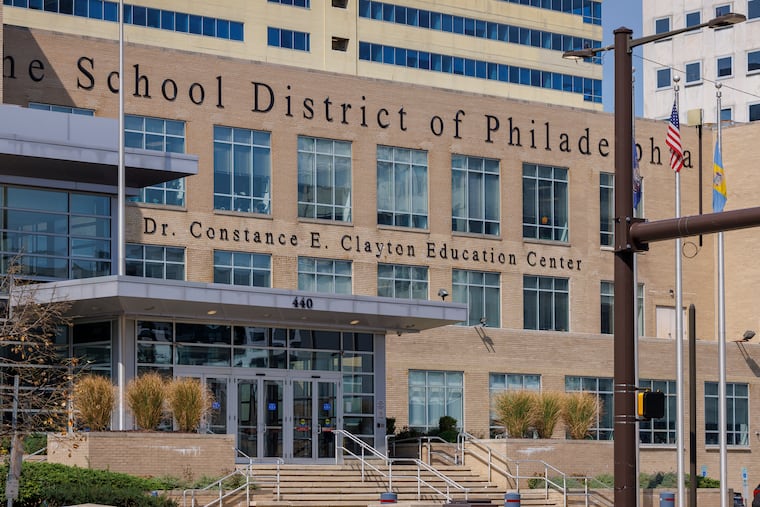
The Philadelphia School District now has the feedback officials said they needed before making decisions about school closings and reconfigurations.
The topline result: Philadelphians don’t want their local schools closed.
Some urged prioritizing small classes. Others suggested adding more magnets, like Masterman; pouring more resources into neighborhood K-8s and high schools, and modernizing facilities.
But while Superintendent Tony B. Watlington Sr. promised to use the feedback to shape the district’s plan, he and other district leaders have said school closings are a given — the district has 70,000 excess seats in schools across the district of 113,000, and dozens of buildings that are in poor shape.
That process is expected to play out this year. It initially was to have yielded decisions in December, but Watlington said his administration needed more time to analyze data and reach out to school communities before ordering sweeping changes that they say are necessary.
Watlington now says he will present a draft facilities plan sometime this winter, with more feedback and revisions to come before a board vote. The timeline for a final vote is not clear.
In an email, he thanked those who participated in the survey and other parts of the planning process. “We have, and will continue to take your feedback very seriously, as we know these will be difficult decisions that could impact many families,” he wrote, adding that there will be additional “community conversations” before the final plan goes to the board.
The district last engaged in a similar process in 2012, closing 30 schools by 2013, a hugely controversial process that officials later said did not improve academic outcomes for students or yield significant long-lasting savings for the district. Officials have said they will undertake the process more deliberately and with different aims in this incarnation.
More than 8,000 parents, teachers, students, and community members participated in Watlington’s survey, sharing their priorities for the long-awaited facilities master planning process.
Boosting neighborhood high schools, strengthening K-8s
The new survey data, released by officials as winter break began, did not yield surprises, but reiterated themes that will be tough for the cash-strapped district to balance.
Officials had previously identified four main topics that have emerged from more than a year of analyzing data and gathering feedback — strengthening K-8 schools, reinvesting in neighborhood high schools, reducing school transitions for students, and expanding access to grades 5-12 criteria-based high schools.
Survey respondents rated each of those “important” or “very important” — with reinvesting in neighborhood high schools (85%) and strengthening K-8 schools (81%) at the top of the priority list.
Overall, those who responded to the survey support their local schools, want strong schools close to where they live, and want the buildings closest to where they live to be renovated, not shut down.
Respondents raised concerns around several topics districtwide: overcrowding, inadequate staffing, school safety, insufficient supports for students with disabilities, student behavior issues, facilities quality and cleanliness, and support for libraries, recess, and extracurricular activities.
Some also expressed worries about transparency in the facilities planning process, and worries that when the district says its goal is “better use of space” it means that it will close schools.
They outlined fears about potential hardships that closing schools could create, such as longer walks to school or tough bus rides in unfamiliar or unsafe areas. And they flagged worries about merging more than one school into a single building and having large grade spans in a single building. (Though some said they relished the idea of having many grades in one spot.)
In their own words
Respondents had plenty of ideas for officials as they plan steps that will have implications for the city for years to come. Here are some excerpts from survey responses:
“I believe that we should stop closing schools and update areas so that we can utilize small class sizes. The ONLY way to accomplish meeting the needs of students, emotionally, physically, psychologically, and educationally is to have SMALL class sizes,” one person wrote.
“By closing buildings and combining schools, some children will have to walk an additional distance, most likely making them late or just deciding on certain days that the travel distance is just not worth it,” another respondent said.
“We need new high schools, middle schools, especially with vocational training. Current year textbooks, technology, air-conditioning, and programs for Tech and Art,” said another writer.
“Many [Philadelphia high schools] currently lack basic college-preparatory opportunities — few or no Honors or AP courses, limited world languages, and minimal enrichment options. This pushes academically motivated students into magnet schools, leaving neighborhood schools underenrolled and concentrated with students who have the highest support needs,” wrote one commenter.
“More schools like Masterman will prevent families from leaving the city if their child cannot get in through the lottery. It is beneficial to Philadelphia as a whole to keep these parents/families in the city instead of fleeing to the suburbs,” wrote one person.