Temple misses enrollment projection; main campus student population slides again
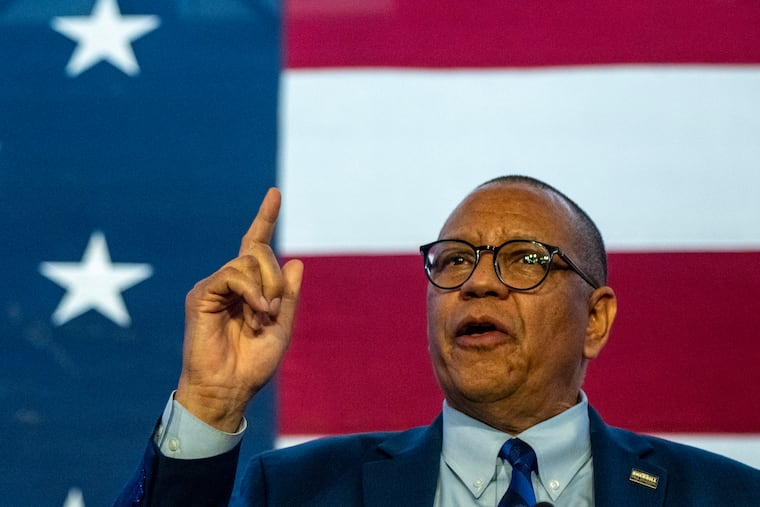
Temple fell short about 700 students of its projection, which translates to $10 million in lost revenue that the school will look to make up, President John Fry said.
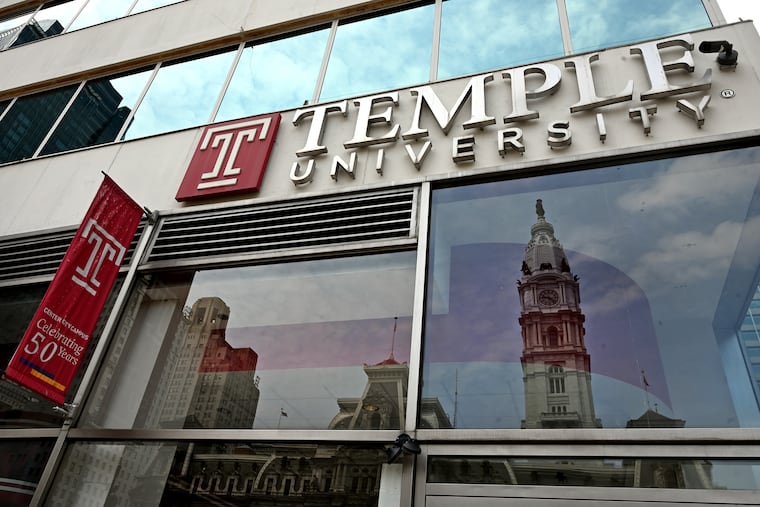
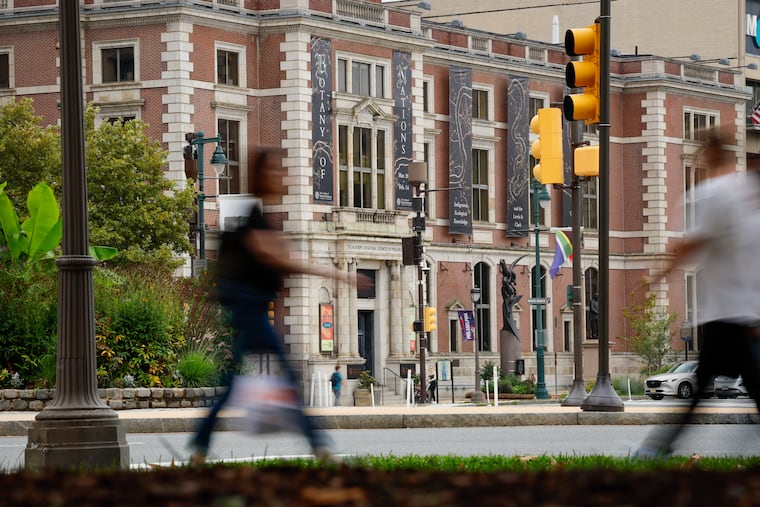
Temple University’s main campus fell about 700 students short of its enrollment projection, which translates to about $10 million in lost revenue, President John Fry said Friday.
The university had been estimating it would enroll a total of 30,100 to 30,300 students, which would have been its first enrollment increase since 2017.
But instead enrollment fell below 30,000, further declining from its high of more than 40,000 eight years ago. (That does not include enrollment on its Japan and Rome campuses, which increased and contributed to Temple’s overall enrollment of over 33,000, a slight increase from last year.)
» READ MORE: As Temple projects its first enrollment increase since 2017, board approves tuition hike
Temple’s enrollment on its campuses excluding Rome and Japan stands at 29,503 this year, down about 500 from last year.
First-year enrollment came in at 5,379, up about 9% from last year and the largest freshman class in the school’s history. But there was “a significant decline” in transfer students and a decrease in nondegree seeking students and sophomore retention, he said in his message. A higher percentage of third- and fourth-year students also chose not to return, which Fry called “very concerning” in addressing the board of trustees at a meeting last week.
It’s “something we’re really digging into,” Fry told the board.
» READ MORE: Temple lays off 50 employees to cope with budget crunch
The enrollment decline will add to Temple’s already projected $27 million budget deficit this year. The university laid off about 50 employees in July to get the deficit to that number.
The new shortfall will mean more cutbacks, Fry told trustees.
“It is something we will need to solve for this fiscal year with additional expense reductions,” he told trustees.
“This is obviously not something that we take lightly, and it does serve as a full affirmation for the important work that we are pursuing around student success and retention.”
Fry addressed the enrollment drop as part of a larger campus message, touching on topics including the university compact that proposed by President Donald Trump’s administration, the strategic plan, and new members on the board of trustees.
» READ MORE: Penn rejects Trump compact offered to colleges
Temple was not among nine universities that initially received the compact, which proposes preferential consideration for federal funding if the universities follow a set of operational principles set out by Trump’s administration. But the compact has been extended to all universities, according to Bloomberg News. (The University of Pennsylvania, which was among the nine, said Thursday that it would not sign the compact.)
“Its ramifications would be deeply consequential for higher education,” Fry said, noting that a campus advisory group is reviewing the compact and will provide analysis.
He also addressed the delay in the passage of a new state budget.
“We already are seeing many students feel the effects of delays in the disbursement of funds through the PA State Grant Program,” he said.
Joining the trustee board are Ellen Cooper, ‘85, chairman, president and chief executive officer at Lincoln Financial; James “Jim” Schultz, ‘95, executive vice president of Global Legal and Public Policy at Scientific Games; and Stanley “Stan” Middleman, ’76, founder, president and CEO of Freedom Mortgage and vice chairman of the Philadelphia Phillies.