Wallingford-Swarthmore is facing a $2.6 million deficit. Officials blame a ‘spending problem.’
Officials in the Delaware County school district say increased staffing costs, subpar inventory management, and costly building repairs have coincided with a shrinking tax revenue base.
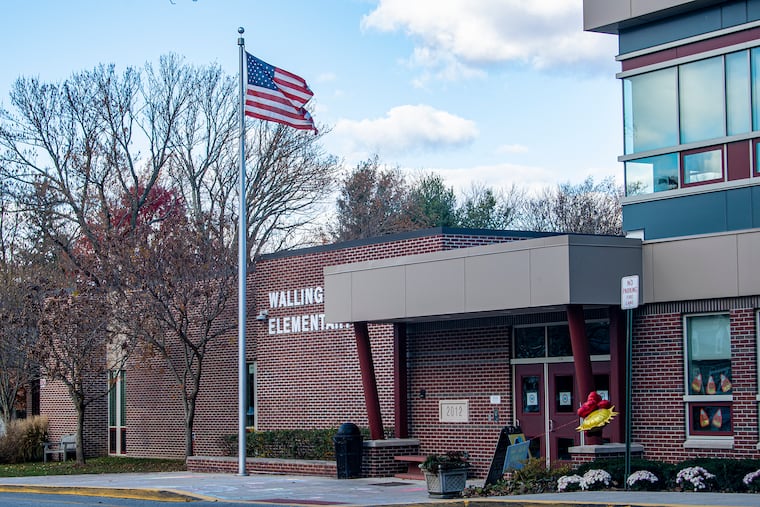
The Wallingford-Swarthmore School District is headed for a $2.6 million budget deficit, district officials said during a presentation on Tuesday night.
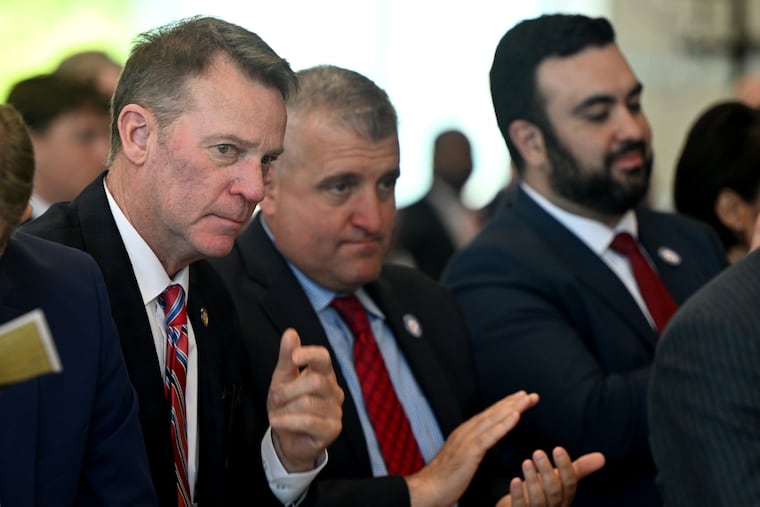
At a meeting of the district’s finance committee on Nov. 18, Superintendent Russell Johnston and business administrator DeJuana Mosley presented a dire picture of the school district’s finances. Increased staffing costs, subpar inventory management, and costly building repairs have coincided with a shrinking revenue base in the district, officials said. Without implementing a “cultural shift” around spending, Mosley said, the district is staring down major fiscal problems for the 2027-28 school year.
“Bottom line, the district has a spending problem,” Mosley said.
Why is Wallingford-Swarthmore facing a budget deficit?
District administrators say Wallingford-Swarthmore‘s fiscal issues are largely related to runaway spending and insufficient recordkeeping.
The school district’s budget has increased by 18%, or around $16 million, over the last five years. Administrators said the district has had to pour resources into its security, nursing staff, and costly building repairs that had been put off for years. On top of that, Mosey outlined a lack of inventory management, describing a culture across the district of “just ordering stuff.”
Johnston was hired earlier this year to replace former Superintendent Wagner Marseille. The school district parted ways with Marseilles in 2024 amid mounting criticism of his management style and spending decisions.
The district’s unsustainable spending has been set to the backdrop of a decreasing tax base, officials said. The 2025 taxable assessed value in the school district is $2.6 billion, a $5.8 million decrease from 2024. The decrease resulted in a $174,000 loss in revenue.
School districts in Pennsylvania are limited by the Act 1 Index, a formula used to determine the maximum tax increase a district can levy (without voter approval). The index is calculated using the statewide change in wages, the nationwide change in school employee compensation costs, and an individual district’s relative wealth. Wallingford-Swarthmore’s 2026-27 Act 1 Index is 3.5%.
Unlike neighboring school districts like Rose Tree Media, which has seen continued population increases and new construction, Wallingford-Swarthmore is small and almost entirely residential. Limited construction and growth leaves few opportunities to increase the district’s tax base.
Around 20% of the district’s revenue comes from state and federal subsidies. Mosey said poor recordkeeping had impacted state subsidy and grant revenue (the issue has since been cleaned up, she added).
How is the district planning to balance the budget?
If no changes are made, the school district is set to be short about $2.6 million for the 2027-28 school year. Mosley recommended the district cut the budget by double that amount ($5.2 million).
“I know it’s alarming and it’s aggressive and it’s a lot,” she said. “We’re trying to change the trajectory of what we’re doing.”
Johnston said the district should look at cost savings that are “furthest away from the classroom,” citing examples like professional development and travel for staff, a reduction of the size of the district’s capital plan, and a review of “potential redundancies in services and staffing.” He also suggested evaluating which services the district is required to provide and which are optional.
“I almost have to take a deep breath when I say this out loud, but kindergarten transportation is not required,” he said, offering cutting buses for kindergartners as an example.
Johnston emphasized that he was not making a suggestion to cut kindergarten transportation from the get-go, but was offering it as an example of an optional service the district provides.
What happens next?
The district has to present a 2027-28 budget draft by June of next year. Johnston and Mosley said they were deliberately bringing the budget process to the public months in advance to allow for ample conversations with teachers, staff, parents, and the school board.
In early December, Johnston will host optional community forums with school faculty and the community. The school board’s finance committee will present a potential budget reallocation strategy at its Dec. 16 meeting. On Dec. 22, the board is set to vote on its reallocation expectations.

Inquirer Greater Media
This suburban content is produced with support from the Leslie Miller and Richard Worley Foundation and The Lenfest Institute for Journalism. Editorial content is created independently of the project donors. Gifts to support The Inquirer’s high-impact journalism can be made at inquirer.com/donate. A list of Lenfest Institute donors can be found at lenfestinstitute.org/supporters.