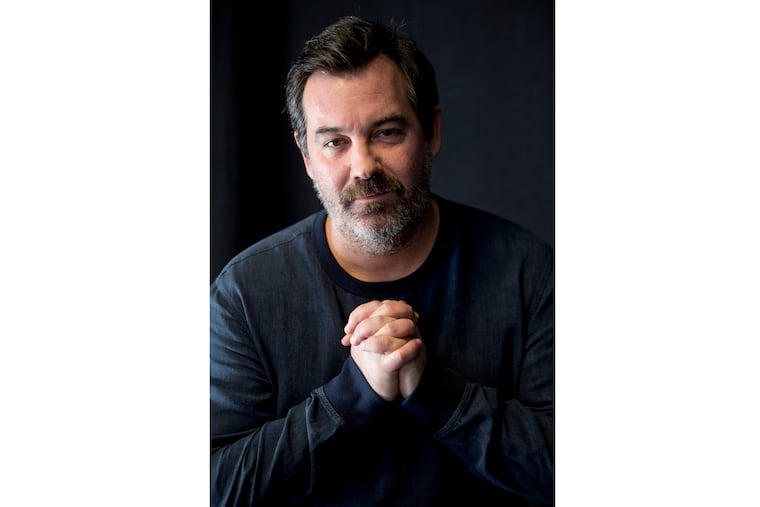
Actor Anthony Lawton on his one-man ‘Christmas Carol’ and how he relates to Scrooge
The actor explains the memories he drew on to create the performance, the Philly-themed asides he slips into Dickens’ timeless tale, and the personal connection he feels with Ebenezer Scrooge.
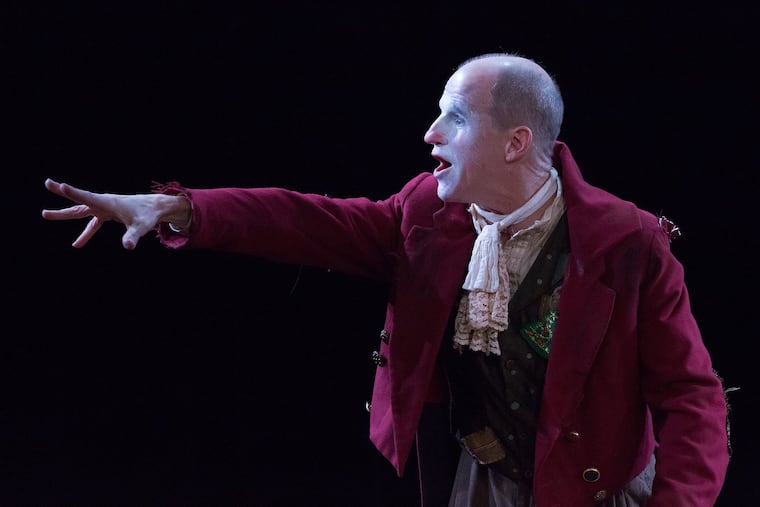
In 2018, at the very first rehearsal for his one-man performance of A Christmas Carol, Anthony Lawton received a simple direction: Put down the book.
Instead of diving directly into the pages of the classic tale, set and light designer Thom Weaver urged the veteran actor to plumb his childhood memories of the story of the coldhearted misanthrope saved by the spirits of Christmases Past, Present, and Yet To Come. And to tell it all as if it actually happened.
The exercise shaped Lawton’s now highly-acclaimed adaptation of the holiday staple, Charles Dickens’ A Christmas Carol. Presented by Lantern Theater Company — and created in collaboration with Weaver and sound designer Christopher Colucci — the show is playing the Proscenium Theater at the Drake in Center City through Dec. 28. (Tickets to stream the show on demand are available through Jan. 2.)
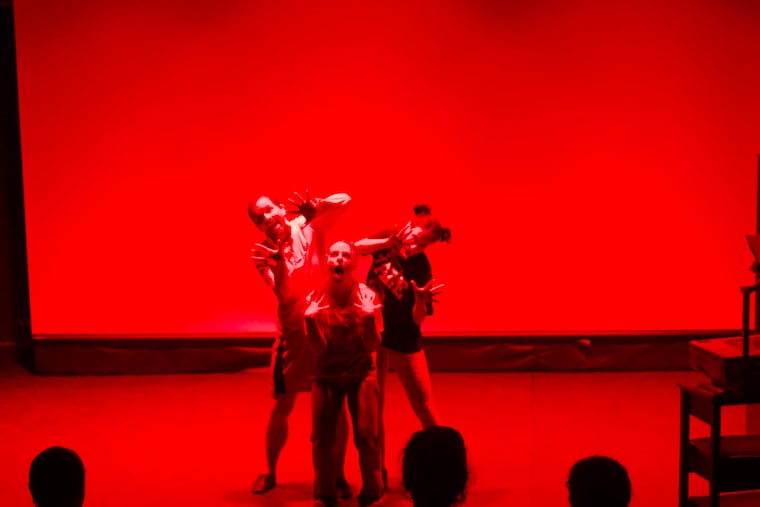
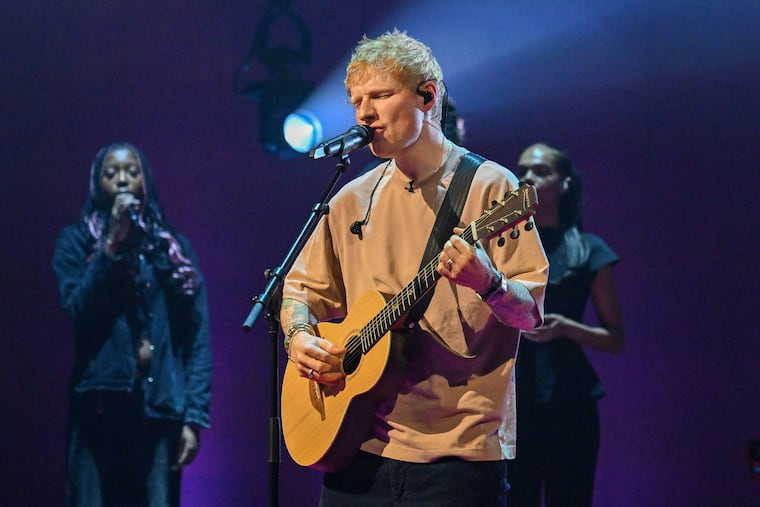
The Inquirer called Lawton’s performance a “95-minute masterpiece.” Alone on an almost-bare stage, in tattered Victorian garb, he’s transfixing, surprisingly physical, wholly embodying Dickens’ entire cast of characters, from Ebenezer Scrooge to Tiny Tim.
In this Q&A, Lawton explains the memories he drew on to create the performance — the Philly-themed asides he slips into Dickens’ timeless tale, and the personal connection he feels with the emotionally stunted, but still redeemable, Ebenezer Scrooge.
How’d you first come to “A Christmas Carol?”
When I was a kid, my family had an LP of some British actors doing a radio version of the play. Every year I would lie alone in the living room, turn off all the lights, except for the lights of the Christmas tree, and listen to this album. The images that the ensemble succeeded in creating just by sound — these fantastical images that Dickens had come up with. A giant ghost! A grim reaper!
It was a sacred ritual to me.
Thom Weaver told you to draw on your own experience of the story. What moments did you find you’d carried with you?
When Scrooge goes back and sees himself abandoned as a child and left alone at Christmas time. That shook me to the core. And then when Scrooge rounds the corner at the end of the play and decides he’s going to spend the rest of his life making up for all the people he hurt. That was also a very cathartic moment. I didn’t realize how much I had personalized those moments.
Was there anything you rediscovered in the text?
There’s a tendency to view the Cratchit Christmas as inconsequential. It often gets short shrift in a cinematic or dramatic version, but we put in a lot of detail about it. They have food insecurity. Tiny Tim is dying because he’s malnourished, but they’re able to treasure their company with each other — and to love each other. That felt like a new discovery.
The more we did it, the more real and the more sacred it felt.
I understand the first draft of your script contained lots of profanity?
Being the guy I am, almost anytime Scrooge said, “Bah Humbug,” I would use profanity. It made the story feel very authentic. Lantern said, “Hmm, I see why you want to do that, but people are going to want to bring their kids.”
What’s the hardest part of the performance?
My initial thought was, I was going to create almost entirely an auditory experience for the audience. I was going to sit in a chair and not get up. And then Thom said, “No, you gotta get up and run around, man.” The great challenge became the physical challenge.
I was tired just watching you.
I’ve never done a more grueling performance in my life. It really tests my cardiovascular.
Dickens’ performances of his work were major events in the States.
It was a real physical experience for him. It would exhaust him and may have hastened his death because he continued to do it when his health was not great because he needed the money.
But he would completely transfix and galvanize his audience. Women would faint.
Tough shoes to fill.
I want to give them everything I’ve got and leave it all on the floor.
What do you want the audience to take away?
I want the audience to get caught up in the reality of the story and get past the clichés. I want them to recognize themselves in Scrooge. I want them to be swept away and enchanted.
How do you bring them past those clichés?
We wanted to bring the story into the present day to help the audience feel that sense of joy Dickens was getting at about the season. We dovetail into a fully modern Philadelphia Christmas so the audience can see the relevance of those images in their own life. Anybody who lives in Philadelphia is going to recognize those images of the Reading Terminal, the Italian Market, Boathouse Row, [Macy’s] Dickens Christmas Village.
There’s a lot of modern relevance in Dickens’ original language, too.
Oh, yeah. The experience of a guy who is wounded in his childhood and spends the rest of his life trying to make himself bulletproof — that is a temptation that I’ve had to wrestle with my whole life.
What’s next for you and Dickens?
I’ve done a lot of student shows this year — and a lot of the story goes over their heads. I’m thinking of a new script that will be a better segue for young people into this literature they’re not used to. The idea would be to use more modern language and set the whole story in Philadelphia. So maybe Scrooge is, you know, a loan shark or runs a sweatshop.
Oh, I like this. Where do you see Scrooge living?
I guess Scrooge would probably have a condo in Center City; a penthouse, with a private elevator. The Cratchits would probably live in Grays Ferry or somewhere else in South Philly. Scrooge can take Tiny Tim to Citizens Bank Park. That kind of thing.
“Charles Dickens’ A Christmas Carol” takes place through Dec. 28 at the Proscenium Theatre at The Drake, 302 S. Hicks St. Online streaming available until Jan. 2. Tickets: $25-$30. lanterntheater.org, 215-829-0395.