A matcha shortage is threatening some of Philly’s coolest drinks
Philly cafe owners grapple with the matcha shortage
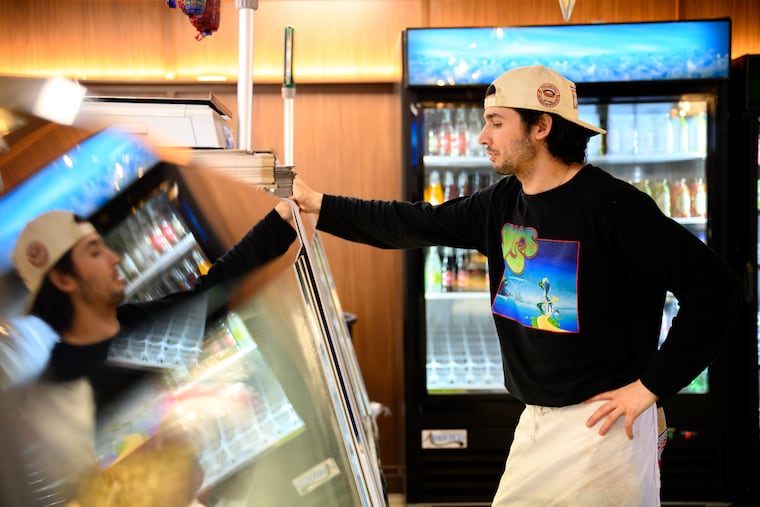
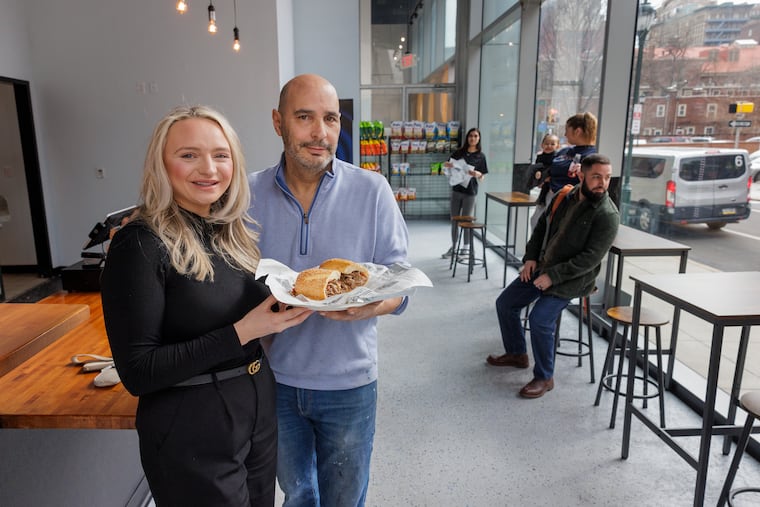
On a recent Friday afternoon at Baby’s Kusina + Market, the Filipino cafe and restaurant in Brewerytown, a large hand-lettered sign with a sad face covered the front of the cash register, warning customers: There was no more matcha. That meant no matcha lattes with coconut condensed milk.
It wasn’t the first time this had happened, said owner Raquel Villanueva Dang, and customers don’t always take it well. “People get pissed,” she said. “I apologize for not having it, and sometimes they are understanding, but some people get upset.”
Dang is currently experiencing difficulties in sourcing both matcha and ube, an ingredient even more significant to her Filipino menu. “There’s a balancing act. People finally love what we love, but by pushing it to the masses, we are straining supply chains.”
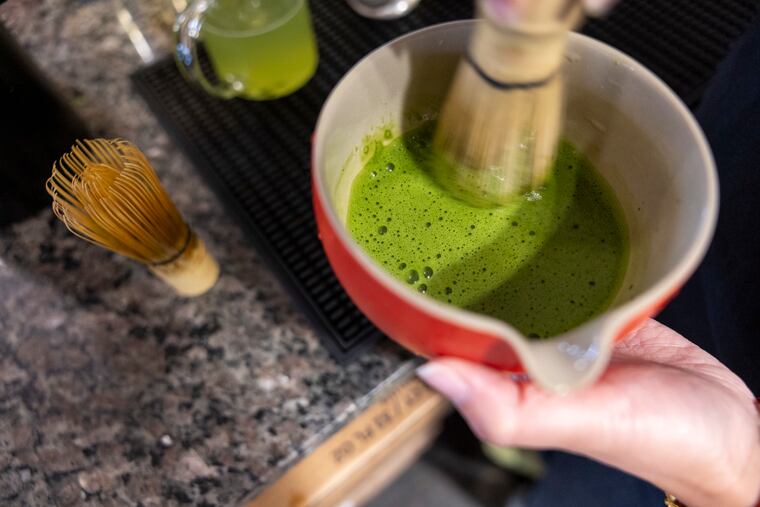
The basic matcha latte at Baby’s involves whisking four grams of matcha with room temperature water to create a paste, adding water heated to 175 degrees, whisking it further until bubbles appear, and combining it with oat milk and coconut condensed milk. They normally sell about 200 matcha based drinks per week.
Baby’s Kusina isn’t the only Philly spot that has suffered as a result of the matcha shortage that has swept the globe.
Earlier this year, Càphê Roasters, the Kensington Vietnamese cafe and coffee roaster, also ran out of matcha. “Customers were really surprised,” said owner Thu Pham. “It was surprising for them that there could be a shortage of it when they could also order matcha at Starbucks and Dunkin’ Donuts.”
Càphê Roasters is known for the Vietnamese coffee beans it roasts in house and blends into drinks like their salted brulee càphê, or coffee topped with cold, foamy salted cream and torched with brown sugar. Two Saturdays ago the cafe sold 90 coffee-based drinks. It sold 180 drinks with matcha that same day, including “Gritty matcha” or a matcha made dirty with espresso, and matcha floats made with condensed milk soft serve. The cafe has dedicated barista on staff whose sole job is to produce matcha drinks. “One of my employees joked, ‘We need to rebrand ourselves as Matcha Roasters,’” owner Thu Pham said in mock despair.
Matcha has been a staple on Càphê Roasters’ menu since it opened in 2021. “This past year, I’ve had to get supply in more regularly and I found myself scrambling to meet customers’ demands,” Pham said. At one point, the shop ran out completely. Its provider, Junbi, a Los Angeles-based matcha brand with its own cafes, prioritized supplying its own franchises over its wholesale partners.
The matcha craze is by no means limited to Asian-inflected cafes in Philly. It features on menus at Rival Bros and Thank You Thank You, too. Kensington-based Forin Cafe has seen a spike in matcha drink sales in recent years. Co-owner Kyle Horne said the shops sell about 50 to 60 matcha beverages per day across their three cafes. “Our sales of matcha have doubled,” Horne said, commenting on their sales of the tea this past year compared to 2024.
Matcha is also not just for tea drinks: It’s carefully measured and whisked into cocktails at Almanac, the companion bar to Old City’s Ogawa. It’s whipped into soft serve in at least two cafes in Chinatown, Matcha Cafe Maiko and Matcha Panda Cafe, situated within a block of one another. It’s baked into cakes at A La Mousse and Cake and Joe.
The matcha trend really took off once makers started blending it with fruit: Before this year, matcha on a cafe menu was usually whisked with warm water or simply served with foamed milk as a latte. But fruit syrups mixed into matcha now dominate at Philly’s cafes, like the banana and apricot-white peach syrups Forin mixes with matcha, or the ube and strawberry syrups you can add to iced matcha lattes at Baby’s when, of course, the matcha is in stock.
“Every single day, my percentage of new customers increases,” Pham said, repeating what her staff reports — that new customers come for the matcha drinks specifically.
Many shops, especially giant chains, offer drinks made with culinary-grade matcha. But small, independent Philly cafes serve the good stuff, sourced from small purveyors and graded either ceremonial or premium, the top two tiers of matcha. Extremely delicate and never bitter, this is unfortunately in short supply.
Matcha is technically a ground green tea — but its planting and harvesting involves far more care than the green tea one grabs by a bag and steeps in a mug. Tea farmers in Japan pamper their matcha plants, shading them from sun and carefully dissecting it at harvest time, removing the stems and veins from its leaves, which are eventually pulverized.
Even once it’s sold, matcha requires minding. It easily oxidizes when exposed to air and can’t be stored for long periods of time or it will lose its delicate aromas. It must be sifted to remove clumps, and water that is too hot can burn the leaves.
At Baby’s, Dang has been questioning if matcha has a place on their menu long-term — not because of its maintenance and cost, but because of its irregular availability and the implications of over-popularizing a precious ingredient.
“With trends, we see a mass consumption of something ethnically significant being consumed to exhaustion,” Dang said. “If you sell more, it’s great for the business, but is there another consequence of selling more that we’re not seeing?”
You might consider switching back over to coffee. Though coffee, subject to tariffs and threatened by climate change, isn’t safe, either.