Philly’s kitchen professionals endure one heat wave after another
Restaurant kitchens can run 10 or 20 degrees higher than whatever the temperature is outside, abetted by ever-hot fryers and stoves, plus wood-fired grills and ovens that hover around 500 degrees.
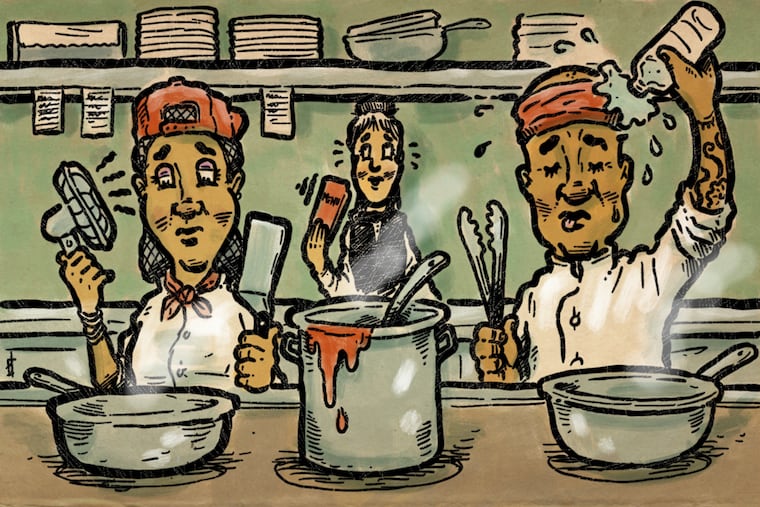
Even on 100-degree days, Philly’s chefs and cooks are still in the kitchen. For the most part, they only call it quits when the food they’re making can’t take the heat.
How do they make it through their stifling shifts? The answer comes down to preparedness, hydration, and lots of icy treats to lower body temps and boost morale.
Restaurant kitchens can easily run 10 or 20 degrees higher than whatever the temperature is outside, abetted by hot fryers and stoves, plus wood-fired grills and ovens that hover around 500 degrees.
The planning for heat waves starts long before the mercury rises. At Pizzata Pizzeria‘s South Philly location, recently added split-unit air conditioners and commercial kitchen fans have kept temperatures moderate. “They have been tremendously beneficial and helpful to our staff,” said owner Davide Lubrano Lavadera. “For our Rittenhouse spot, we didn’t have a chance to install these units, so we added an evaporative air cooler there.”
Two weeks ago, when temperatures spiked over 100 degrees three days in a row, Gilda chef-owner Brian Mattera warned customers on social media that the cafe would close if the heat tipped above 120 degrees in the kitchen — besides being uncomfortable, it would compromise the cooking. The flaky, laminated dough for Gilda’s signature pastéis de nata is notoriously temperamental, Mattera said.
“Our pastry chef, Sophia Fiorenza, is the star of the show. When she comes to me and says the temperature is one or two degrees up, she’s not being dramatic,” Mattera said. “The dough is tacky and difficult to work with. It’s unfortified and it can feel like papier mache.”
When the kitchen temperature is too high, the dough expands and falls off the sheeter, the machine that folds the dough into its many layers. “We say the dough is angry with us,” Mattera said.
Even in Gilda’s diminutive space, with just six gas burners and a flat-top, Mattera needs five separate HVAC units to maintain the perfect temperature for the dough, around 70 degrees. They weren’t enough to keep the kitchen open during early July’s heat waves: Gilda’s crew called it a day when the temperature behind the line reached 137 degrees.
When the heat’s that intense, Mattera has a trick. “I’ll get a deli container of ice water, bring it into the bathroom, pour it over my head, and go back on the line.”
Chefs in nontraditional kitchens also battle the heat. Josh Broder owns Root to Fruit, a vegan meal-delivery service that operates out of the Culinary Collective commissary space in the Bridesburg neighborhood. “We’ve basically become professional heat dodgers. We start cooking earlier, pack our delivery bags like they’re headed to the Arctic with insulated bags and extra ice packs, and everyone’s usually carrying a water bottle in one hand and a spatula in the other,” he said.
Shiho Utsonomiya, the chef operator of Haha’s Kitchen, rarely closes the tiny food cart she has operated at the corner of Seventh and Spring Garden Streets since 2018. But she was forced to break for a few days leading up to July 4 this year, when the heat became unbearable. She closed the cart Wednesday for the same reason.
“It’s been getting hotter every year,” she said. “Winter, I don’t mind! Minus 17 degrees, no problem. But the heat just kills me.” She’s surrounded by a burner, steam tables, a fryer, and rice cooker. She’s enhanced her setup this year with a rechargeable fan with a mister.
Utsonomiya’s location has a significant benefit: free ice from her best customer. United Refrigeration’s offices are nearby and her cart is popular with their workers.
Extreme heat also prompted Little Walter’s — where the wood-fired grill casts off 120-degree heat, according to chef-owner Michael Brenfleck — to close in early July. Brenfleck said reservations were light during the holiday weekend, but the same could not be said of the following Friday, when the restaurant was nearly fully booked. That presents a challenge in itself: The busier the restaurant, the hotter it is inside.
“Every person’s body radiates a certain number of BTUs, both in the kitchen and in the dining room,” said Brenfleck. His solution: “We’re going to put some cold specials on the menu, like a chilled pickle soup.”
Brenfleck and Phila Lorn, the chef-owner of Sao and Mawn, were both amazed their respective staff endured the heat without complaint.
“The real ones plan for these times and problem-solve,” Lorn said. “It amazes me to see my chefs in the kitchen crushing it. They’re eating popsicles, [mopping themselves with] cold wet towels, using Gatorade powder, but I swear to you, not one complaint from the back of house.”
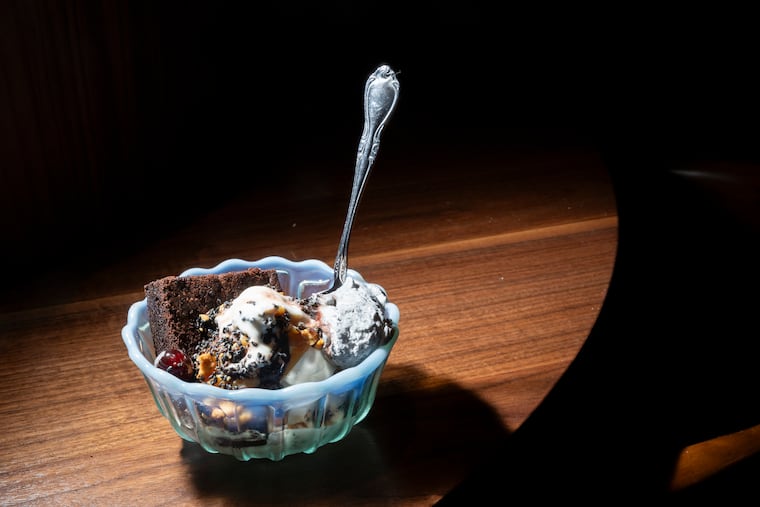
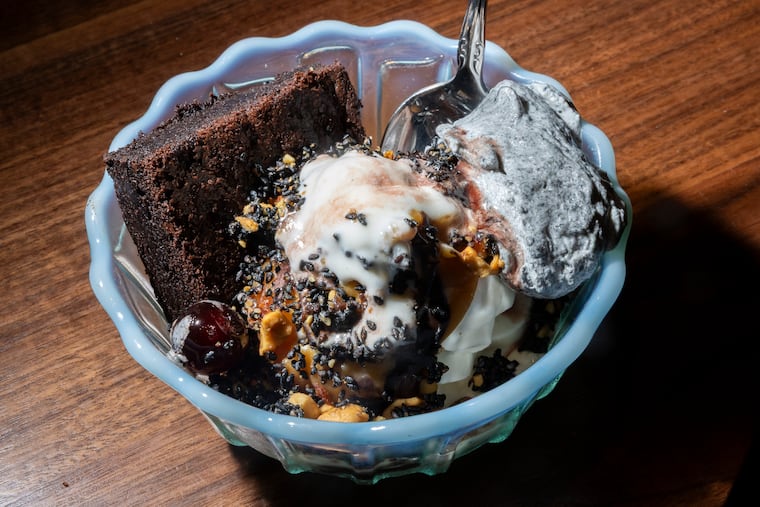
Heat waves tend to foster community among restaurants — especially when there’s an ice cream shop involved. On the hottest days, the staff at Liberty Kitchen trades boxes of tomato pie with 1-900-ICE-CREAM, according to Liberty Kitchen chef Beau Neidhardt. “They’ll give us individual cups of soft serve for our staff. It’s very neighborly.”
For many restaurant workers, it’s just part of the job.
“We aren’t doing anything that needs to be applauded,” said Mattera. “At the end of the day, we’re all professionals. This is what we do. We can handle the heat.”
Inquirer Food Festival
Get your ticket to Philly’s ultimate food party! Join top Philly chefs and bakers for one unforgettable day of food.