James Beard, 50 Best, Michelin, and so on. What do all these restaurant awards mean?
It's restaurant awards season. And you may see the same names bringing in the accolades. Is it good or a bad thing?
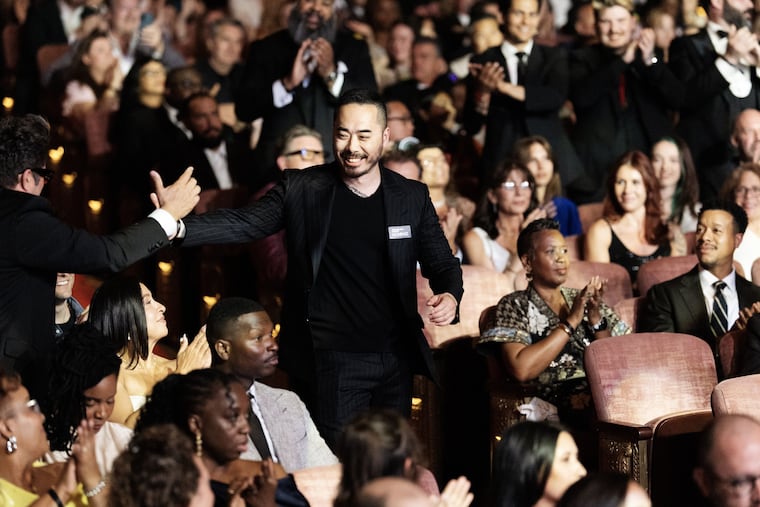
While the city’s attention may be mostly tuned to the World Cup games, we are also in the midst of another cutthroat period where only a few can be named the best.
Hearts will be broken. Medals will be hoisted in the air. It’s restaurant awards season.
Publications grant restaurants awards, with major ones being Bon Appetit, the New York Times, Food & Wine, and of course, The Inquirer’s own annual list, The 76. But none are quite as prestigious as Michelin stars, the 50 Best’s rankings, and the James Beard Foundation Awards, which were doled out in Chicago on Sunday.
(Philly took home two, including the much-coveted outstanding restaurant, a little like the best picture accolade at the Oscars).
What’s the difference between all these lists? Michelin and 50 Best are internationally renowned awards-granting institutions, whereas the James Beard Foundation is strictly American. North America’s 50 Best Restaurants list is a 2-year-old subsidiary of 50 Best, which judges restaurants from the United States, Canada, and the Caribbean. Michelin only reviews restaurants that fall into the geographic confines of its specific guide.
These awards follow different criteria (though it often seems like the same chefs are being decorated, with little variation in lineups of nominees) and operate independently of one another. Michelin is the most secretive of the three major awards, as its inspectors are anonymous Michelin employees. 50 Best and JBF draw judges from the restaurant and food media industries.
Last month, Kalaya and Friday Saturday Sunday celebrated their placements on the North America 50 Best Restaurants list. These were the hometown restaurant heroes up for national JBF awards: Kalaya for outstanding restaurant, Friday Saturday Sunday’s Lover’s Bar for best bar, and Emmett for best new restaurant. As for chefs, Fiore’s Justine MacNeil was a contender for outstanding pastry chef or baker.
MacNeil had a steep hill to climb — Washington’s Susan Bae of Moon Rabbit took home the prize, and she, like Kalaya’s Chutatip “Nok” Suntaranon, has been a darling of national and international awards. After nine nominations, Philly’s Jesse Ito finally took home the award for best chef, Mid-Atlantic.
You’d be forgiven for experiencing déjà vu from scanning this list and celebrating the recent wins of restaurants from North America’s 50 Best Restaurant, as well as those from Michelin’s inaugural Northeast Cities edition in November. It can feel like the same handful of Philadelphia chefs and restaurants receive the majority of the national attention from food media.
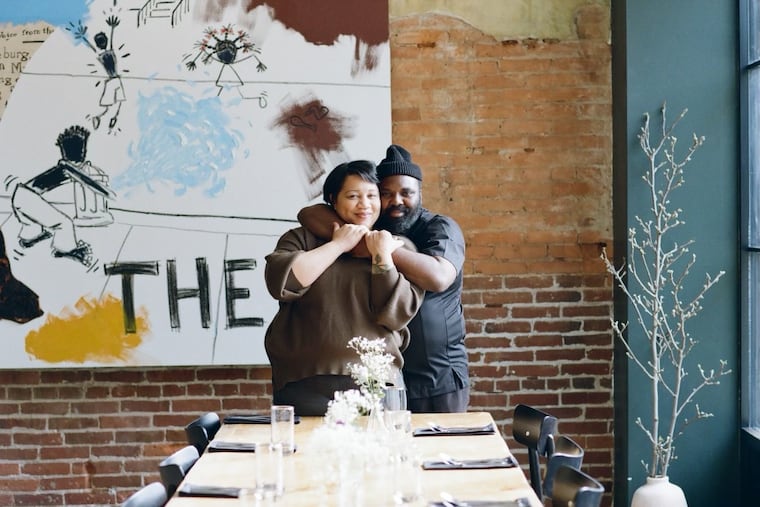
Suntaranon, Chad and Hanna Williams, and Jesse Ito are at every awards ceremony. They each have compelling narratives, making food storytelling incredibly easy.
Suntaranon and Kalaya have been on a tear, topping lists and gaining national recognition. The JBF outstanding restaurant title comes as little surprise. Until Sunday night, Jesse Ito was among the most nominated of chefs without a win in the Foundation’s history. (In comparison, Jose Garces had seven finalist nominations before winning the same award in 2009. Nobu Matsuhisa, whose eponymous restaurant won best new restaurant in 1995, was subsequently nominated for outstanding chef nine times and has not won yet).
Both Suntaranon and Ito are iconoclasts. They’re making world-class Thai and Japanese food in a city that is not known for either (Philly has seen no significant immigration from either Thailand or Japan). They’re an immigrant and the child of immigrants, excelling and winning awards at a time when anti-immigrant policies are upending the restaurant world.
And awards do matter. They can (but not always) bolster business. They bring attention to our city. And they bring other restaurateurs to Philly, weaving them into a food scene that continually becomes more diverse, interesting, and excellent.
In recent years, Philly chefs, especially the ones who have received these awards, have been part of a larger national conversation. These awards, and the communities their ceremonies foster, expand Philadelphia’s culinary borders.
To be sure, the chefs who are garnering these awards — stars, scarves, and medals — are hardly the only ones making excellent food, treating their employees decently, and sourcing ingredients that benefit our food systems. In fact, the latter has little to do with any of these awards, especially given Michelin’s retirement of its green star designation. Benefiting the food system and sourcing sustainably often has little to do with chefs being granted any of the most-coveted awards.
May this be a reminder that awards aren’t everything. But it sure is nice to win.
Disclaimer: Members of The Inquirer Food Team have been part of the James Beard Foundation Awards’ voting body.