Why ‘oak’ in wine tastes like vanilla
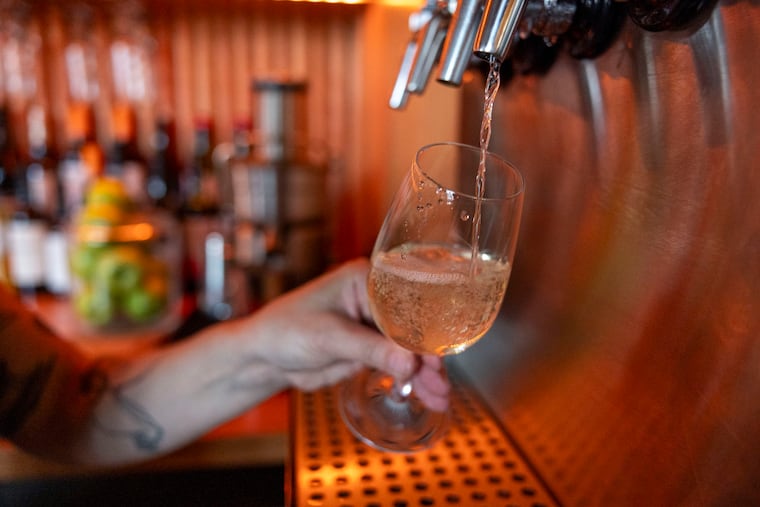
Vanilla ties together other flavors. In wine, it comes from using new oak barrels, as in this merlot from Rodney Strong, which is aged with 25% new barrels for a year and a half.
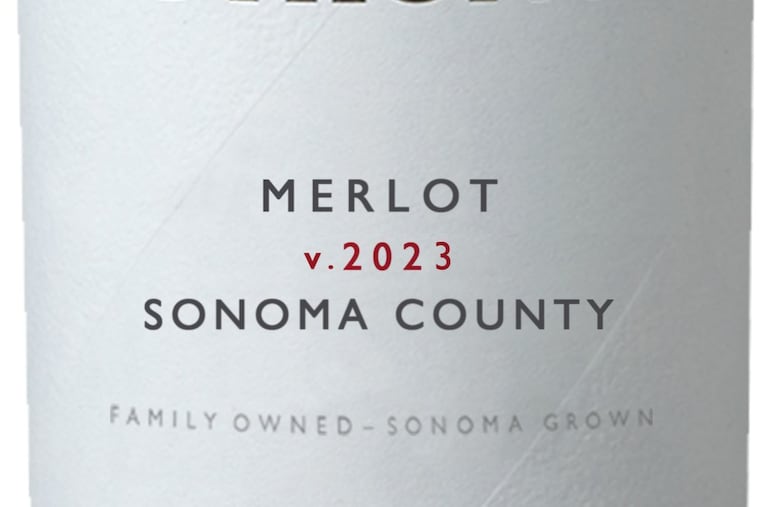
Rodney Strong Merlot
Sonoma County, Calif.
$18.99 14.5% alcohol
PLCB Item #7875
Sale price through Aug. 31; regularly $22.99
By definition, wine is made with 100% grapes, but there are non-grape flavors present in many wines. The most common of these is the one found as a subtle background presence in this soft, luscious merlot from Sonoma County: oak. The flavor of new oak is imparted into both wines and spirits by using flame-toasted barrels as vessels during their maturation phase. Since oak is not a food, it can be hard for wine drinkers to pinpoint its flavor impact but the simplest way is to think of it as the vanilla of adult beverages, both literally and figuratively.
Vanillin, the dominant aromatic compound found in vanilla beans, has a similar role in drinks as it does in desserts. Vanilla can contribute a distinct flavor of its own to a dessert. However, vanilla it’s also used in a wide range of desserts that have other primary flavors, like chocolate, cherry, or almond. This is due to vanilla’s unique talent for enriching, amplifying, and knitting together other flavors into a more harmonious whole. Vanilla beans are not the only source of vanillin, though. Some types of oak are high in lignin, a compound that can be converted to vanillin when that wood is toasted with flame, an essential step in barrel-making.
In the drinks world, only brown spirits like whiskies and cognac use the vanillin in barrels as their dominant flavor. In wine, the goal is to use just a hint of oak to enhance the dominant grape flavors, which helps explain why winemakers so often use a percentage to express the level of new oak used. This particular wine is made with 100% merlot grapes, which contribute its dark blackberry and cherry flavors, but using 100% new oak in the wine’s maturation would overwhelm those fruit flavors rather than elevating them. Here, the vintner has instead opted to age the wine for a year and a half in a mix of barrels where only 25% of the barrels are new. This process adds subtle accents of chocolate, coffee and, yes, vanilla, adding complexity to the wine’s dark fruit flavors without hogging the spotlight.
Also available at:
Kreston Wine & Spirits in Wilmington, $14.90
Canal’s in Mt. Ephraim, $14.99
Wine Warehouse in Voorhees and Mantua, $15.98