Spain is a wine-making giant. Try this underappreciated red.
Like Spain's winemakers were for decades, the Pennsylvania state store system has been slow to modernize, and therefore doesn't highlight wines like this excellent red as much as it could.
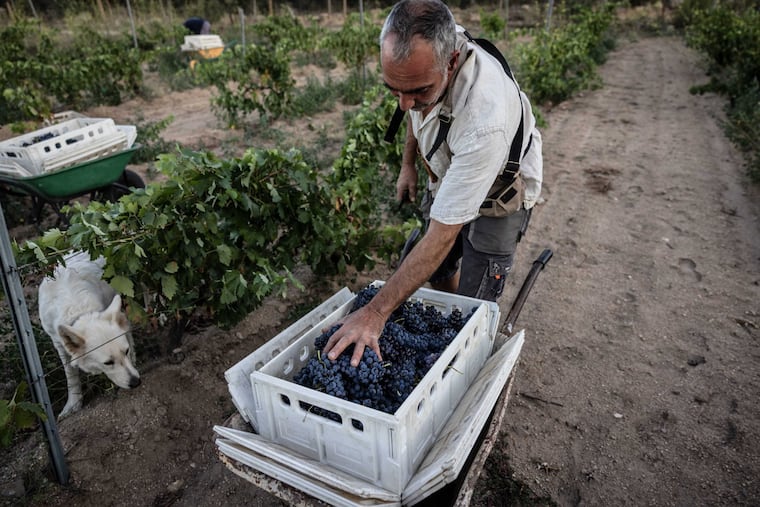
Spain is the world’s third largest wine producer, with a longer history of growing grapes and making wine than France. However, the region was slower to modernize due to its unique history, which included a teetotaling 20th century dictator who systematically forced the wine industry to churn out cheap wines rather than improve their quality during his 35-year rule. In a remarkably swift turnaround sparked by joining what is now the European Union, Spain is today making some of the most exciting world-class wines, many of which blend old-world traditions with new-world techniques to broaden their international appeal.
(Sadly, wines like this one — from one of Spain’s most respected appellations — have not been well represented in Pennsylvania wine stores, simply because the state-run system has also been slow to modernize.)
Most of Spain’s wines are red, and the vast majority are made with grapes native to their localities. The nation’s two most famous red wine appellations are Rioja and Ribera del Duero, which are both made using primarily tempranillo grapes and hail from neighboring regions. On the map, these zones appear to be separated only by a range of mountains, but their climates and cultures could not be more different, and these key factors shape the flavor of their wines.
Of the two, Rioja is better known and far better represented in our area. It is also the cooler of the two regions. Makers blend tempranillo with other grapes and have a tendency to age wines longer in barrels, often producing old-school wines that can be as delicate as French pinot noir. Ribera del Duero wines are usually denser, darker, and stronger and more often made with 100% tempranillo, as with this example. Since they are grown in warmer, drier conditions that amplify their ripeness, their winemaking is more likely to reflect modern sensibilities familiar to fans of California wines. This value-oriented example features tempranillo’s signature combination of red- and blue-fruit flavors like raspberry and blueberry. Being of the oaked “roble” style, it also features an overt gloss of new-oak aromas (think vanilla and coconut).
Cune Ribera del Duero “Roble”
Castilla y León, Spain; 14% ABV
PLCB Item #100049322 — on sale for $14.99 through Feb. 1 (regularly $17.99)
No alternate retail locations within 50 miles of Philadelphia, per Wine-Searcher.com.