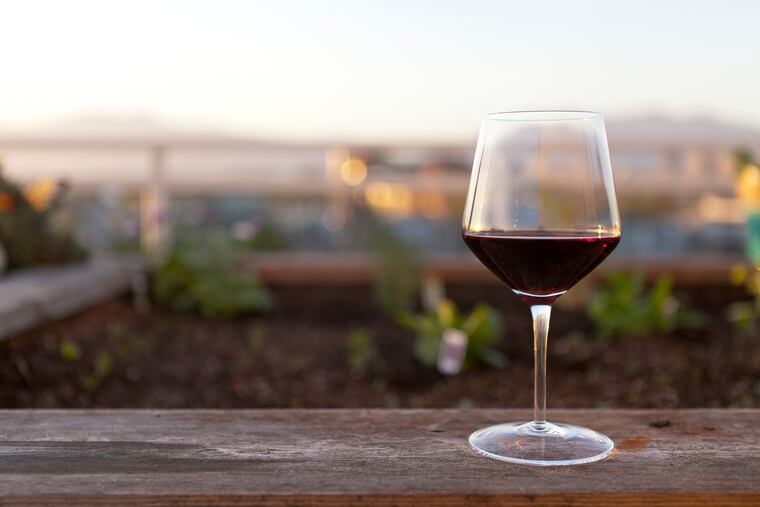
A wordplay-forward California cabernet sauvignon that’s ripe and fruity
Textbook cabernet sauvignon gets at the meaning of "varietal correctness," an expert-level wine concept that could help you navigate wine purchases more confidently.
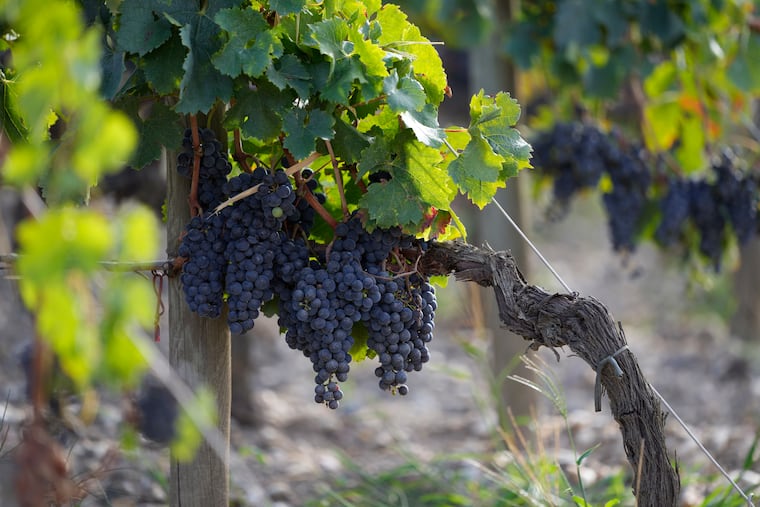
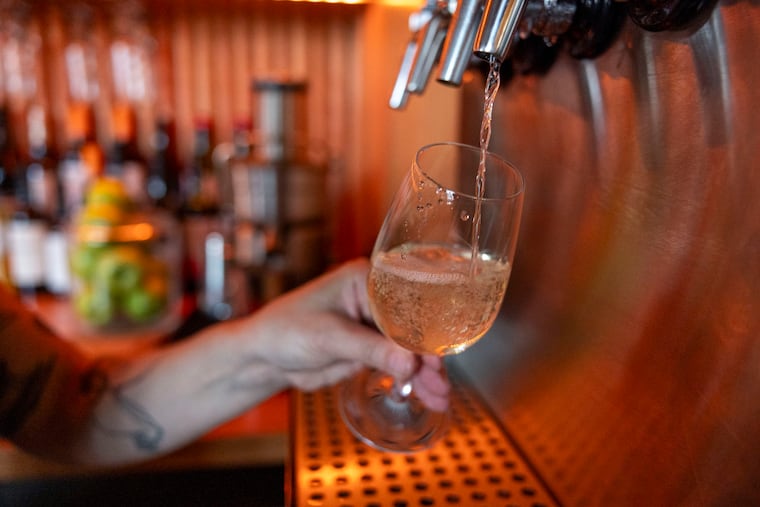
Much of the communication that takes place in the wine world is in code. Words are used that may seem to mean one thing, but actually signal another. This wine unpacks an expert-level wine concept (as its name indicates), and its lesson is quite helpful for those who’d like to be able to navigate their wine options with more confidence.
While the name Textbook cabernet sauvignon might seem innocuous, it’s a clever play on words — suggesting that this wine is a good example of the classic style associated with that particular grape. This is a reference to what experts call “varietal correctness” in wine, a concept that is rarely encountered in other corners of the food world. After all, most of the time, a tomato tastes like a tomato, a cheddar cheese like a cheddar, and so on. However, there is considerable style variance found in wines made using the same grape. Not only can they taste quite different based on where they are grown, but that flavor can also be manipulated dramatically in the winemaking process.
So what is the “correct” way for cabernet sauvignon to taste? A century ago, all wines of quality came from Europe, from regions that each grew their own native grape varieties, with cabernet sauvignon hailing from the Bordeaux region of France. So when vintners aim to produce a classically styled version of this grape, they aim for Bordeaux-style characteristics, and that is what the sly branding here conveys.
While this California wine is far riper and fruitier than a Bordeaux, thanks to the climate and terrain of the Paso Robles region, it does display a French-inspired restraint in its styling. Compared to its closest competitors, it feels a touch lighter on the palate, tastes a smidge drier on the tip of the tongue, and has a bit more of the tartness and slight bitterness found in French cabernet sauvignon. The overall effect is to give the wine a flavor profile closer to that of fresh blackberries than of baked blackberry desserts, making it quite food-friendly and especially well-suited to foods containing peppers, tomatoes, or olives.
Textbook Cabernet Sauvignon
Paso Robles, California; 13.9% ABV
PLCB Item #100034407 — on sale for $22.99 through March 1 (regularly $27.99). No alternate retail locations within 50 miles of Philadelphia.