First non-drug therapy for ADHD in children wins FDA approval
Used while the child is sleeping, the new device reduced test subject ADHD symptoms by the fourth week of a clinical trial.
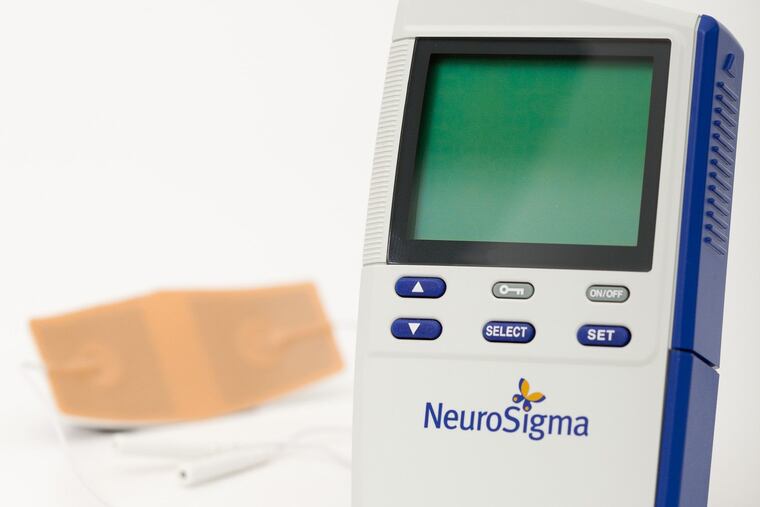
The U.S. Food and Drug Administration (FDA) has approved the first medical device to treat Attention Deficit Hyperactivity Disorder (ADHD).
The Monarch external Trigeminal Nerve Stimulation (eTNS) System is a prescription-only device intended for patients 7 to 12 years old who are not currently taking ADHD medication. The device, manufactured by NeuroSigma, a California-based life sciences company, is the first non-drug treatment for ADHD approved by the FDA.
“This new device offers a safe nondrug option for treatment of ADHD in pediatric patients through the use of mild nerve stimulation, a first of its kind,” said Carlos Peña, director of the FDA’s division of neurological and physical medicine devices.
The cell-phone-size device is intended to be used in the home under the supervision of a caregiver while the child is sleeping. It generates a low-level electrical pulse and connects by wire to a small patch that adheres to the child’s forehead. The stimulation reportedly feels like a tingling sensation on the skin.
Exactly how the device affects ADHD symptoms is not fully known, but it appears to stimulate the cranial trigeminal nerve and, according to neuroimaging study results, increases activity in the brain regions known to be significant in regulating attention, emotion, and behavior, according to a statement by the FDA.
In one clinical trial with 62 children, the FDA said the participants’ ADHD symptoms improved by the end of the fourth week of device use.
The most common side effects include drowsiness, increased appetite, trouble sleeping, teeth clenching, headache, and fatigue.
Anthony Rostain, professor of psychiatry and pediatrics with Penn’s Perelman School of Medicine, said he’d want more information before prescribing the Monarch eTNS for his patients, but some of the preliminary findings about the device are noteworthy.
“While not as powerful as stimulant medication, eTNS appears to have an effect comparable to non-stimulant medication,” Rostain said. “What is not known yet is how long it would need to be worn for sustained effect, what long-term problems might develop with continued use, and how it might work if used in conjunction with ADHD medications.”
In testing so far, the improvement diminished in the week after the stimulation was stopped, Rostain said.
In addition to the FDA approval for use with ADHD, the Monarch eTNS device is also approved for treating epilepsy and depression in the European Union and Canada, and for epilepsy in Australia, according to the company’s website.
A starter kit for the device costs about $1,000 and is not currently covered by insurance.
