2 more measles cases were confirmed in Chester County
The latest cases show measles is circulating, especially in western Chester County, health officials said.
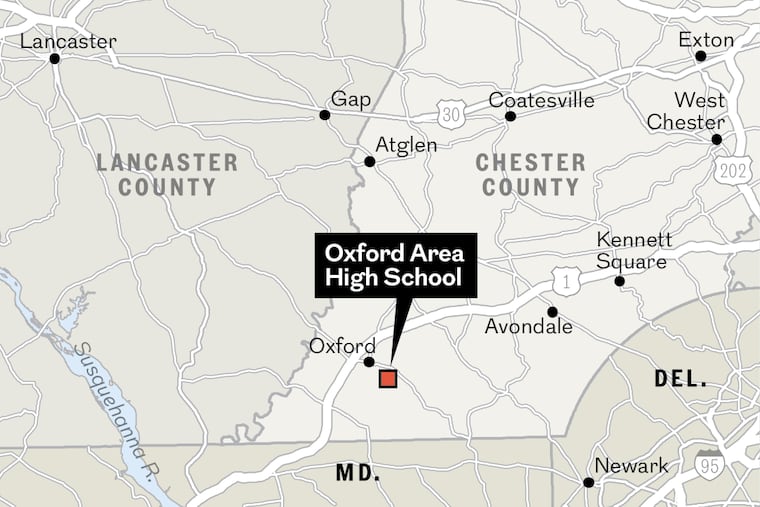
Chester County health officials confirmed two measles cases in residents this week as the highly contagious disease continues to spread in Southeastern and Central Pennsylvania.
The county has now seen four cases since late June, in addition to one case recorded this winter.
The newly reported cases bring Pennsylvania’s tally to 101 measles cases this year, more than six times the cases confirmed in 2025.
An ongoing outbreak centered in Lancaster County, where 52 residents have been sickened since April, is the state’s worst in three decades.
It’s unclear whether the cases in Chester County are connected to the Lancaster outbreak, said Nancy Sullivan, the supervisor of the disease investigation and surveillance program at the county health department.
The latest cases show the virus “is circulating in the community, particularly the western part of Chester County,” Sullivan said.
How widely the virus could spread in the Philadelphia metro area remains unpredictable. A recent Inquirer analysis found under-vaccinated pockets pose a rising risk to a region with higher overall vaccination rates.
Health department staff in Chester County, which borders Lancaster County, have sought to contain the outbreak by conducting contact tracing for months.
But it can be tricky to link patients through their contacts to other confirmed cases.
“It’s difficult for some individuals to establish who they’ve been in contact with. Sometimes they’re unsure,” Sullivan said.
All of the patients infected in Chester County were either unvaccinated or could not prove that they were immune to the virus, which can infect up to 90% of unvaccinated people exposed to it.
» READ MORE: What are the measles vaccination rates in your district? See how your school compares.
Chester County cases sought medical treatment
Several patients this summer have been hospitalized for serious electrolyte abnormalities and liver and kidney dysfunction, physicians in Lancaster and Dauphin Counties have reported.
Sullivan said that no Chester County residents have required hospitalization so far. All had tested positive for measles after they sought treatment at local healthcare facilities, she said.
Symptoms of measles include a fever, a cough, and a runny nose — similar to other respiratory diseases — that often emerge before patients develop a telltale rash.
But the disease has no specific treatments and can cause serious complications.
County officials had begun preparing for a potential measles outbreak about two years ago, Sullivan said, developing a new software system that made it easier for health workers to track cases and analyze data on an outbreak.
The county is also increasing outreach to residents about the importance of vaccination.
“We’re continuing to push the message of vaccination, checking immunity, speaking to your provider about your potential risk to developing measles, making sure people know where they can get vaccinated,” Sullivan said.
Countywide, 94.5% of kindergarteners were vaccinated against measles in the 2024-2025 school year, the last for which data is available. That’s just below the 95% threshold that scientists consider necessary to prevent the spread of the virus.
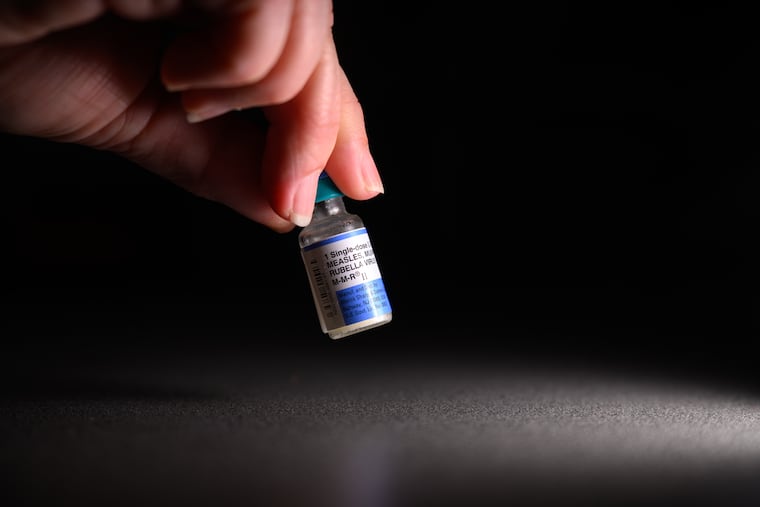
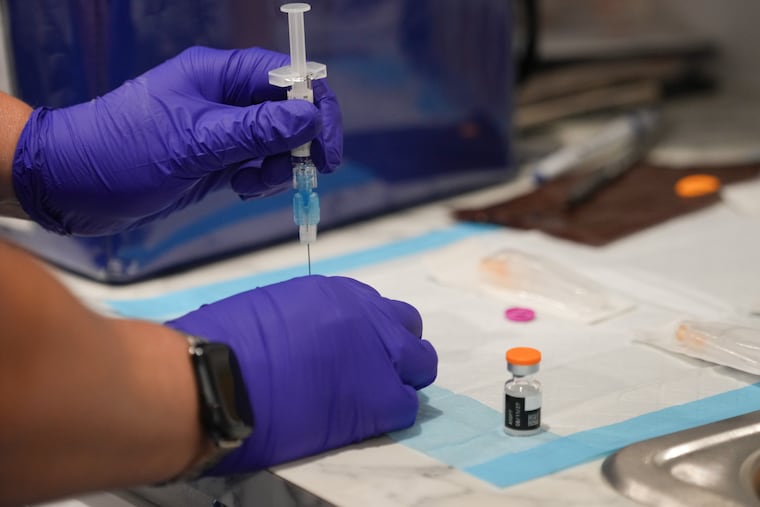
The county and state health departments have started recommending that providers offer measles, mumps, and rubella vaccinations to infants at 6 months old.

-
Your questions about Pennsylvania’s measles outbreak, answered
-
New vaccination data show hundreds of Philly-area schools vulnerable to a measles outbreak
-
Chester County has more measles cases than most entire states in the country
-
Pa. measles outbreak is nation’s worst, echoing deadly 1991 Philadelphia epidemic
Typically, children receive an MMR dose at around 1 year old and before entering kindergarten. Under the new recommendation, a “dose zero” is given at 6 months and provides additional protection before children receive two more doses of the vaccine.
Health officials in Philadelphia, to the east of Chester County, are also recommending the “dose zero” for infants whose parents plan travel to Chester County or any of the other seven counties with measles cases.