Philly health officials warn of a link between stimulants, heart disease, and overdoses
Patients with cardiovascular disease were more likely to die of an overdose involving only stimulants, the health department’s Division of Substance Use Prevention and Harm Reduction found.
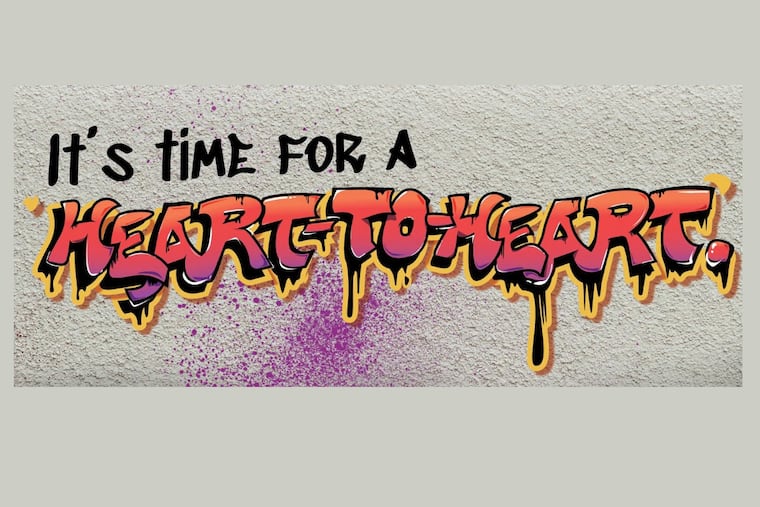
A new campaign from Philadelphia health officials warns residents about the links between using stimulants like cocaine and methamphetamine and their risk of heart disease and overdoses.
While the vast majority of overdose deaths in the city involve an opioid, usually fentanyl, stimulants were involved in 70% of overdose deaths in 2023, up from 62% in 2019.
Health officials have also identified racial disparities in stimulant-related deaths. Overdose deaths among white Philadelphians have declined in recent years, while deaths among Black residents have increased. Eighty percent of overdose deaths among Black people involved a stimulant in 2023, the latest year for which city data are available.
Patients with cardiovascular disease were more likely to die of an overdose involving only stimulants, the Philadelphia Department of Public Health’s Division of Substance Use Prevention and Harm Reduction (SUPHR) found, studying overdose deaths in the city between 2019 and 2022.
About half of the Black Philadelphians who died of an overdose between 2019 and 2022 had a history of cardiovascular disease, the analysis found, compared with a third of white and Hispanic people who died of overdoses.
“The city has been working to alleviate the overdose crisis in Philadelphia for years, but we’re seeing the crisis change as it affects more Black and brown Philadelphians,” Palak Raval-Nelson, Philadelphia’s health commissioner, said in a statement.
» READ MORE: A new, potent street drug is causing severe withdrawal symptoms
Called “Heart-to-Heart,” the new awareness campaign targets 10 zip codes in North, Southwest, and West Philadelphia where rates of stimulant-related overdose deaths were highest in 2023 with social media posts and ads at SEPTA stations, corner stores, bars, and other neighborhood businesses.
A website offers information on the connection between stimulant use and heart disease, as well as links to walk-in primary care clinics and tips on how patients can speak to their doctors about stimulant use and heart disease.
While the city has long promoted opioid overdose prevention methods, like distributing fentanyl testing strips and the opioid overdose rescue medication naloxone, those strategies might not be enough to prevent stimulant overdoses, Daniel Teixeira da Silva, SUPHR’s director, said in a statement.
“It’s important that we give people actionable steps, along with warnings about risks. We want to empower people to protect their health and give them the tools to do it,” he said.